-
World at their Feet: The World Cup and History

By Tom Smith (@TomEtesonSmith) For any football fan, and even for many who don’t usually indulge in the ‘beautiful game’, the arrival of the World Cup every four years provides pure escapism. Even in England, the disappointment of a predictable penalty shoot-out defeat is assuaged by the tournament’s association with long hot summer days, the colours…
-
Constructing an archive: a reflection on British Library collections
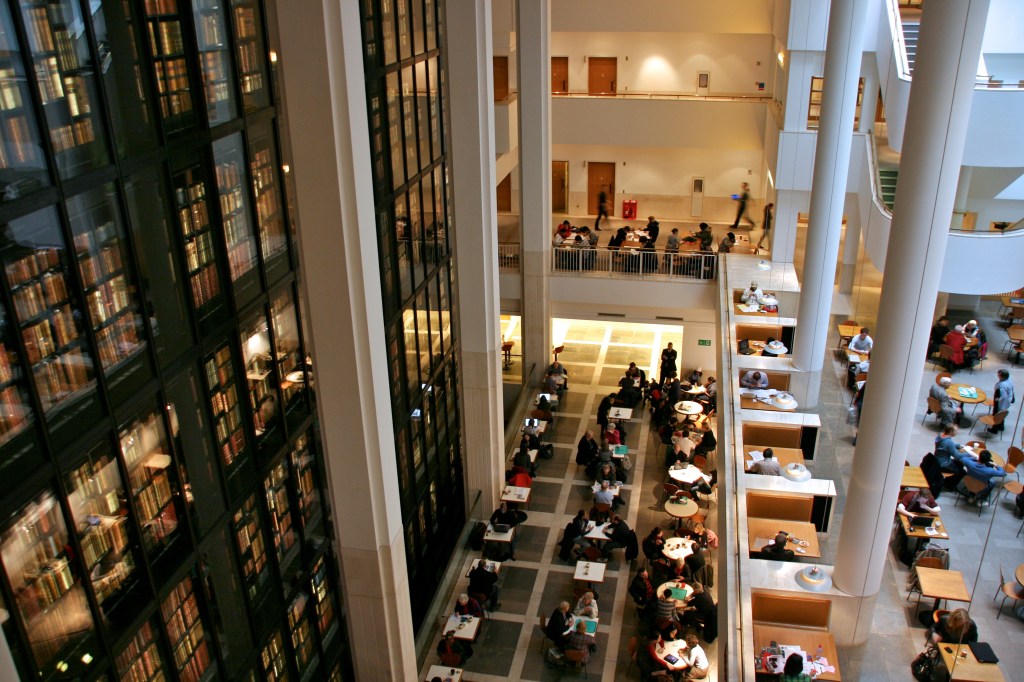
By Mobeen Hussain (@amhuss27) As historians, we are often used to thinking about an archive as a fixed set of documents kept in a static physical location. An appropriate historical source is often considered as such only if it can be verified by ‘real’ material from a ‘real’ archive.[1] Yet, archives mean different things to different researchers.…
-
History, policy, and religion: a conversation

Tom Smith and Helen Sunderland (Doing History in Public) talk to Judd Birdsall, Managing Director of the Cambridge Institute on Religion & International Studies based at Clare College, Cambridge Doing History in Public: Hi Judd. Could you tell us a bit more about CIRIS and its work? Judd Birdsall (CIRIS): The Cambridge Institute on Religion &…
-
Theatre History: Out of the Archives and Onto the Stage
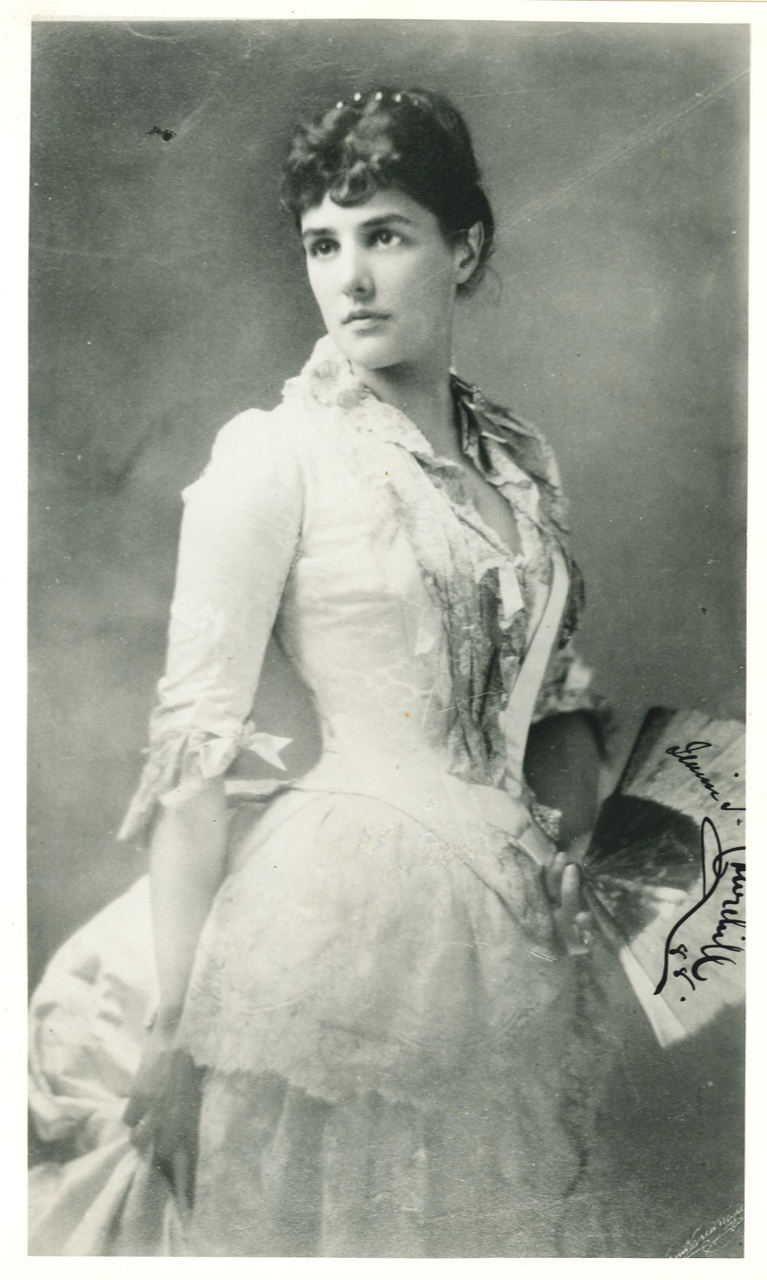
by Holly Dayton | hollyedayton@gmail.com Few people know that Lady Randolph Churchill, Winston’s American mother, was a playwright. If they happen to know of her, they only know her as the mother of Winston Churchill. Yet she wrote three plays over the course of her life: His Borrowed Plumes (1909), The Bill (1913), and Between the…
-
The Grand (Archival) Tour

By Zoe Farrell (@zoeffarrell) One of the many advantages of being a historian who studies other countries is the ample opportunities for travel. My work focuses on artisans and material culture in sixteenth-century Verona, and I have therefore spent a lot of time in Veronese archives. However, I am also interested in how Renaissance culture travelled,…

 doinghistoryinpublic.org