-
Public History at the Cambridge Festival of Ideas

Cambridge PhD students Bethan Johnson and George Severs (@GeorgeSevers10) talk to Doing History in Public about their recent Festival of Ideas panel Forms of Extreme Protest in the Post-War West. Can you tell us a bit about your research? George: My PhD researches the history of HIV/AIDS activism in England from 1982, the year of…
-
Fascinating Fieldwork and Excavation at Shanidar Cave, Iraqi Kurdistan
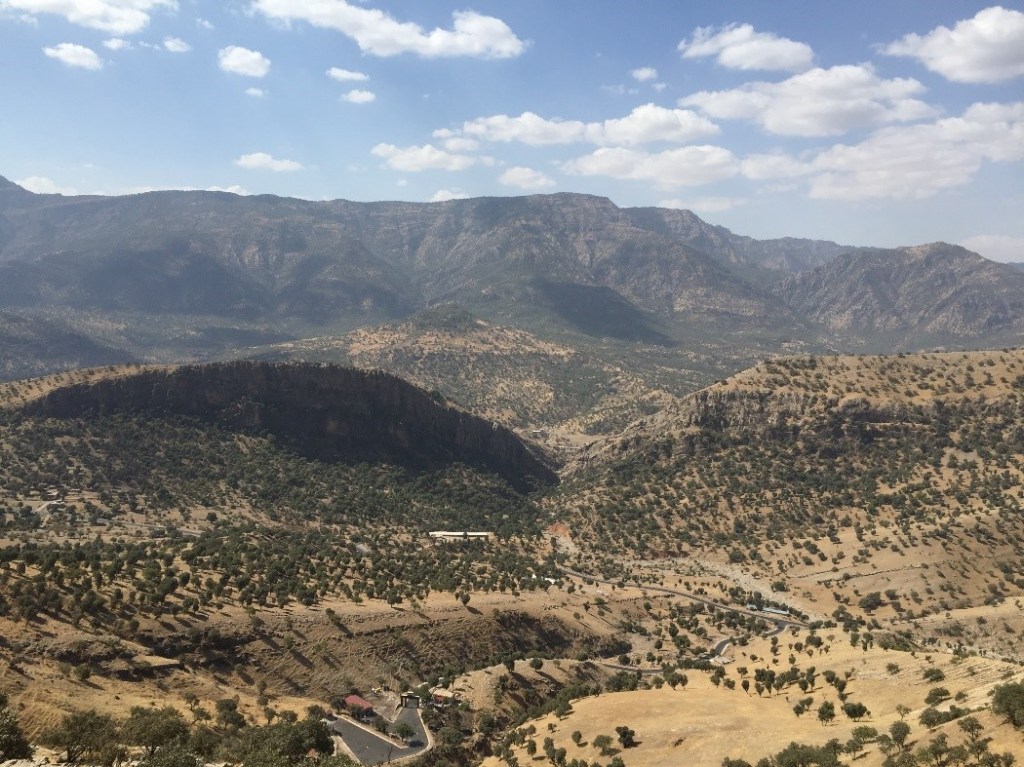
by Emily Tilby | (emct3@cam.ac.uk) When I found out that I would be taking part in this summer’s season of Excavations at Shanidar Cave I was really excited as the cave is so important in our understanding of Near Eastern Prehistory and Neanderthal behaviour. I was also slightly nervous as this would be my first experience taking…
-
The Wagah Border: a site of uncomfortable contradictions
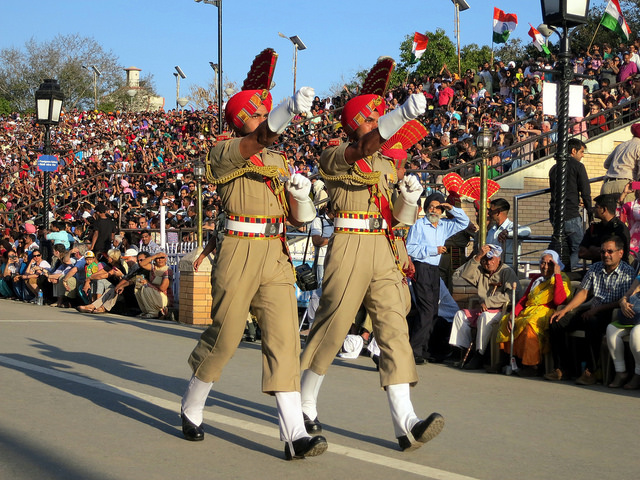
By Mobeen Hussain (@amhuss27) The Wagah (or Wagha) border is the Punjab border between India and Pakistan. It is approximately 29 km from the city of Lahore on the Pakistani side and 27 km from Amritsar on the Indian side. Whilst undertaking archival research in Lahore, I was told about the daily lowering of the…
-
On Florentines and Fieldwork
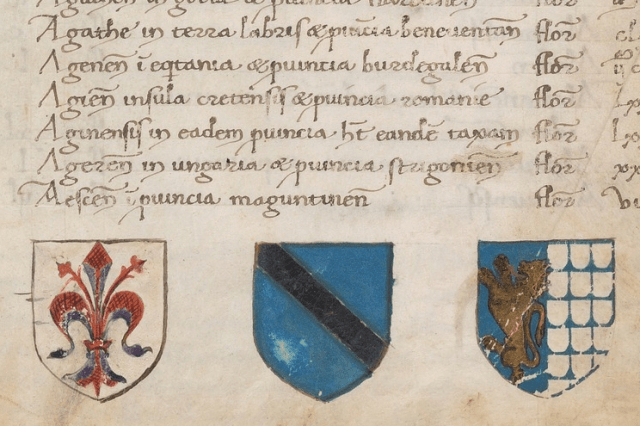
By Eleanor Russell Perhaps surprisingly to non-specialists, vast amounts of documentation survive from the fifteenth and sixteenth centuries, far more than from earlier periods. These surviving documents are not, however, necessarily coherent, and large bodies of sources remain rare. Even merchant correspondence, carefully preserved by traders for their records, has generally not remained intact. One…
-
9. 1891 Map from Populations Past

By Dr Alice Reid (@amrcampop) This map, from PopulationsPast.org, shows the sex ratio among working-age adults in 1891, calculated from census data. Areas in red have more men than women and areas in blue have more women than men. Geographical differences in the sex ratio reflect nineteenth century migration patterns and employment opportunities which pulled…

 doinghistoryinpublic.org