-
Ghettoes to Gentrification: How Hollywood Shaped America’s Urban Imagination

By Sam Collings-Wells (@Sam_cw_) ‘And they hide their faces / And they hide their eyes / Cause the city is dyin’/ And they don’t know why’. These lyrics from Randy Newman’s 1977 ‘Baltimore’—later made famous by Nina Simone’s justly celebrated cover—perfectly captured the spirit urban life during the mid-1970s. Historians would later pinpoint the variety…
-
Revisiting the Visitor’s Book

By Clemency Hinton (@clemencyhinton) Have you ever left an online review after dining at a café or staying in a hotel? What about after a visiting a museum or a local heritage site? You probably left your comment for the benefit of future visitors or to get the attention of management, but that review may have…
-
Unconventional History: El Paso, Texas according to an early-twentieth-century postcard
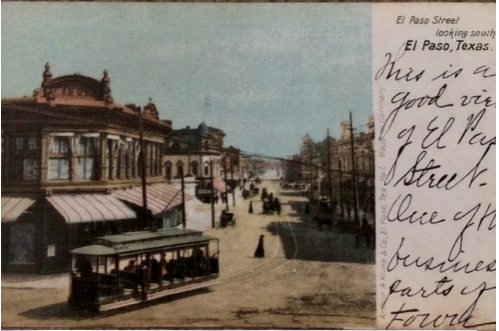
By Savannah Pine (@savannah_pine) El Paso, Texas (my hometown) features in the news frequently nowadays because of the migrant crisis and the administration’s desire to build a wall on the border between the United States and Mexico. The border, which lies along the Rio Grande, separates a large urban area into two cities: El Paso…
-
Serving ex-servicemen? Demobilisation schemes in India after the Second World War

By Mobeen Hussain (@amhuss27) The demobilisation of soldiers has always been fraught with questions regarding jobs, re-skilling, pensions, rehabilitation and transition into peace time society. Such challenges were particularly pronounced at the apexes of the First and Second World Wars due to the sheer scale of demobilisation.
-
‘No Stamp Act’: Pots & Politics in Early America
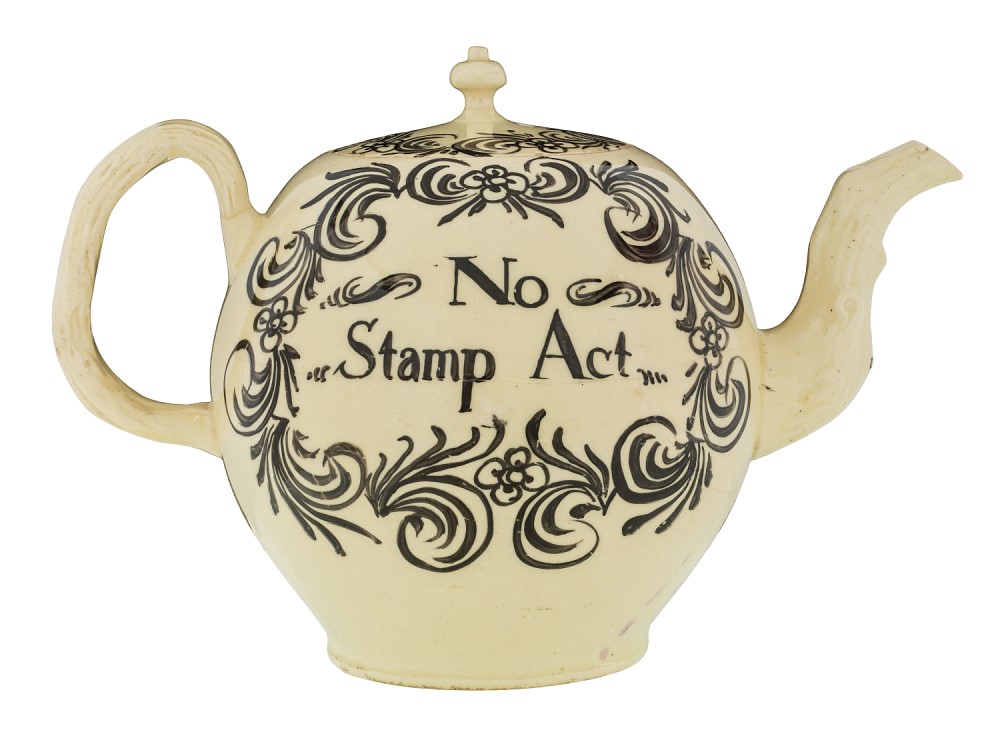
By Evelyn Strope (@emstrope) Although it may come as a shock to a twenty-first-century consumer, tea was once a political brew. The strong, steeped leaves and the teapots, teacups, and silverware that accompanied them were representative of clashes between imperialism and commercialism in the Atlantic world. As tea shifted from luxury to necessity in early…

 doinghistoryinpublic.org