-
Re-educating the enemy: German Prisoners of War in Britain
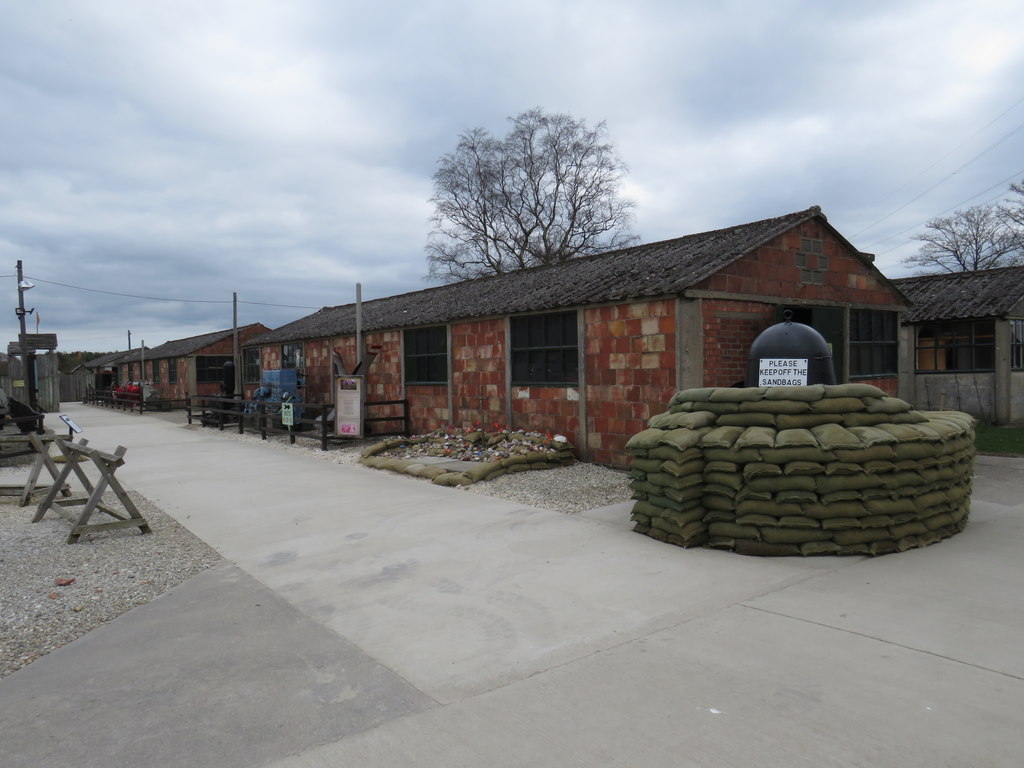
By Emily Redican-Bradford As the Second World War in Europe entered its final stages, Allied governments began to focus on how to deal with a defeated Germany. The leaders of Britain, the United States and the Soviet Union were determined to eradicate Nazism, in the hope of preventing the eruption of another global conflict. In…
-
Shipwrecks and Sand dunes: A Brief History of Sable Island

By Aoife O’Leary McNeice (@aolmcn) ‘Unless I’m clean lost, we must now be somewhere near Sable Island. I’m expecting to hear the roar of its breakers any minute, and once the Francis gets amongst them, God help us all!’ These are the words of Captain Reefwell in James Macdonald Oxley’s 1897 adventure story The Wreckers of Sable Island. The Island…
-
Gallipoli and national memory
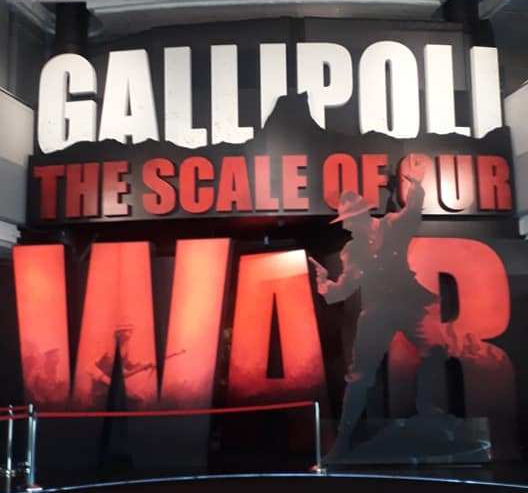
By Stephanie Brown (@StephEmmaBrown) On 22 May 1915, ‘a gay-hearted youth’, William Fielding Sames, sat outside his dug-out in Gallipoli (modern-day Turkey) drinking a cup of tea.[1] Even though he was just 22-years-old, William had been in the Army for five years, been promoted to Lieutenant and served in Egypt.[2] Yet, the decision to sit…
-
A historian of youth politics stands with the school climate strikers

By Helen Sunderland (@hl_sunderland) We are halfway through the week-long Global Climate Strike. Last Friday, millions of school students and workers around the world took to the streets demanding that governments act now to address the climate and ecological crisis. Back in March 2018, in the wake of the Parkland school shooting, I blogged about…
-
Public History in the Digital Sphere: /r/AskHistorians

By Joe Rachman What sparked the craze for martial arts, particularly kung fu, in 1970s America? Why did some Serbs commit acts of genocide in the late twentieth century despite Serbs themselves having been victims of genocide during World War Two? What started the Opium Wars? Did Zarathustra, the supposed founder of Zoroastrianism, actually exist?…

 doinghistoryinpublic.org