-
8. A Long Rifle

-
7. A Jacobite Teapot

By Carys Brown (@HistoryCarys) This seemingly innocuous teapot has a seditious past. Painted with an image of Charles Edward Stuart (known to his supporters as “Bonnie Prince Charlie”), this was a Jacobite object. The Jacobites were those who, following the “Revolution” of 1688-9, when James II fled Britain and was replaced as monarch by William and Mary,…
-
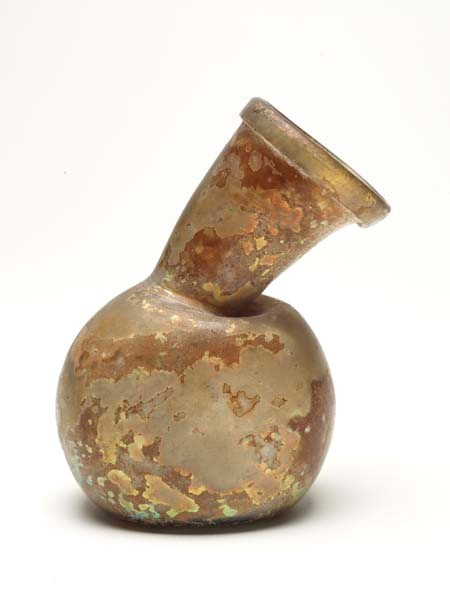
6. An Early Modern Urine Flask
-
5. The Rogue’s Gallery

By Walker Schneider (@WalkerSchneider) Today crime-fighting relies on massive criminal databases. In the United States, this practice can be traced back to Gilded Age New York City and the Rogues’ Gallery, the great-grandfather of modern criminal databases. Deep within the New York City Police Department’s headquarters on Mulberry Street, the Rogues’ Gallery was a hulking…
-
19. A Sphinx Carving
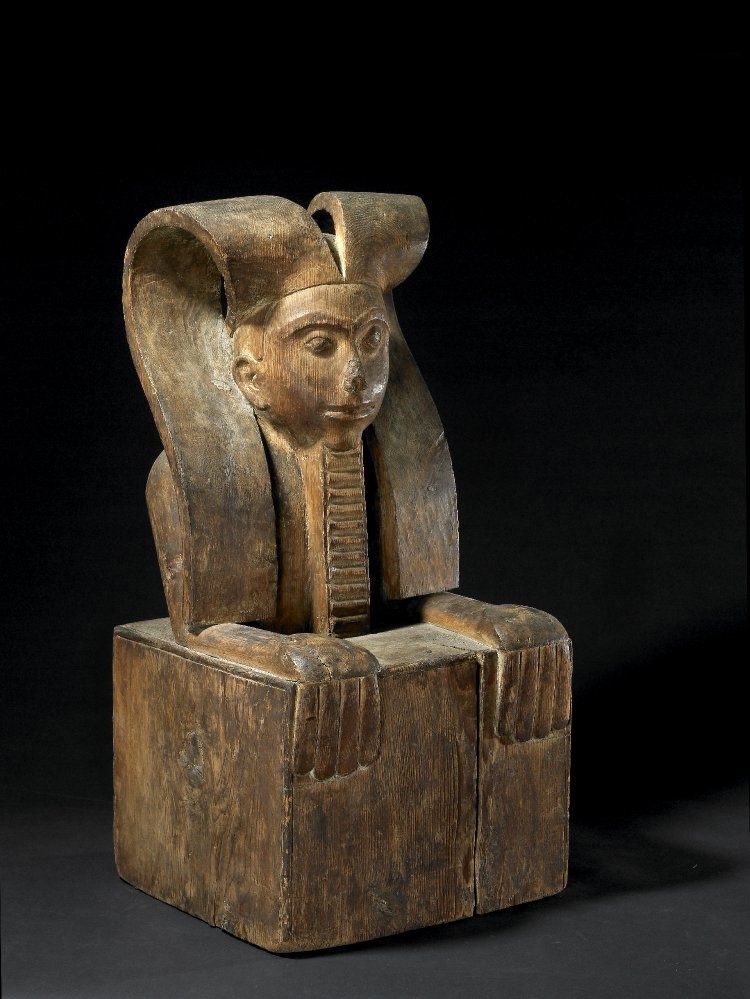
By Martin Crevier (@Crevier__Martin) This carving of a Sphinx came to the British Museum in 1896 from Haida Gwaii, a Pacific archipelago off the coast of what is today the Canadian province of British Columbia. The artist, Simeon Stildha (1799-1889), was a chief of the Haida people, the islands’ indigenous inhabitants.

 doinghistoryinpublic.org