-
21. The Seal of Robert Fitzwalter

By Savannah Pine (@savannah_pine) Robert Fitzwalter’s seal-matrix is a typical early-thirteenth-century seal-matrix. Its imagery proclaims his identity through an equestrian figure brandishing a sword, which represents that he was a part of the elite warrior class, and through a shield displaying his coat-of-arms (a fess between two chevrons), which signifies his membership within a familial…
-
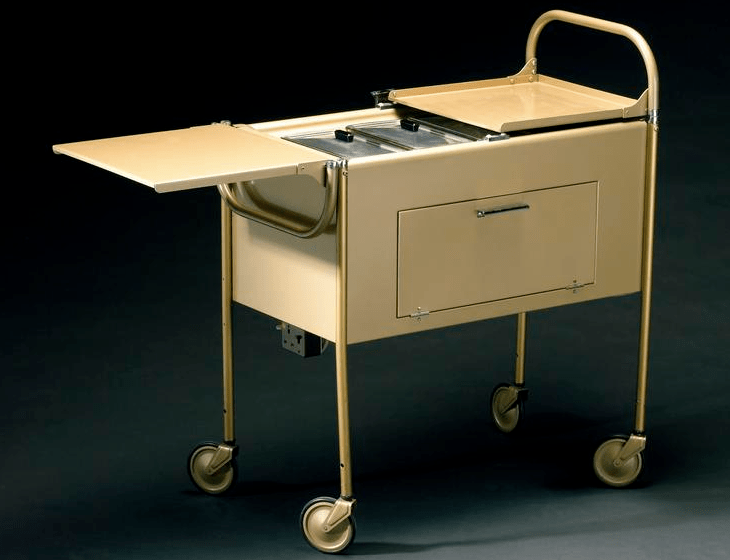
15. Hawkins Hostess Trolley
-
14. The Ace of Spades

By Evelyn Strope (@emstrope) Early-nineteenth-century playing cards can tell us much about politics, society, and culture in the early American republic. These woodcut cards, engraved on paper and then water-coloured, served several functions. They represented a continued interest in ‘diversions’ like gambling in post-colonial society, where dice and card games of various fashions formed a key part…
-
Fashion Gallery as Archive: Researching Dress History in Museums

By Zara Kesterton (@ZaraKesterton) In recent years, it has become fashionable to talk of an ‘archival turn’ in history, in which the site of record-keeping has itself come under scrutiny.[1] At the same time, material history has risen to prominence as an intriguing counterpart or companion to the paper-trail left by written documents.[2] As someone…
-
Suffrage, Arson, and the University of Bristol
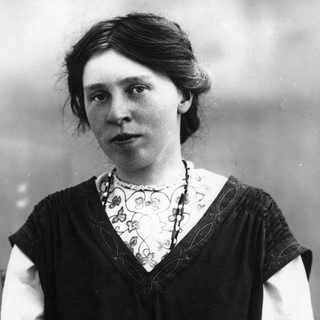
By Georgia Oman (@Georgia_Oman) Founded as University College, Bristol, in 1876, the awarding of a royal charter in 1909 allowed the University of Bristol to officially come in to being. In that time, the institution had earned a reputation as a trailblazer in the higher education of women. During the College’s first year, there were 69 women…

 doinghistoryinpublic.org