-
6. Womanopoly
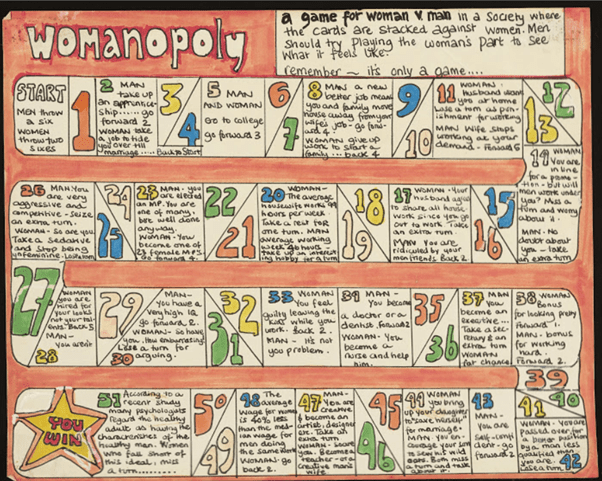
By Rebecca Goldsmith (@rebeccagold123) Womanopoly, a board game created by activist and writer Stella Dadzie in the late 1970s, offers an unusual yet productive entry-point for examining late twentieth-century British feminism. The game moves through the life-stages of education, work, politics and the home, in each case capturing the contrasting experiences of men and women;…
-
2. The Honours of Scotland

By Lewis Younie (@Lewis_Younie) The Honours of Scotland, better known as Britain’s oldest surviving crown jewels, were crafted in the late 15th and early 16th century. Comprised of a crown, a sceptre, and a sword, the regalia’s history has intertwined with that of the Scottish nation for centuries. The Honours’ physical appearance does not demand…
-
1. An Anti-Communist Newspaper
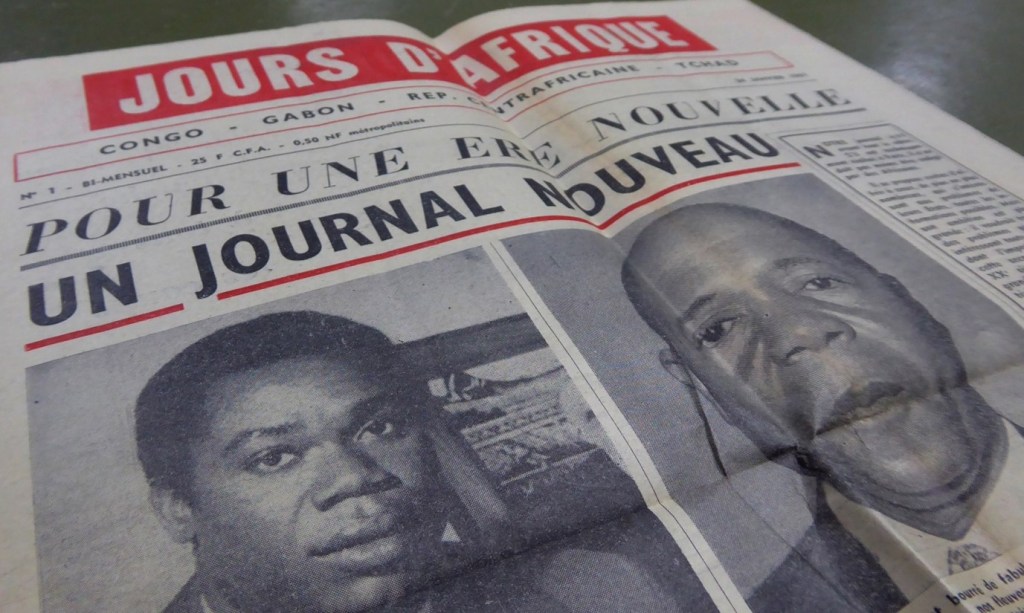
By Alex White (@alex_j_white) The first issue of Jours d’Afrique [‘African Days’] hails itself as ‘a new newspaper for a new era’. [1] This is a fair claim: the journal was published in January 1961, only months after the decolonisation of French Equatorial Africa. Grainy photographs of new presidents stare down from the front page…
-
8. A Pack of Playing Cards depicting the ‘Popish Plot’ (ca. 1679)
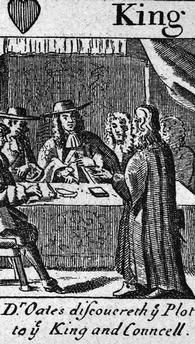
By Basil Bowdler (@BasilBowdler) Playing cards were meant for much more than games in late seventeenth century England. They flourished as a medium for conveying political events and (mis)information. This particular pack, which was illustrated by Francis Barlow, details the ‘Popish Plot’ (1678-81): a fictitious conspiracy alleging that an extensive cabal of Catholics were plotting…
-
7. The Pot on the Windowsill
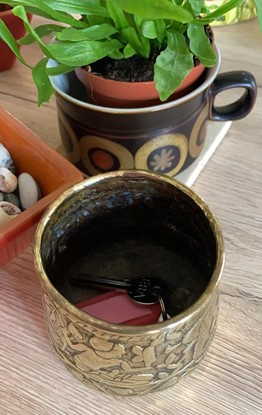
By William Gaby Towards the end of a telephone conversation with my grandmother a few weeks ago, I was startled by a surprising revelation. As if a fleeting afterthought, she revealed that her mother had recorded an oral history in the early 2000s. “It was only a very amateur recording – I can’t imagine it…

 doinghistoryinpublic.org