-
17. Praying the Rosary in 17th-Century China

By Weiao Xing (@WeiaoX) Basking in the sacred light, the Virgin Mary is greeted by Gabriel in an oriental wooden house ornamented with delicate lines and patterns (fig. 1). This unique Annunciation, as one of the fifteen hybridised images, appeared in a seventeenth-century print for Chinese rosary prayers. Its source version was Evangelicae historiae imagines,…
-
19. Kennedy’s Cowboy Hat

By Sam Collings-Wells On the morning of his assassination, John F. Kennedy was in Fort Worth, Texas, giving a speech at a breakfast gathering of the Chamber of Commerce. When the speech was over, Kennedy was handed a Stetson (pictured). Despite cries of “put it on!” emanating from the crowd, the visibly uncomfortable president refused,…
-
22. Remora
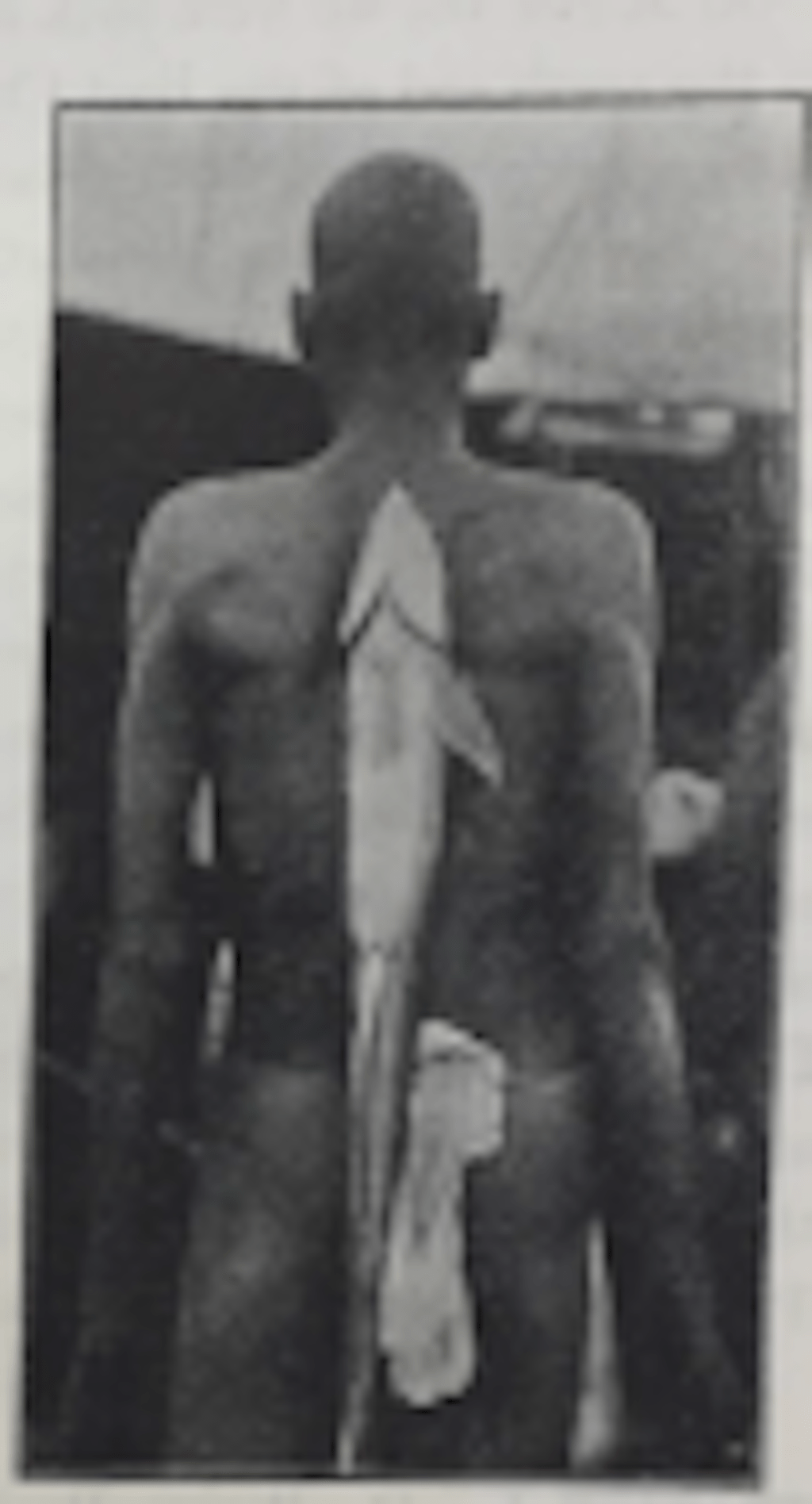
By Tamara Fernando (@TamaraFernando3) Before the 1920s, visual renderings of the seafloor largely relied on drawings and engravings. This was true even in places where bodies routinely inhabited the underwater, such as the pearl fisheries of Ceylon. Here, photography did play a role: on the shore and on the decks of colonial steamers, British administrators…
-
18. Vigani’s Cabinet

By Xinyi Wen (@HPSWarburgian) Red, umber, carmine, massicot yellow, ultramarine… in a 15×15 inches humble drawer, 63 kinds of pigments constituted a vibrant, colourful world. Each pigment was held in a labelled paper box lining inside the wooden grid, indicating these ingredients’ mobility and their flexibility of spatial arrangement. This drawer, together with other 28…
-
20. An Icelandic Executioner’s Axe

By Stephanie Brown (@StephEmmaBrown) This axe can now be found at the National Museum of Iceland in Reykjavik. It was used on 12 January 1830, to execute Agnes Magnúsdóttir, a maid, and Friðrik Sigurðsson, a farmhand, for their role in the murders of ‘womanizer’, Natan Ketilsson, and Pétur Jónsson, an unfortunate bystanding victim. The crime took…

 doinghistoryinpublic.org