-
Vampires, Ghosts, and Spirits on Santorini: The Affectivity of a Sulphuric Landscape

By Lavinia Gambini (@GambiniLavinia) Today known for its luxury tourism, high-end ‘destination weddings’, and romantic ‘Instagrammability’, Santorini was for seventeenth-century Westerners a ‘demonic’ island.[1] Early modern travellers to the Aegean encountered an unsettling landscape: they met a fragmented island torn into pieces by the many seismic and volcanic activities that had struck Santorini throughout…
-
International Commonwealths: Public Diplomacy in 17th Century Europe

By Basil Bowdler (@BasilBowdler) When allegations of Russian interference in the Brexit referendum and US general election of 2016 surfaced, it struck many as a new and disturbing development in public politics. But in reality, foreign powers have been attempting to manipulate public opinion to their own ends for much longer. In seventeenth-century Europe, as…
-
Max Long – Historian Highlight

By Max Long (@max_long), interviewed by Cherish Watton (@CherishWatton), Series Editor Historian Highlight is a new series sharing the research experiences of historians in the History Faculty in Cambridge. We ask students how they came to research their topic, their favourite archival find, as well as the best (and worst) advice they’ve received as academics…
-
Reimagining Oral History and its Role in Society
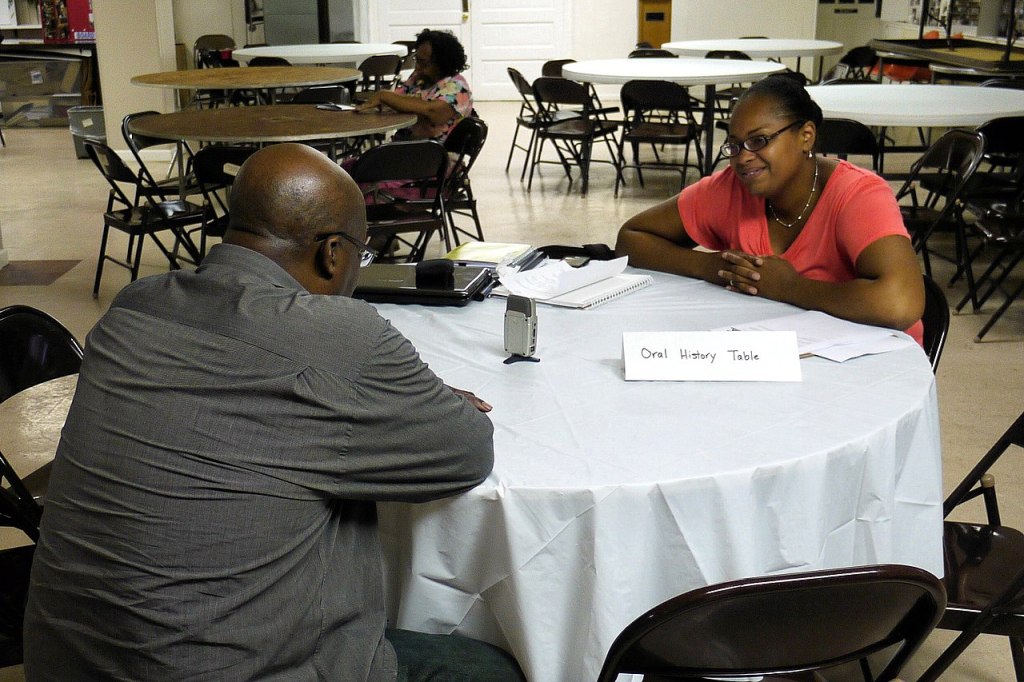
By Lewis Younie (@Lewis_Younie) On 6th January, a mob invaded the United States Capitol building, the seat of their federal democracy. In response, historians informed the public about the deep roots which white supremacy had in motivating that insurrection. Over a thousand signed a letter, for example, calling for President Trump to resign due to…
-
Saving Face? Masculine Prowess and Facial Wounds in Medieval Christendom

By Fiona Knight (@fionalillian_) Sarah Covington writes that the wound of a soldier is not only an ‘embodied record of warmaking’, enshrining the conflict in memory, but also a locus of the soldier’s identity, representing ‘heroism, personal shame, or public burden’.[1] Facial wounds have a unique status in this regard, especially in relation to masculinity…

 doinghistoryinpublic.org