-
4. The History of Pantomime

By Zara Kesterton (@ZaraKesterton) In 1728, the English dancer and writer John Weaver published The History of the Mimes and Pantomimes. Weaver has been widely credited with introducing the pantomime to England – although his pantomime of the eighteenth century is not what we would recognise today. Audiences at a modern British pantomime expect a…
-
5. Medieval Murder Maps

By Stephanie Brown (@StephEmmaBrown) Upon finding a dead body in medieval England, you were required to raise the alarm to alert bystanders and the authorities. Once the coroner had been notified of a violent death, they summoned an investigative jury from the village or parish where the person had died and from the three neighbouring…
-
6. Eighteenth-Century Neon

By Jake William Bransgrove (@Jake_Bransgrove) At times of public celebration, the nocturnal Georgian city – otherwise dark, dangerous and shrouded in shadow – would be bathed in exceptional quantities of light. The act of illumination, as it was known, saw urban spaces lit in spectacular fashion. An instance of circumstantial festival, the mass deployment of candles, lamps,…
-
7. Romanian New Wave Cinema and Self-Conscious Commemoration

By Beatrice Leeming, @LeemingBeatrice Arthouse cinema is often associated with French films of the 1950s and ‘60s. At a push, critical interest extends to experimental Czech cinema of the same period. In the Anglo-American world, insufficient attention and appreciation is afforded to the Romanian New Wave (RNW), a concentration of creative and critically acclaimed cinema…
-
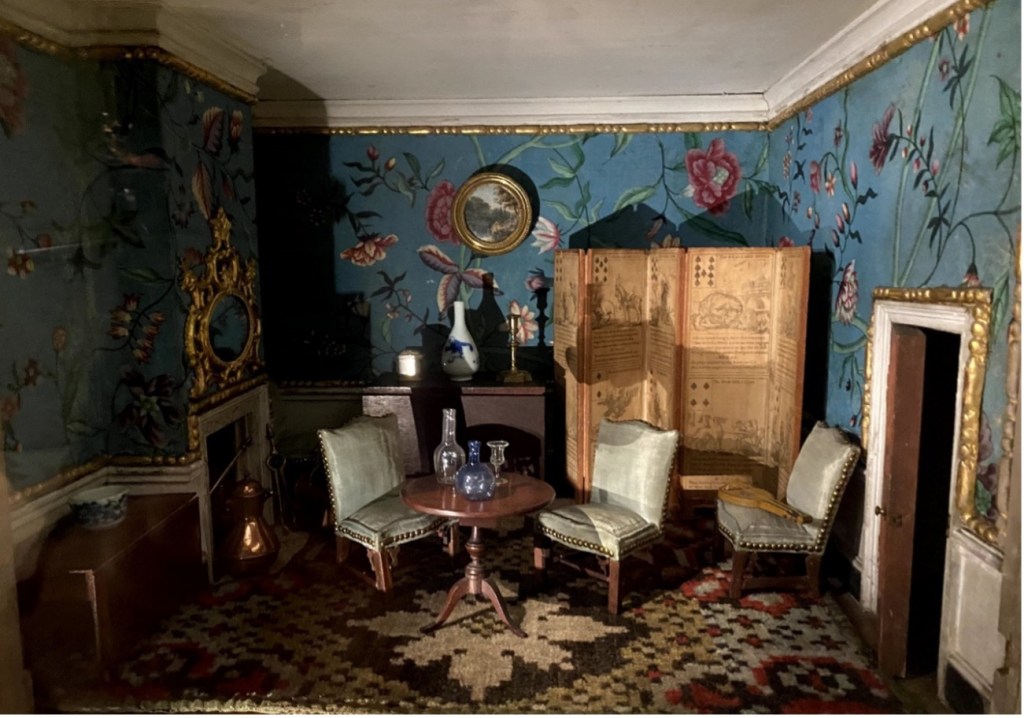
8. Inside An Eighteenth-Century Dolls’ House

 doinghistoryinpublic.org