-
Bad Habit: A Wrongdoing Abbot in Tenth-Century Burgundy

By Fraser McNair Fraser is a PhD candidate in the Faculty of History. His thesis is entitled ‘The development of territorial principalities between the Loire and the Scheldt, 893-99′. Once again, a story from a charter: in this case, from the record of the resolution of a dispute over land. In 997, Bruno, bishop of Langres, arrived at…
-
A Little Chaos (2014): A commitment travesty
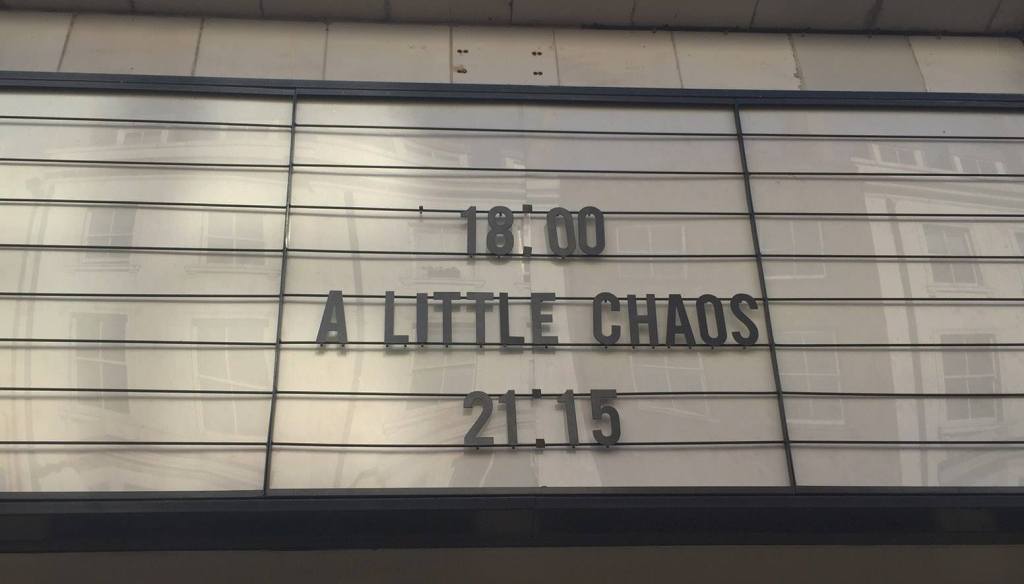
By Anna Knutsson @annaknutsson Anna Knutsson is an MPhil student in Early Modern History at the University of Cambridge. She is currently researching expressions of female involvement in medicine in Renaissance Florence. Director: Alan Rickman Cast: Kate Winslet, Stanley Tucci, Alan Rickman, Jennifer Ehle, Matthias Schoenaerts, Helen McCrory. Lack of commitment is a constant complaint of…
-
When is Research Worth it?

By Matthew Tibble Matthew is an MPhil student in Early Modern History at the University of Cambridge. He is currently researching religious counsel during the mid-Tudor period. I have been studying history for the better part of four years, yet it was only recently that I managed to fulfil the archetypal ambition of making an…
-
Elizabeth Sculthorp and the Embodiments of Unbelief
By Patrick Seamus McGhee Patrick is an MPhil student in Early Modern History at the University of Cambridge. He is currently researching atheism and unbelief in post-Reformation England. In 1519, Elizabeth Sculthorp was brought before the church courts in the diocese of Lincoln to explain her faltering religious belief. The court book reports that: “First she…
-
Wealth, status, and power: is the franchise the same as the vote?

By Carys Brown @HistoryCarys Wealth and status were at the heart of eighteenth century politics, so much so that those with enough of both could have significant political influence even without enfranchisement. Such was the rather peculiar position of British Catholic gentlemen, who could not vote or hold political office until 1829 because of their religion.…


