-
The Allotment as Fertile Ground for Historical Study
By Zoe Farrell | @zoeffarrell Allotments in many ways seem like a quaint symbol of the past; reminiscent of that kind elderly neighbour who always shared the fruits of their overabundant crop. However, allotments have a long history and were brought about in their current form for a very serious purpose. The history of allotments…
-
Catholic murderers in your area put loyal Protestants at risk, SAD! – Benjamin Harris, fake news, and the Popish Plot

By Alex Wakelam – @A_Wakelam Anyone with even a passing awareness of western politics over the last year will have been bombarded with the phrase “Fake News”, whether to describe genuine falsehood circulated as fact or as the rallying cry of bombastic autocrats denying the validity of news sources that disagree with them. While the phrase seems like…
-
Royal Palace or Hellish Temple? Using Architectural Style as a Source
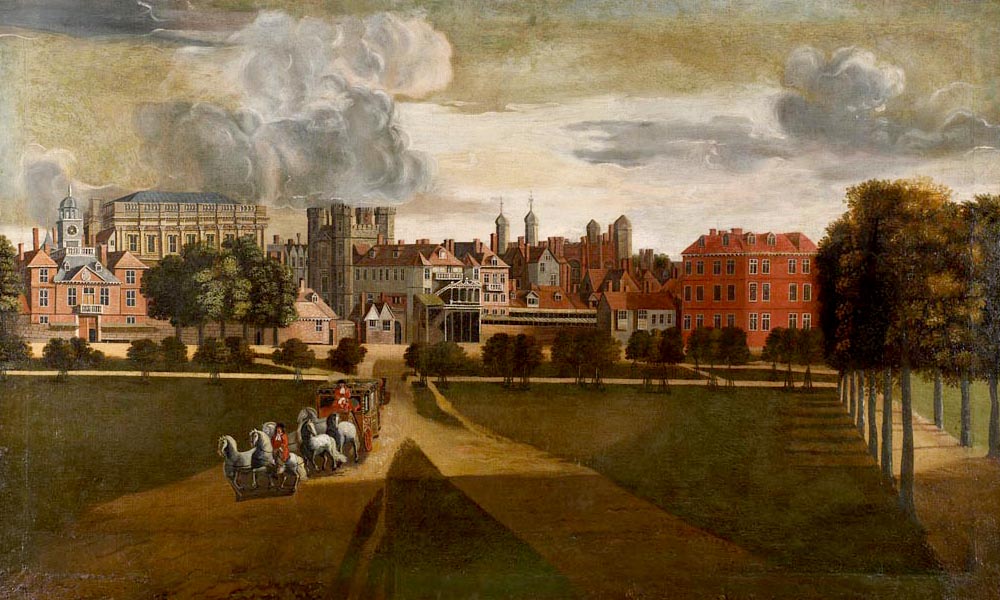
By Atlanta R. Neudorf // arn26@cam.ac.uk When one pictures the historian undertaking their archival research, it is common to conjure up an image of the scholar poring over sources of the written word: newspapers, letters, pamphlets, or book manuscripts. Few would imagine this dusty figure staring at a building.
-
What’s in a map?
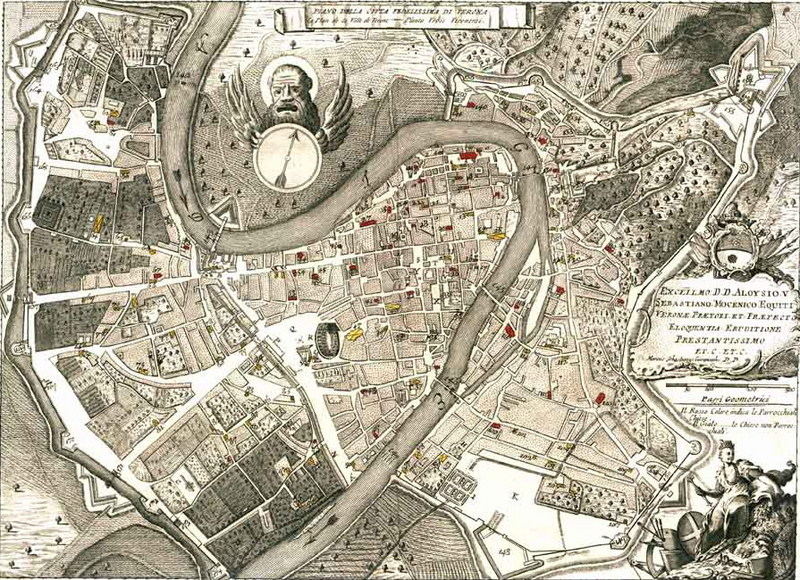
By Zoe Farrell | @zoeffarrell At first glance, a map is a simple entity. It is a tool through which towns and cities can be organised so that people can gain knowledge of places, roads, waterways and significant buildings. However, maps are often in fact complex objects of state building, propaganda and identity formation. J.…
-
What’s in a Name? Creating and Commemorating Historical Events
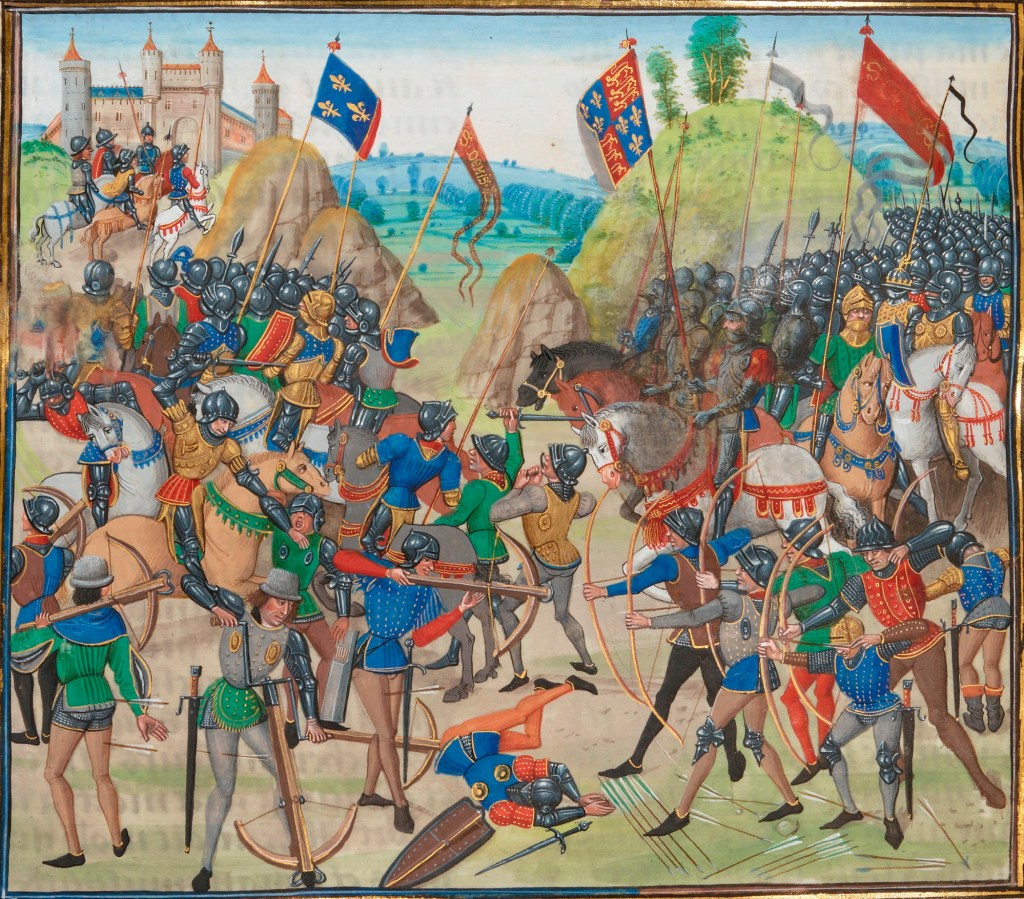
By Harriet Lyon – @HarrietLyon It is a well-known pub quiz fact that the Hundred Years’ War was not one-hundred years long. Nor was it a war, exactly, but rather a series of intermittent conflicts that raged between the House of Plantagenet and the House of Valois during the years 1337-1453. But, for some reason, the ‘Hundred-and-Sixteen…

 doinghistoryinpublic.org