-
Gospel truth? History and the writing of the New Testament

By Robert Evans @R_AH_Evans This Sunday, millions around the world will gather to celebrate Easter. They will listen to historical documents written almost two thousand years ago, purporting to describe the last hours, death, and physical resurrection of Jesus of Nazareth, a religious teacher from first-century Palestine. Those events, and the documents which supposedly describe them,…
-
Snap elections: a brief historical guide

-
What’s in a Name? Creating and Commemorating Historical Events
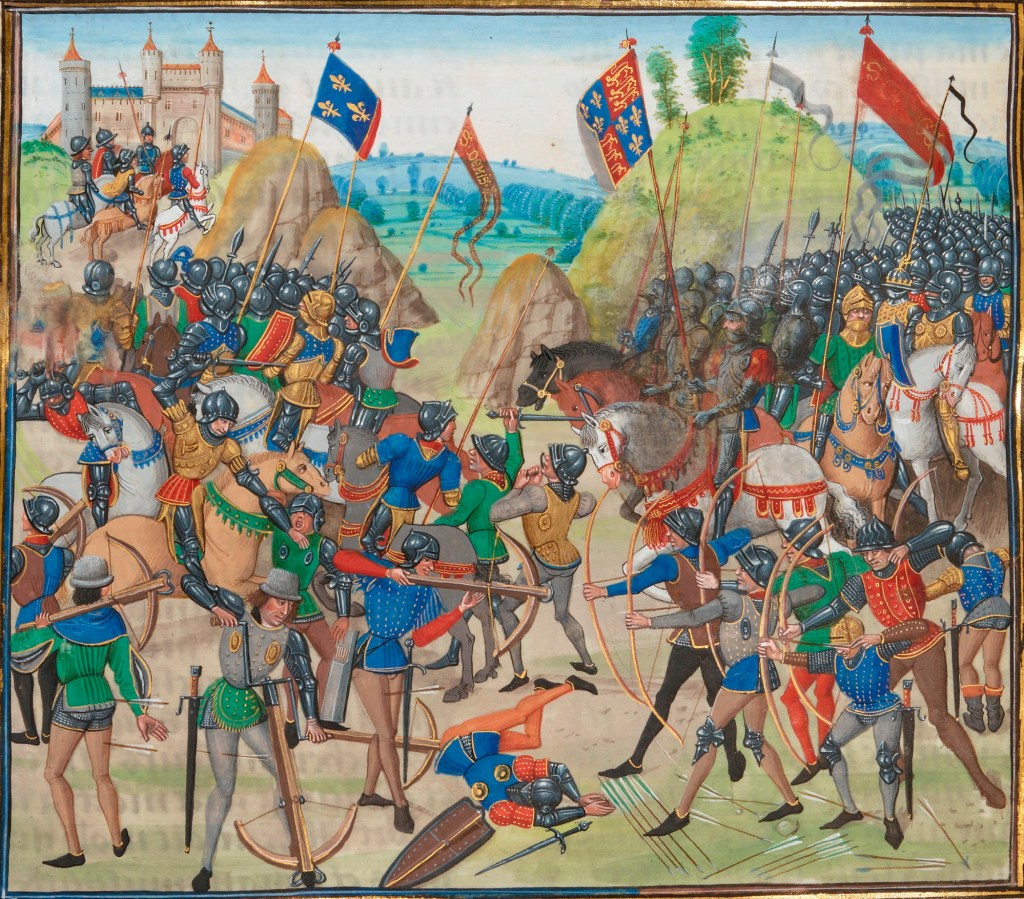
By Harriet Lyon – @HarrietLyon It is a well-known pub quiz fact that the Hundred Years’ War was not one-hundred years long. Nor was it a war, exactly, but rather a series of intermittent conflicts that raged between the House of Plantagenet and the House of Valois during the years 1337-1453. But, for some reason, the ‘Hundred-and-Sixteen…
-
Is Trump the new King Henry II?

By David Runciman The testimony of Former FBI Director James Comey before the Senate Intelligence Committee was a highly anticipated moment of political drama. There were many stand-out moments. But as a medievalist, it was particularly interesting to hear Comey and one of his interlocutors compare President Trump to King Henry II of England. So…
-
‘Rejoice Moscow, Russians are in Paris!’: The curious history of a popular melody