-
4. Journal of William Dixon, 1811
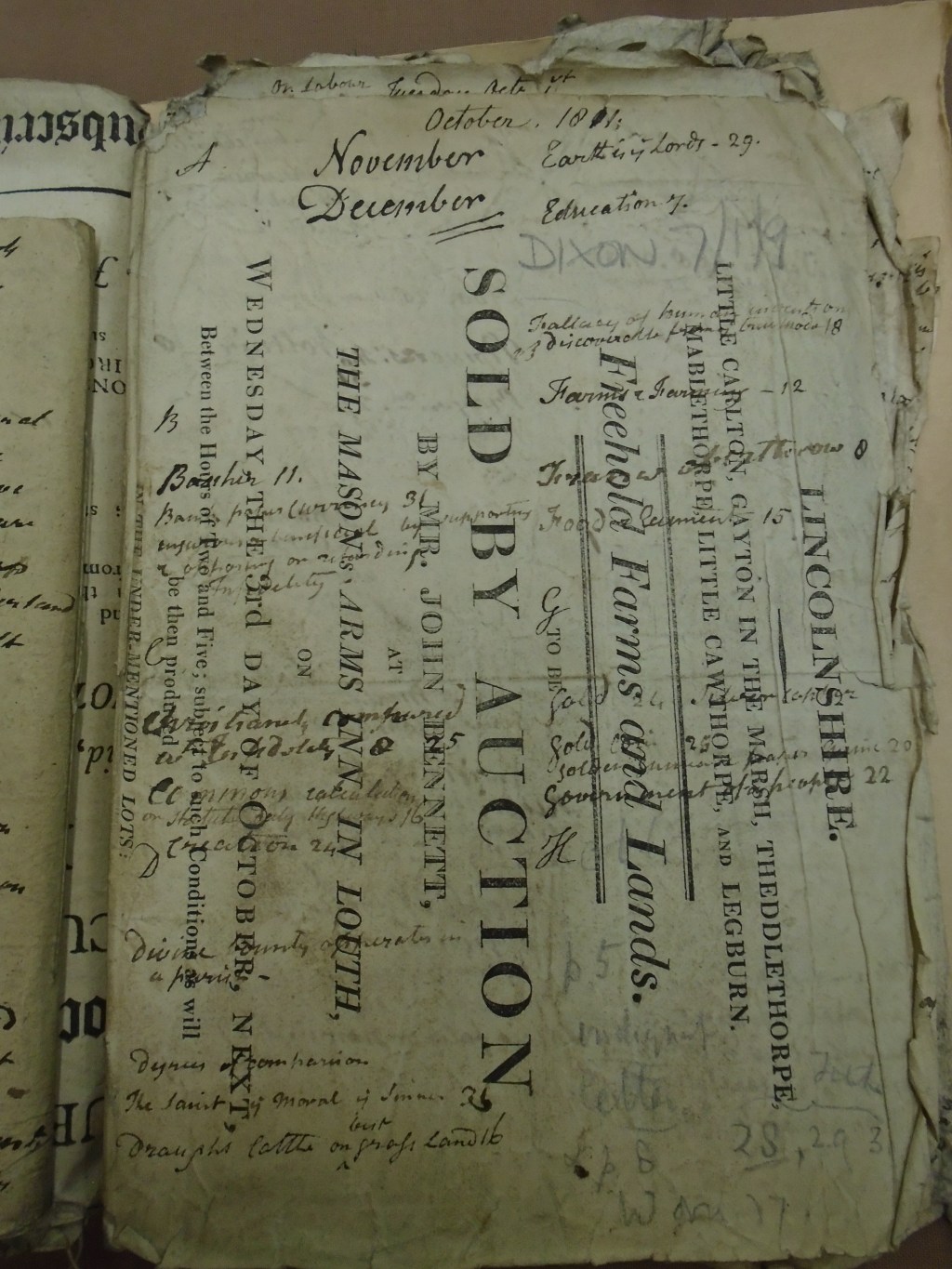
By Nicholas Dixon One of the most memorable sets of items I have found in an archive is the journals and notebooks of William Dixon (1756-1824), a farmer from the village of Holton le Moor in Lincolnshire. Deposited in the Lincolnshire Archives, 54 of these roughly bound volumes survive, some of them with pages recycled…
-
Capturing the Raj: visual narratives of British India
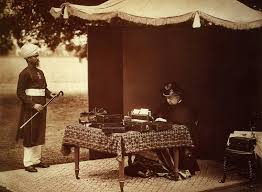
By Mobeen Hussain | @amhuss27 In the last few years, there has been a resurgence of period adaptations based on the British in India. This spat of television and film productions depicts particular historical narratives that romanticise the British Empire and hark back to the good-old-days of British imperialism. Indian Summers (2015), Victoria and Abdul…
-
7. Schoolchildren’s Jubilee Address to Queen Victoria

By Helen Sunderland (@hl_sunderland) Queen Victoria’s Golden and Diamond Jubilees in 1887 and 1897 prompted an outpouring of national celebration. The queen received thousands of jubilee addresses from local authorities, philanthropic organisations and societies across the country. These large, colourfully decorated documents were full of patriotic language praising Victoria’s long reign. Trawling through these addresses in the…
-
9. Using Archival Material to Create Prisoner Narratives in British Prison Museums

By Dan Johnson, University of York (@Dan_Johnson19) While conducting research on public understandings of punishment in British prison museums, the public facing collections and exhibitions often act as the main primary sources that I engage with. One of the elements of the prison interpretation that I do rely on archival material for is the reconstruction…
-
10. Woodstreet Compter Commitment Book, 1765-66
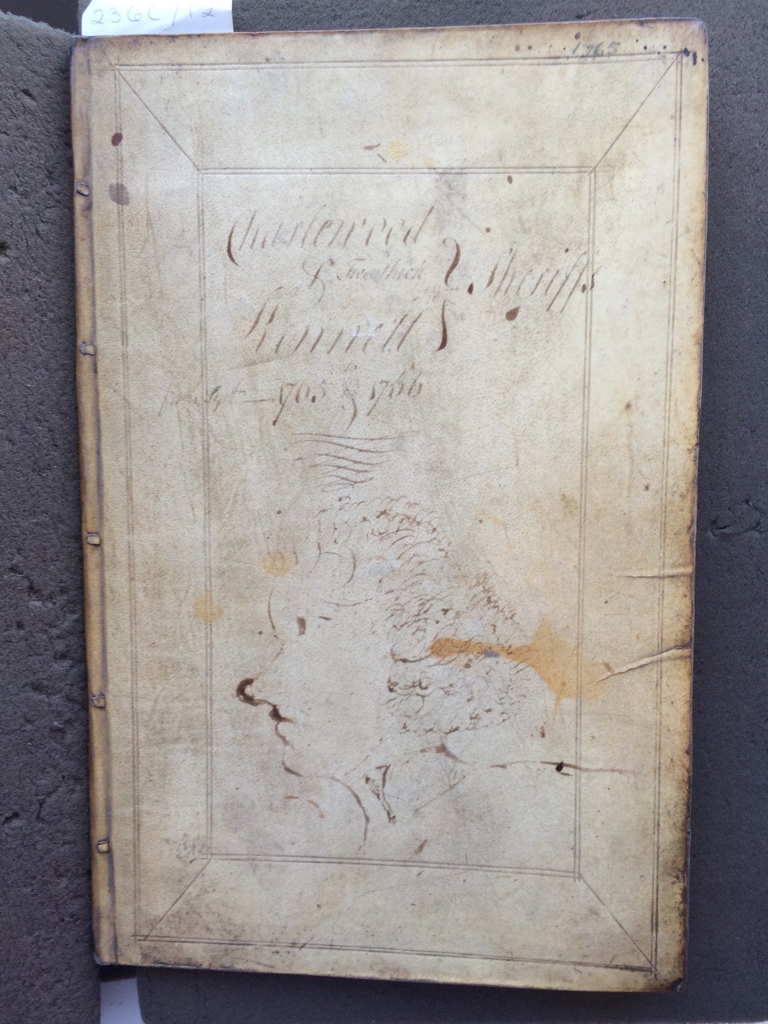
By Alex Wakelam | @A_Wakelam As a quantitative economic historian, a significant amount of my research is impersonal. Studying the functioning of eighteenth-century debtors’ prisons and their effectiveness as a mechanism of contract enforcement rarely brings one into contact with material that connects you to the thoughts, feelings, and lived experience of an individual human being. My principal…

 doinghistoryinpublic.org