-
19. Treating mental illness in the early 20th century
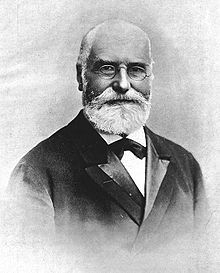
By Chris Wilson (cw498@cam.ac.uk) The Father Christmas figure pictured here is Theophilus Waldmeier, a Swiss Quaker missionary based in the Levant from the 1860s until his death in 1915. Late in his life, Waldmeier began raising funds for the construction of a mental hospital at Asfuriyeh, near Beirut, which opened its doors in August 1900.…
-
20. Journal of Lawrence Rowntree
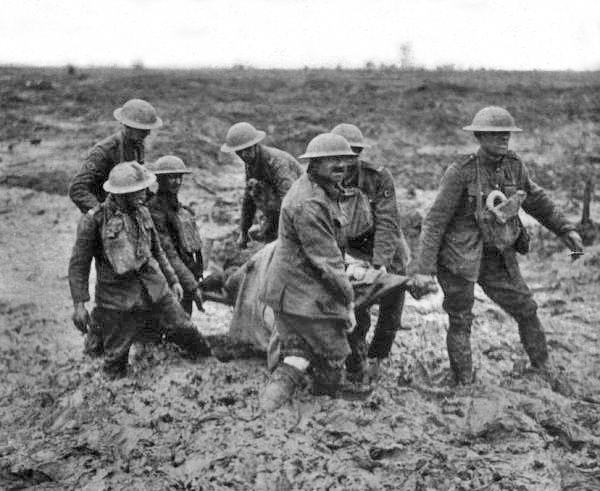
By Spencer Brown I was helping curate a museum exhibition in York on the life of Lawrence Rowntree, grandson of the famous businessman, philanthropist and social reformer Joseph Rowntree. Lawrence died at Passchendaele in the First World War, aged just 22. He kept a journal of his time with the Friends Ambulance Unit, in which…
-
21. ‘Teuerster Polte’ – letters indicating the uneven friendship between Frederick Wilhelm IV. of Prussia and Leopold von Gerlach

By Laura Achtelstetter In the Gerlach-Family Archive in Erlangen (GER), a copy of the diaries of Leopold von Gerlach, General of the Prussian Army and aidé de campe of Frederick Wilhelm IV., can be found. The originals have been lost since the Second World War. Signature LE02776 contains letters between Frederick Wilhelm IV, his wife Elisabeth…
-
13. Feminist activism in the Black Cultural Archives
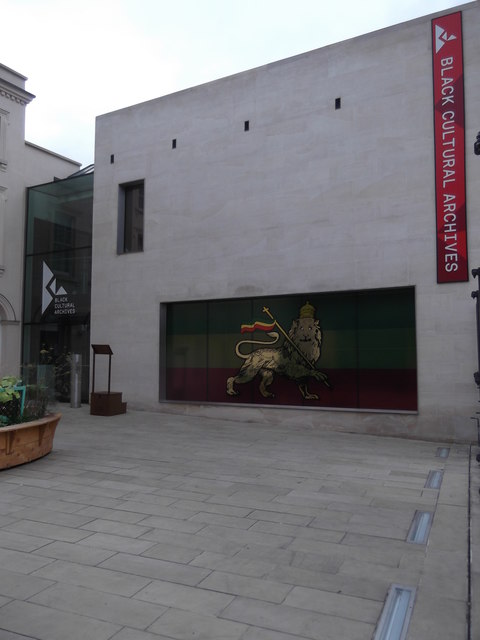
By Mobeen Hussain (@amhuss27) Whilst searching in the Black Cultural Archives in Brixton, London, I came across a pamphlet published by the Black Women’s Action Committee in October 1970. The Black Women’s Action Committee was part of the Black Unity and Freedom Party, one of many anti-racist and black rights campaign groups founded in the…
-
22. Spiritual encounters in the archive
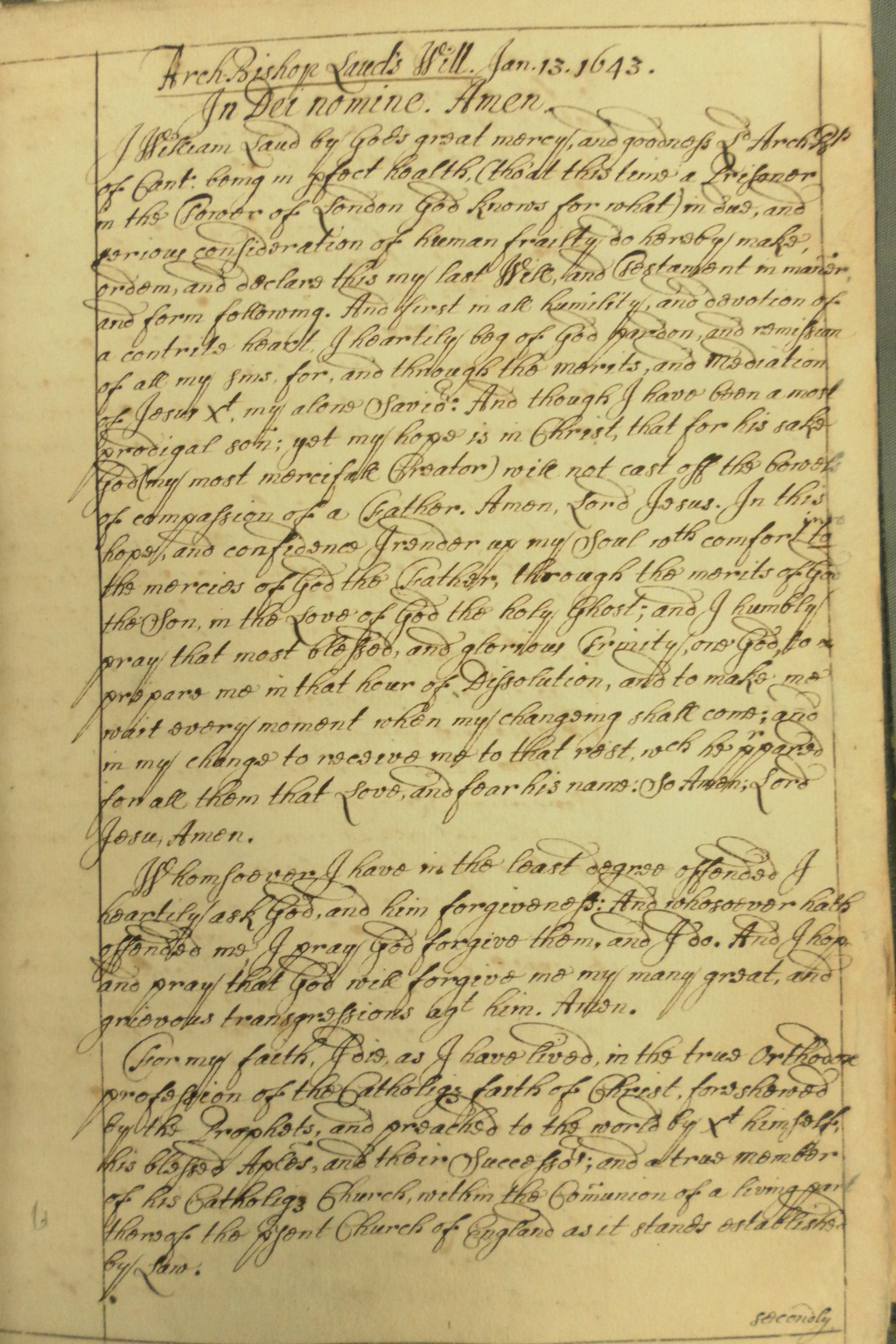
By Alice Soulieux-Evans An English literature student, my ‘conversion’ to history came through studying the Reformation. Yet this scholarly ‘conversion’ coincided with my coming to faith. Whilst as a historian I seek to be objective, it doesn’t mean I don’t find my research and the people I study spiritually edifying as a Christian. One of…

 doinghistoryinpublic.org