-
Tall Tales and Shaping the Research of the Future

By Helen Sunderland (@hl_sunderland) When I first saw the University Library as a new Cambridge student last October it looked like something from a dystopian novel. The library tower loomed above me – a modernist monument to humanity’s pursuit of knowledge. With the addition of a few slogans on the walls, I thought, it would fit right…
-
Staging History: Mary Stuart
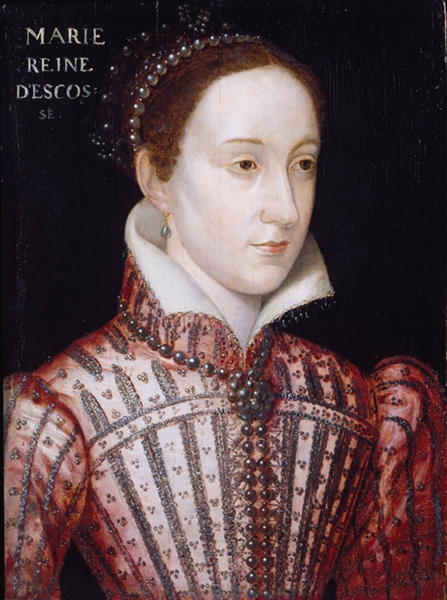
Harriet Lyon (@HarrietLyon) reviews Friedrich Schiller’s play Mary Stuart, adapted and directed by Robert Icke. What is history if not a series of contingencies? For every thing that happens, an infinite number of other possibilities are extinguished. But what if things had been different? Although writing history certainly involves a good dose of imagination, academic historians have…
-
The Grand (Archival) Tour

By Zoe Farrell (@zoeffarrell) One of the many advantages of being a historian who studies other countries is the ample opportunities for travel. My work focuses on artisans and material culture in sixteenth-century Verona, and I have therefore spent a lot of time in Veronese archives. However, I am also interested in how Renaissance culture travelled,…
-
Theatre History: Out of the Archives and Onto the Stage
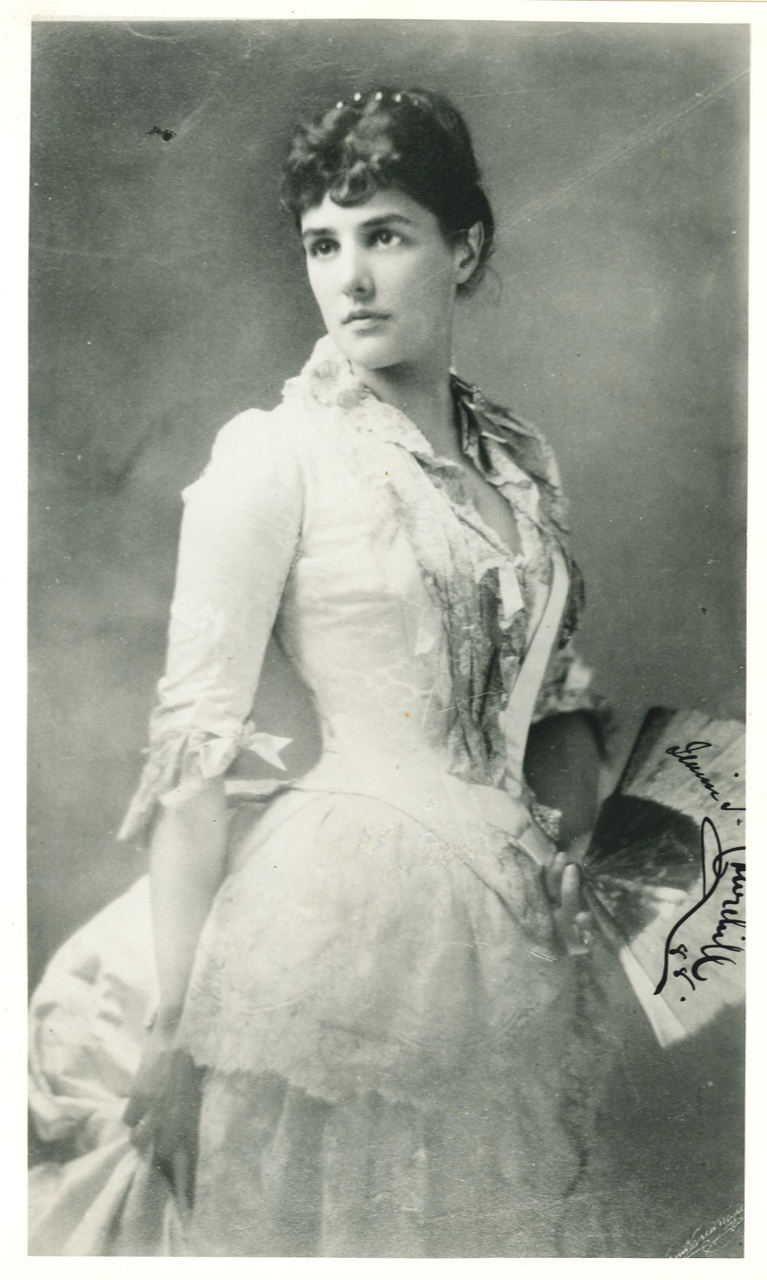
by Holly Dayton | hollyedayton@gmail.com Few people know that Lady Randolph Churchill, Winston’s American mother, was a playwright. If they happen to know of her, they only know her as the mother of Winston Churchill. Yet she wrote three plays over the course of her life: His Borrowed Plumes (1909), The Bill (1913), and Between the…
-
History, policy, and religion: a conversation

Tom Smith and Helen Sunderland (Doing History in Public) talk to Judd Birdsall, Managing Director of the Cambridge Institute on Religion & International Studies based at Clare College, Cambridge Doing History in Public: Hi Judd. Could you tell us a bit more about CIRIS and its work? Judd Birdsall (CIRIS): The Cambridge Institute on Religion &…

 doinghistoryinpublic.org