-
21. Gifts from The Queen, the End of a Diplomatic Career
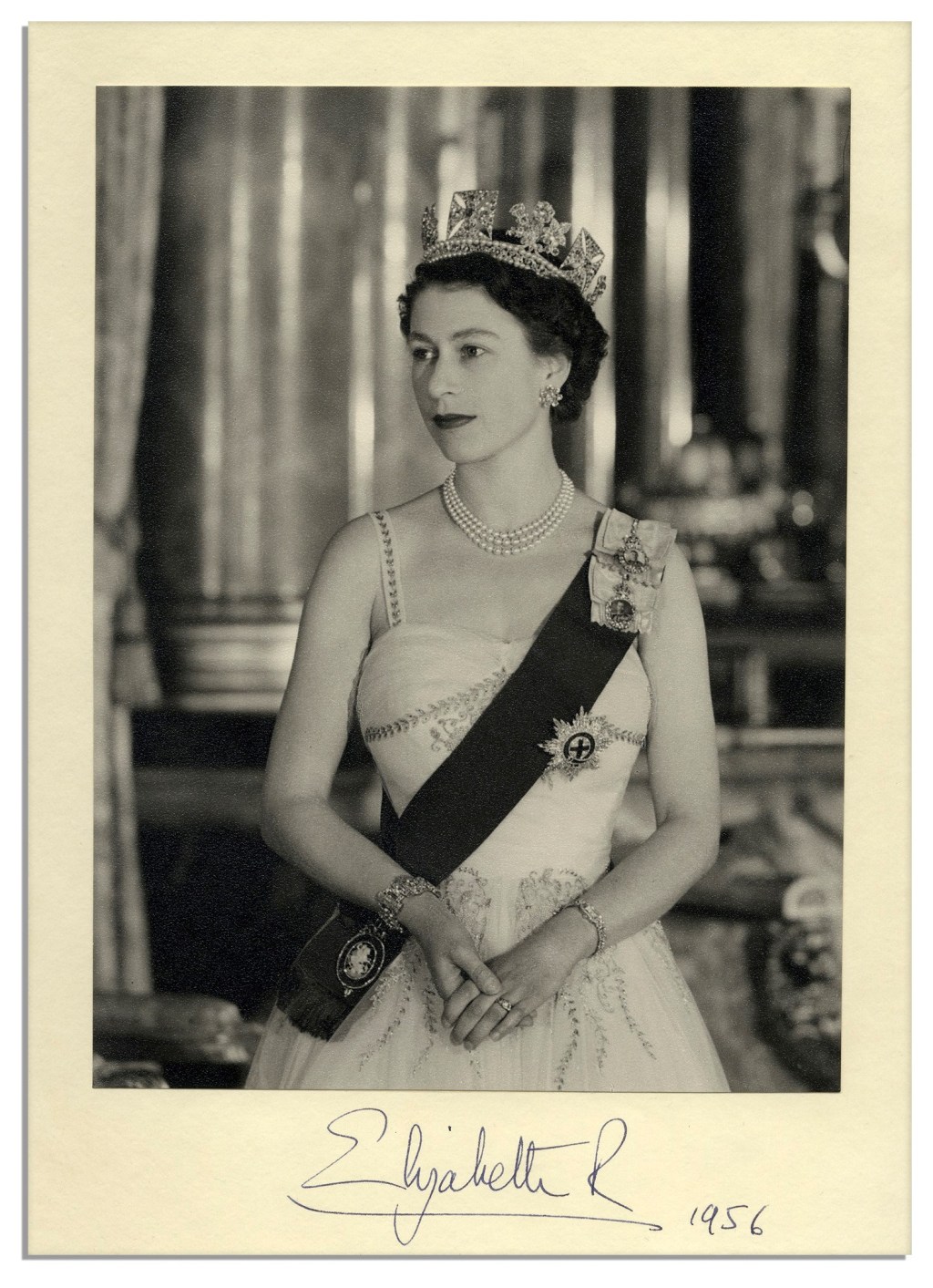
By Harry J. Mace (@harryjmace) The British Embassy in Stockholm, 1956: Jane Holliday was considering her resignation from the Diplomatic Service. Precipitated by her anger at the treatment of women and a burgeoning romantic relationship with a senior diplomat, Holliday felt it was time to work elsewhere. Having spent some time in Sweden as a…
-
22. Miss Merrifield’s Cricket Bat

By Georgia Oman In May 1876, Margaret Merrifield wrote a letter home to her mother from Newnham College, Cambridge, where she had arrived as a student the year before. The College itself had only been founded a few years earlier, in 1871, with five students living in a rented house in Regent Street, Cambridge. In…
-
24. The Stanwick Church Crucifixion

-
23. Cleaning teeth through the ages
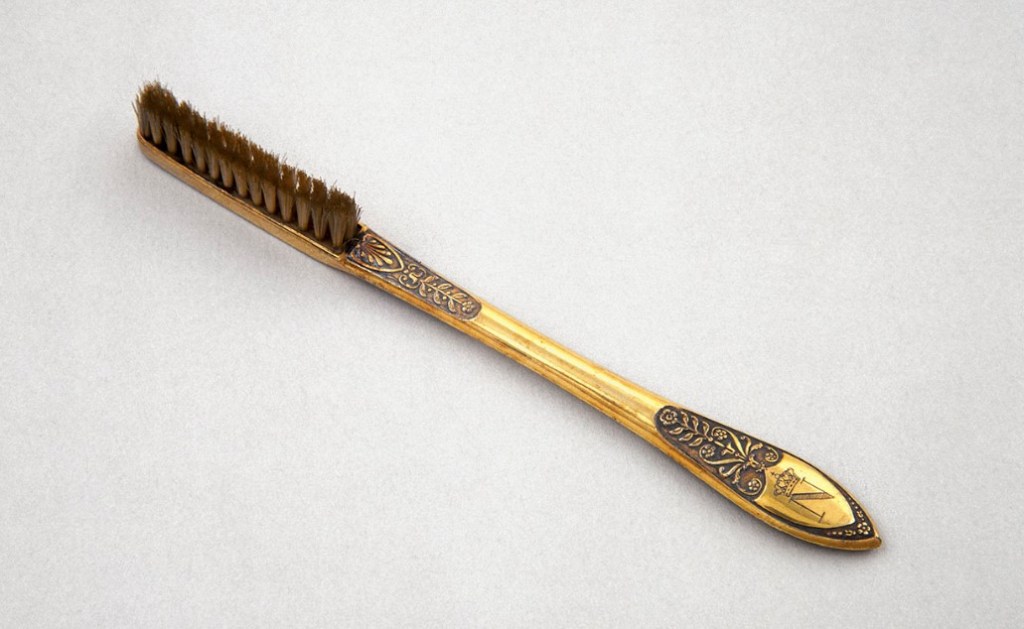
By Emily Redican-Bradford (efr27@cam.ac.uk) The first ‘toothbrush’ is thought to have been invented in China in the 1400s, when bristles from the necks of pigs were fixed onto bone or bamboo handles.[1] Before that, twigs were chewed on or split to form brushes and different flavours were used for freshening breath. The ‘modern toothbrush’ was…
-
“Separate but equal”? The challenges of life as an African American under Jim Crow

By Zack Rose (zr239@cam.ac.uk) Under the Jim Crow laws (1877-1950s), segregation based on race was legally justified in the United States.1 The key Supreme Court ruling in Plessy v Ferguson (1896) was that it was not unconstitutional to enforce racial segregation, so long as segregated facilities were “separate but equal”.2 However, it is well known…


