-
Serving ex-servicemen? Demobilisation schemes in India after the Second World War

By Mobeen Hussain (@amhuss27) The demobilisation of soldiers has always been fraught with questions regarding jobs, re-skilling, pensions, rehabilitation and transition into peace time society. Such challenges were particularly pronounced at the apexes of the First and Second World Wars due to the sheer scale of demobilisation.
-
Unconventional History: El Paso, Texas according to an early-twentieth-century postcard
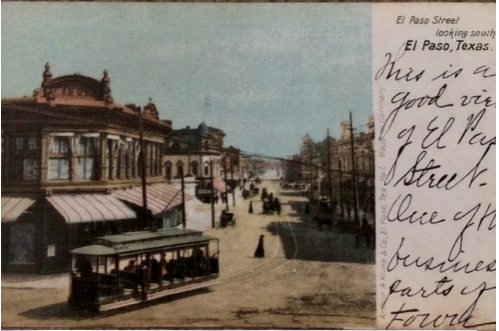
By Savannah Pine (@savannah_pine) El Paso, Texas (my hometown) features in the news frequently nowadays because of the migrant crisis and the administration’s desire to build a wall on the border between the United States and Mexico. The border, which lies along the Rio Grande, separates a large urban area into two cities: El Paso…
-
Revisiting the Visitor’s Book

By Clemency Hinton (@clemencyhinton) Have you ever left an online review after dining at a café or staying in a hotel? What about after a visiting a museum or a local heritage site? You probably left your comment for the benefit of future visitors or to get the attention of management, but that review may have…
-
Ghettoes to Gentrification: How Hollywood Shaped America’s Urban Imagination
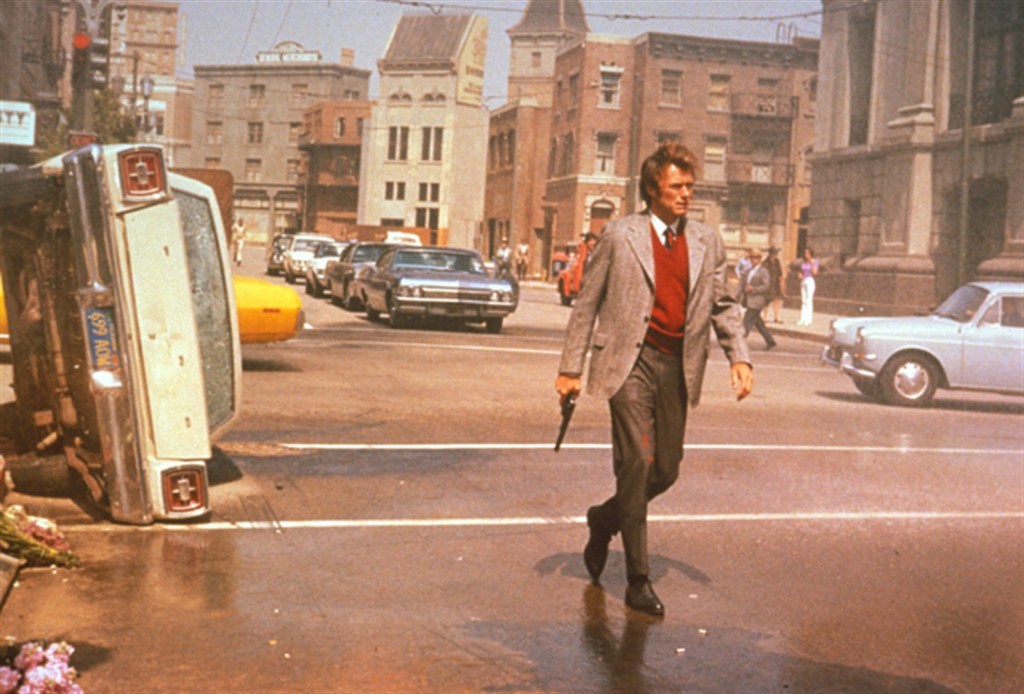
By Sam Collings-Wells (@Sam_cw_) ‘And they hide their faces / And they hide their eyes / Cause the city is dyin’/ And they don’t know why’. These lyrics from Randy Newman’s 1977 ‘Baltimore’—later made famous by Nina Simone’s justly celebrated cover—perfectly captured the spirit urban life during the mid-1970s. Historians would later pinpoint the variety…
-
Gallipoli and national memory

By Stephanie Brown (@StephEmmaBrown) On 22 May 1915, ‘a gay-hearted youth’, William Fielding Sames, sat outside his dug-out in Gallipoli (modern-day Turkey) drinking a cup of tea.[1] Even though he was just 22-years-old, William had been in the Army for five years, been promoted to Lieutenant and served in Egypt.[2] Yet, the decision to sit…

 doinghistoryinpublic.org