-
Virtual electioneering: echoes of the 1883 Corrupt and Illegal Practices Act
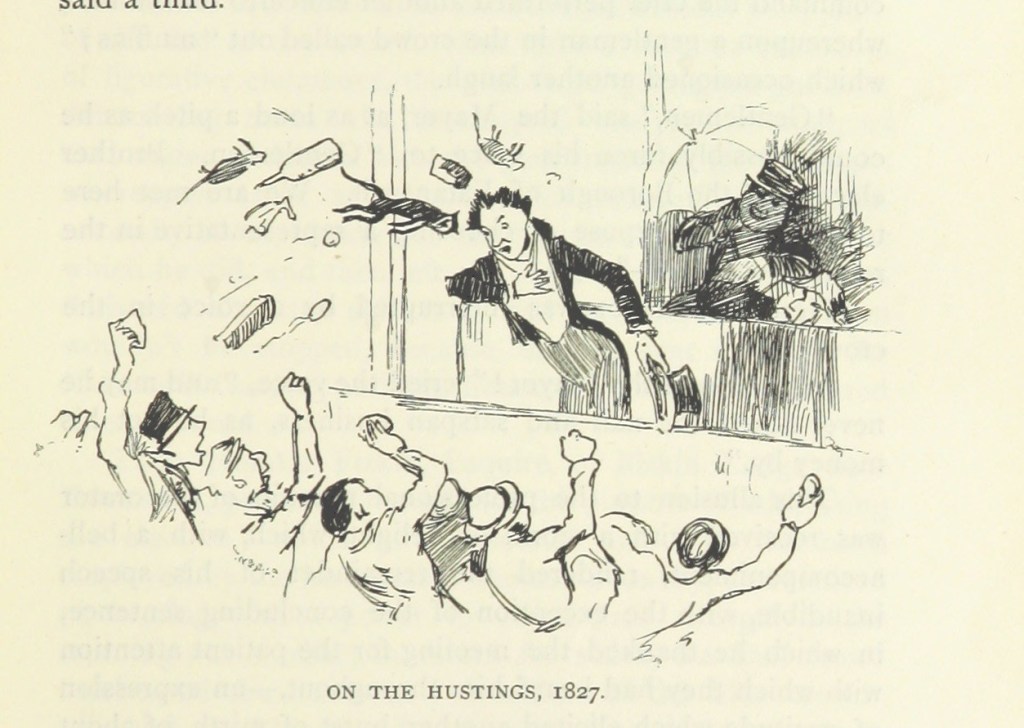
Helen Sunderland (@hl_sunderland) On Thursday, voters across the UK will head to the polls in the third general election in less than five years. This contest suggests numerous historical parallels. It’s the first December election since 1923 – an election which incidentally brought in Britain’s first ever (minority) Labour government under Ramsay MacDonald. Brexit continues to…
-
5. The Rogue’s Gallery

By Walker Schneider (@WalkerSchneider) Today crime-fighting relies on massive criminal databases. In the United States, this practice can be traced back to Gilded Age New York City and the Rogues’ Gallery, the great-grandfather of modern criminal databases. Deep within the New York City Police Department’s headquarters on Mulberry Street, the Rogues’ Gallery was a hulking…
-
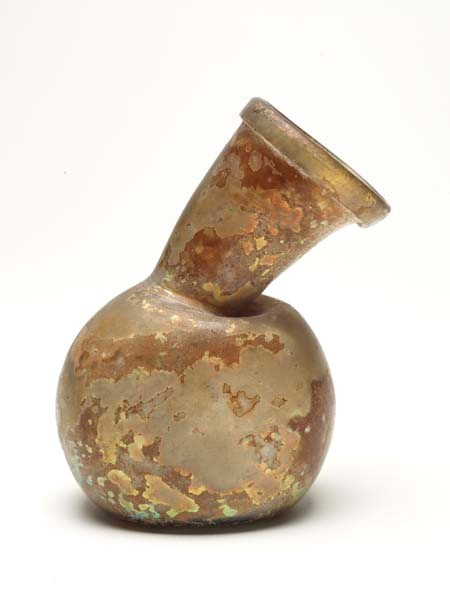
6. An Early Modern Urine Flask
-
7. A Jacobite Teapot

By Carys Brown (@HistoryCarys) This seemingly innocuous teapot has a seditious past. Painted with an image of Charles Edward Stuart (known to his supporters as “Bonnie Prince Charlie”), this was a Jacobite object. The Jacobites were those who, following the “Revolution” of 1688-9, when James II fled Britain and was replaced as monarch by William and Mary,…
-
8. A Long Rifle


 doinghistoryinpublic.org