-
9. Japan: the Pocket Guide

By Wonik Son Japan’s re-entry into tourism after World War II began on the day that sovereignty was restored, seven years after defeat. In 1952, the Japan Travel Bureau (JTB), the Japanese government’s corporate arm tasked with promoting and facilitating travel to the country, published two tourist books, a Pocket Guide and an Official Guide.…
-
10. Henry VIII’s Stamp
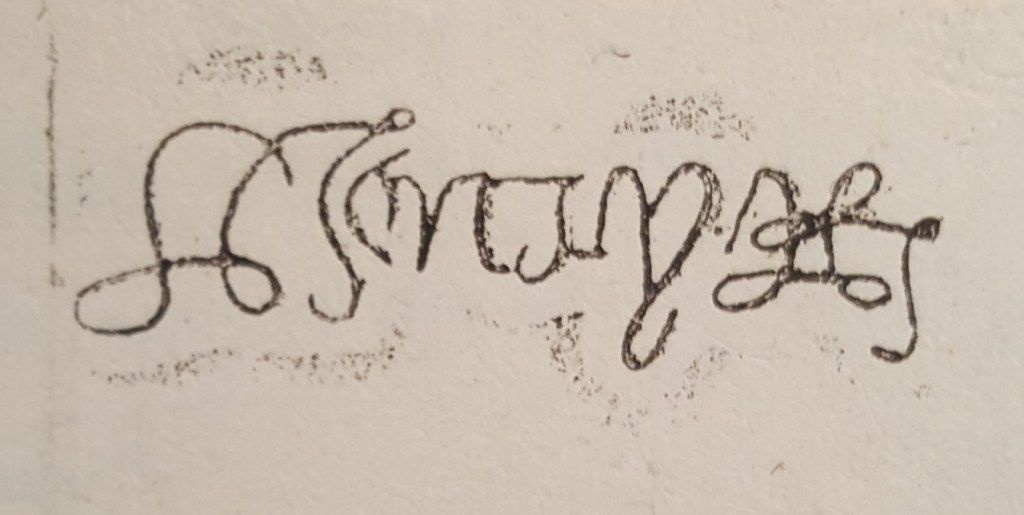
By Laura Flannigan (@LFlannigan17) It is well known that Henry VIII was not fond of paperwork. In 1519, he admitted to Thomas Wolsey that he found writing ‘somewhat tedius and paynefull’. Yet throughout his reign he was required to sign off financial accounts, grants, letters, and official orders. Shortly after Henry’s accession to the English throne…
-
11. Apprentice’s Hand-made Tools
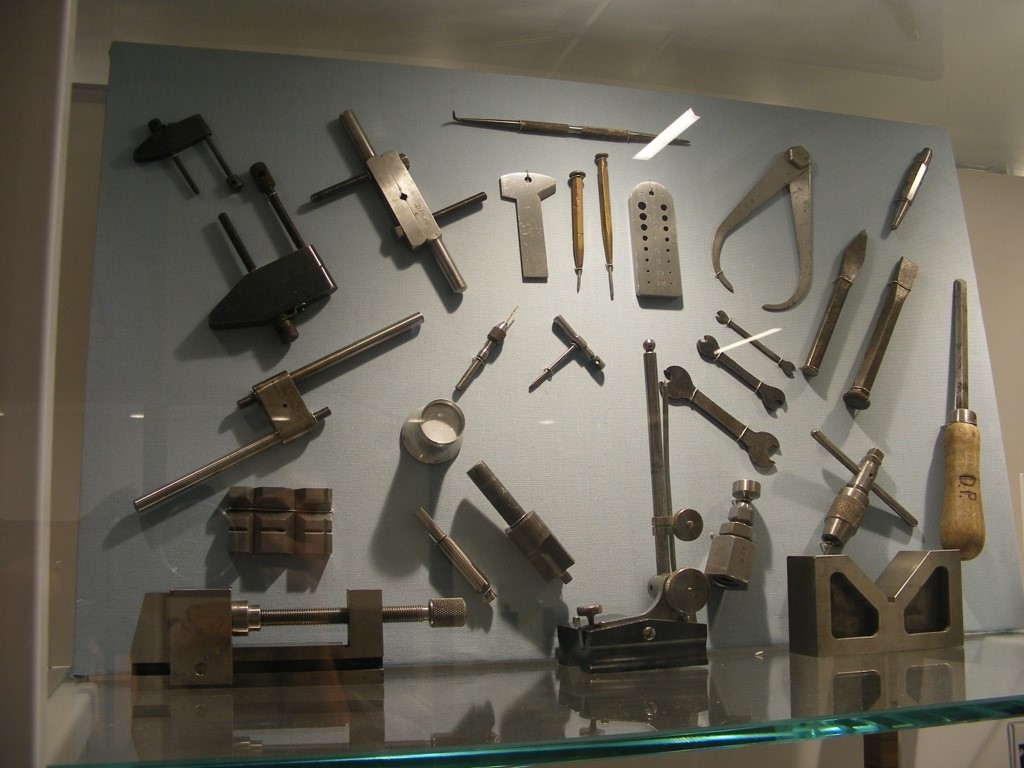
-
12. A Celluloid Comb
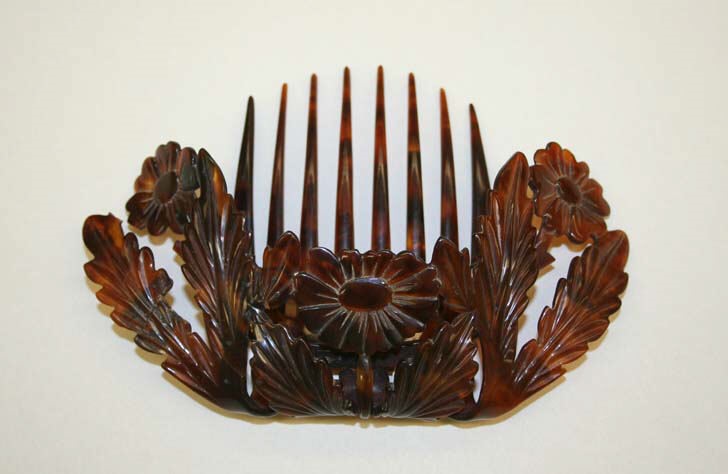
By Georgia Oman (@Georgia_Oman) In the late nineteenth century, celluloid combs were all the rage. ‘Few women consider their hair properly dressed nowadays unless they have at least three combs’, declared one newspaper in 1900.[1] An artificial thermoplastic first registered in 1870, celluloid’s easily mouldable nature made it a cheap replacement for more expensive materials such as…
-
16. Gandhi’s ‘Guide to London’
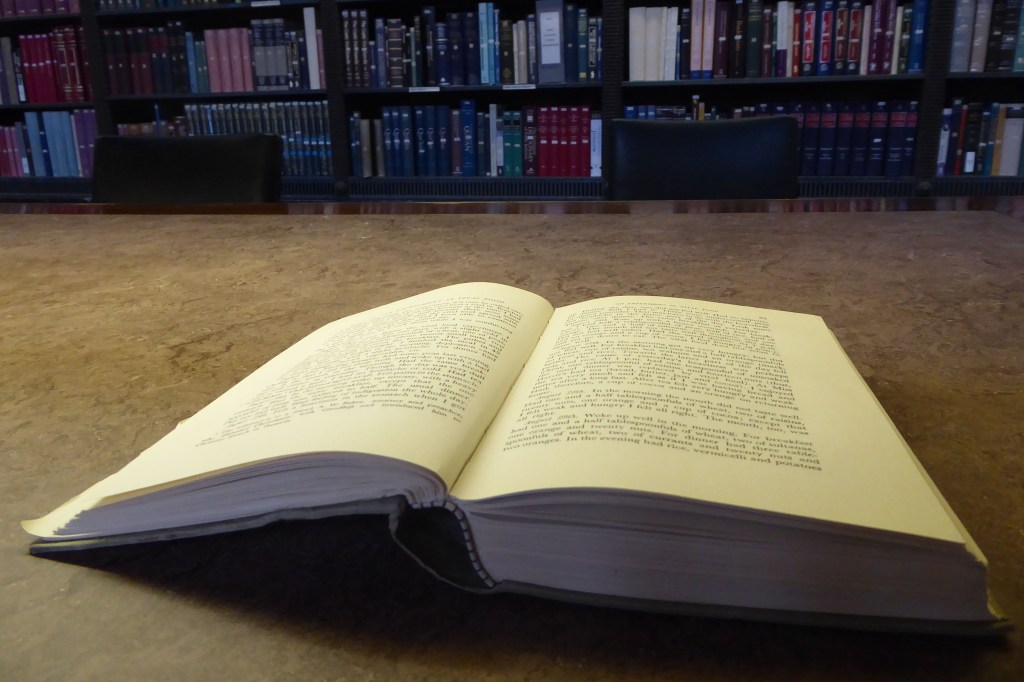
By Alex White (@alex_j_white) Travel literature can be invaluable to historians studying the dynamics of migration, tourism and cultural difference. However, they can be equally useful for shedding light on the interests and preoccupations of their own authors. This is certainly the case with Gandhi’s Guide to London, an unpublished booklet from 1893 written for…

 doinghistoryinpublic.org