-
21. Statue of the holy burial

By Savannah Pine (@savannah_pine) El Paso has two of the oldest Spanish missions in Texas. Both were founded in 1682 by Spanish Franciscans and converted Pueblos who fled Santa Fe for El Paso during the Pueblo Revolt of 1680.[1] One of the missions, la Misión de San Antonio de Ysleta del Sur, is still in…
-
24. The Contested Sari
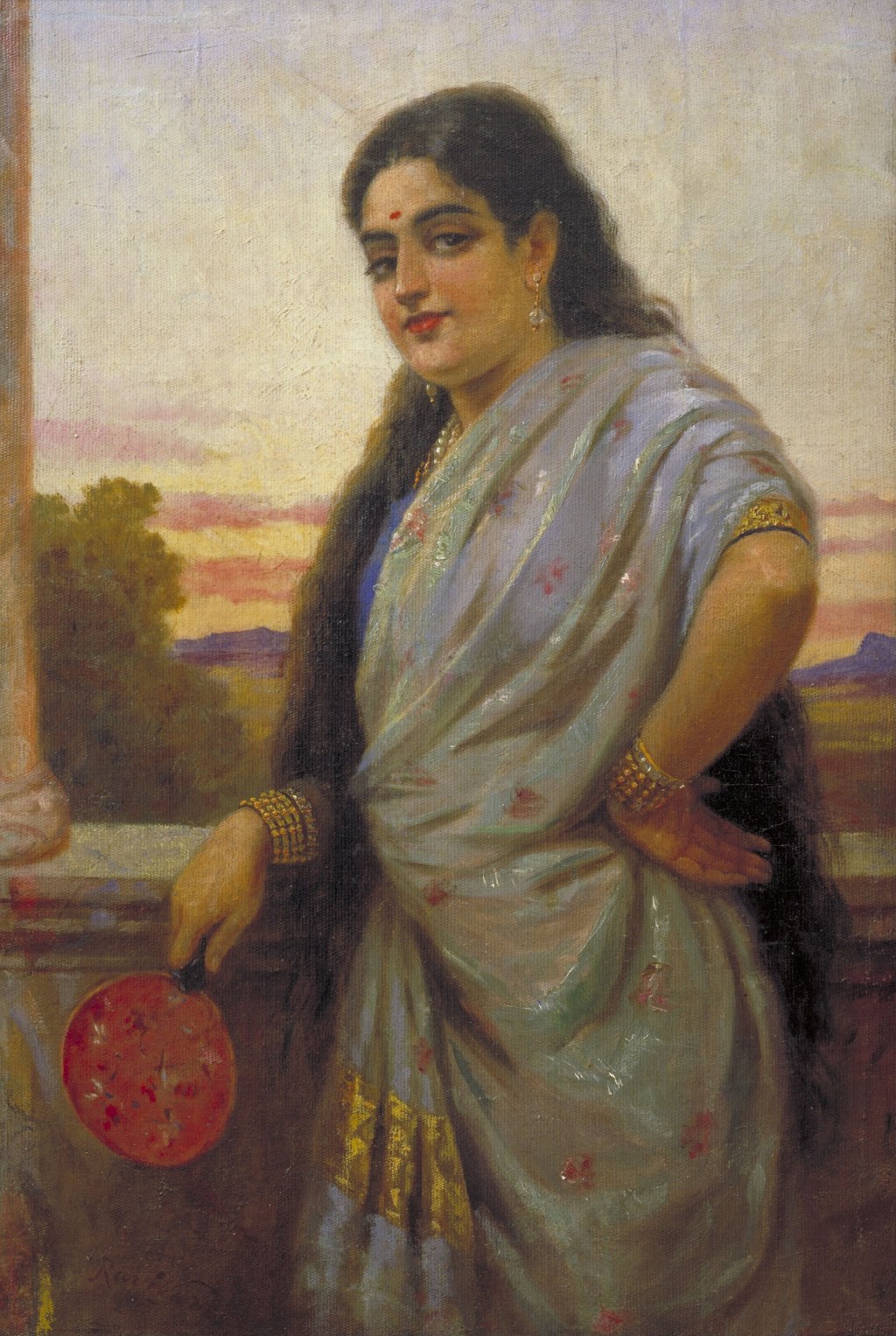
By Mobeen Hussain (@amhuss27) The sari as national dress was contested across the early twentieth century as people imagined visions of postcolonial national futurity. Amongst Indian Muslims, many scholars have identified an Islamisation in dress reform from the late nineteenth century. National, religious, regional and transnational modalities ceded into dress debates within various Urdu periodicals…
-
20. An Icelandic Executioner’s Axe

By Stephanie Brown (@StephEmmaBrown) This axe can now be found at the National Museum of Iceland in Reykjavik. It was used on 12 January 1830, to execute Agnes Magnúsdóttir, a maid, and Friðrik Sigurðsson, a farmhand, for their role in the murders of ‘womanizer’, Natan Ketilsson, and Pétur Jónsson, an unfortunate bystanding victim. The crime took…
-
18. Vigani’s Cabinet

By Xinyi Wen (@HPSWarburgian) Red, umber, carmine, massicot yellow, ultramarine… in a 15×15 inches humble drawer, 63 kinds of pigments constituted a vibrant, colourful world. Each pigment was held in a labelled paper box lining inside the wooden grid, indicating these ingredients’ mobility and their flexibility of spatial arrangement. This drawer, together with other 28…
-
22. Remora
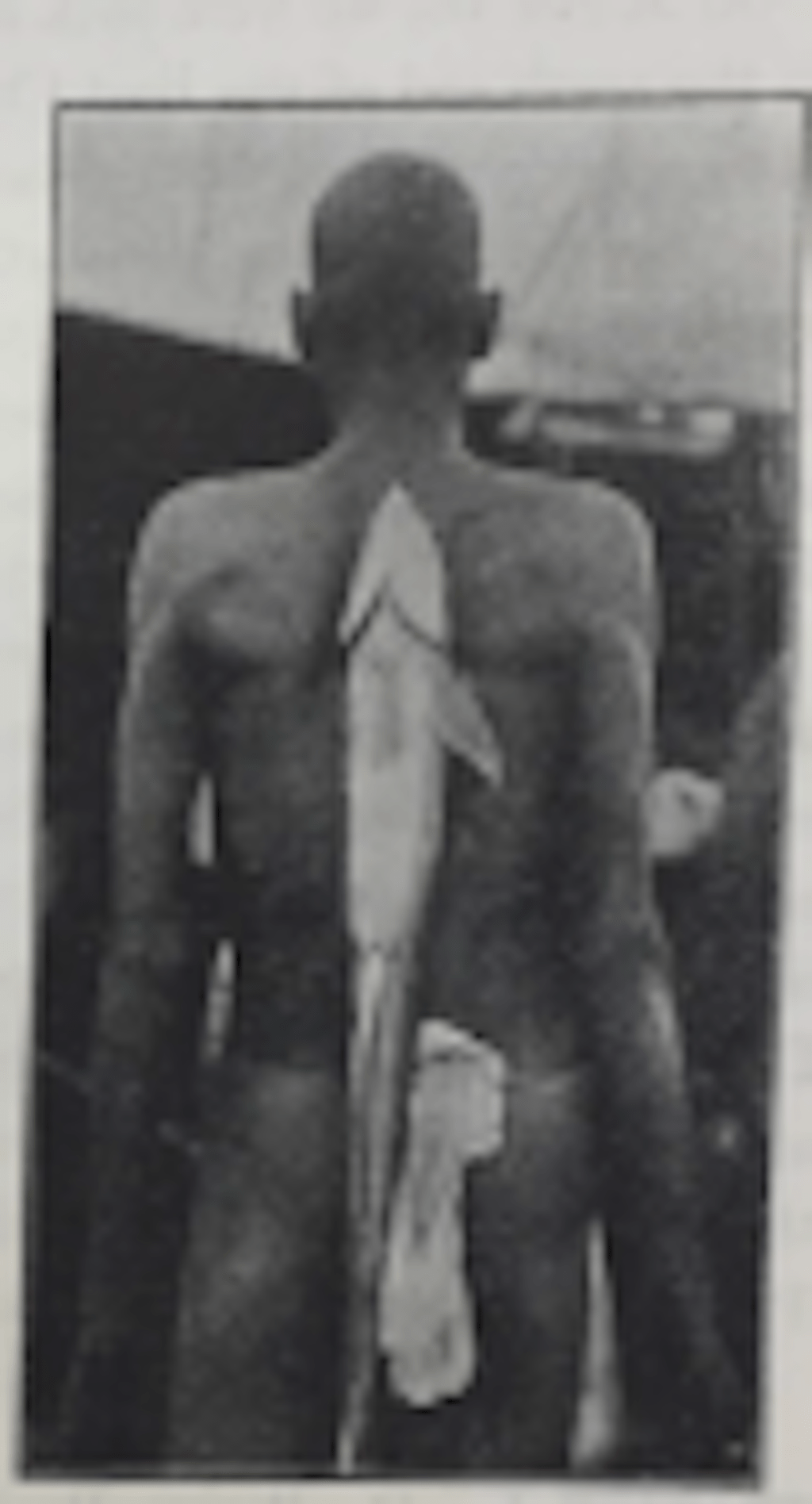
By Tamara Fernando (@TamaraFernando3) Before the 1920s, visual renderings of the seafloor largely relied on drawings and engravings. This was true even in places where bodies routinely inhabited the underwater, such as the pearl fisheries of Ceylon. Here, photography did play a role: on the shore and on the decks of colonial steamers, British administrators…

 doinghistoryinpublic.org