-
Replicating past mistakes? The Irish government, survivors, and the mother and baby homes report

Aoife O’Leary McNeice (@aolmcn) On January 13 2021 the Irish Taoiseach Michéal Martin made a public apology to the survivors of mother and baby homes. ‘It is the duty of a republic’ he said, ‘to accept parts of our history which are deeply uncomfortable’. Martin’s predecessors made similar apologies. In May 1999, then Taoiseach Bertie…
-
The Challenges of Writing ‘Vernacular’ Histories
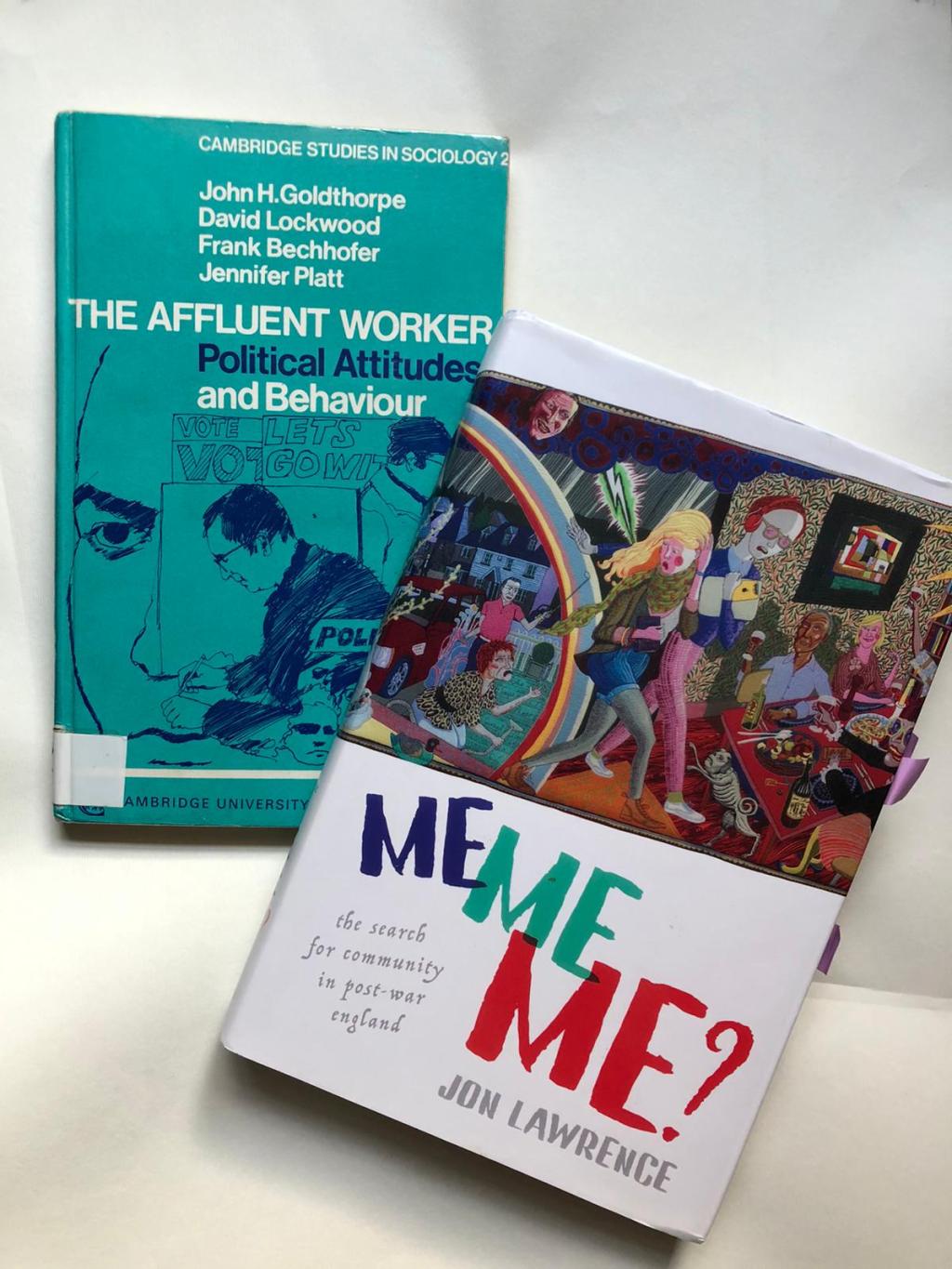
By Rebecca Goldsmith (@rebeccagold123) The desire to recover ‘lost voices’ in the archives is by no means a new impulse. It has underpinned entire fields and ‘turns’ in the historical discipline. Nevertheless, there is something new in the recent attempts made by scholars in modern British history to recover the ‘vernacular’. Historians spanning Jon Lawrence,…
-
Helen Sunderland – Historian Highlight

-
‘In Defense of Clara’: Contestation of the Female Body in the Spanish Anarchist Press

By Sophie Turbutt (@Sophie_Turbutt) When twenty-year-old Federica Montseny advertised her first full-length novel, La Victoria, in her parents’ Spanish anarchist journal La Revista Blanca in 1925, she hardly could have imagined the drama that would unfold in its wake. Certainly, La Victoria was a deliberately provocative book. Its romantic plotlines flew in the face of expectation – even by some…
-
Who liberated Belgrade – and who cares who liberated Belgrade?

By Helena Trenkić (@helenakic) In 1948 Tito’s Yugoslavia was expelled from the alliance of Marxist-Leninist parties known as Cominform. In the aftermath of the Tito-Stalin split, the narrative of who liberated Yugoslavia at the end of the Second World War – and in particular who liberated the capital, Belgrade – became hotly-contested history.

 doinghistoryinpublic.org