-
Muhammad Suhail Bin Mohamed Yazid – Historian Highlight
By Muhammad Suhail Bin Mohamed Yazid, interviewed by Alex White (@alex_j_white) Historian Highlight is a new series sharing the research experiences of historians in the History Faculty in Cambridge. We ask students how they came to research their topic, their favourite archival find, as well as the best (and worst) advice they’ve received as academics…
-
COP26 and the Fragility of Climate Knowledge

By Isobel Akerman (@isobelakerman) On Sunday 31st October 2021, the 197 signatories of the United Nations Framework Convention on Climate Change will gather in Glasgow to discuss the biggest issues facing our planet.[1] The 26th Conference of the Parties [COP26] is a two-week conference, designed for nations to negotiate climate adaptation, mitigation, science, technology, finance,…
-
Striking Gold in the Archive: Goldsmiths’ Hall
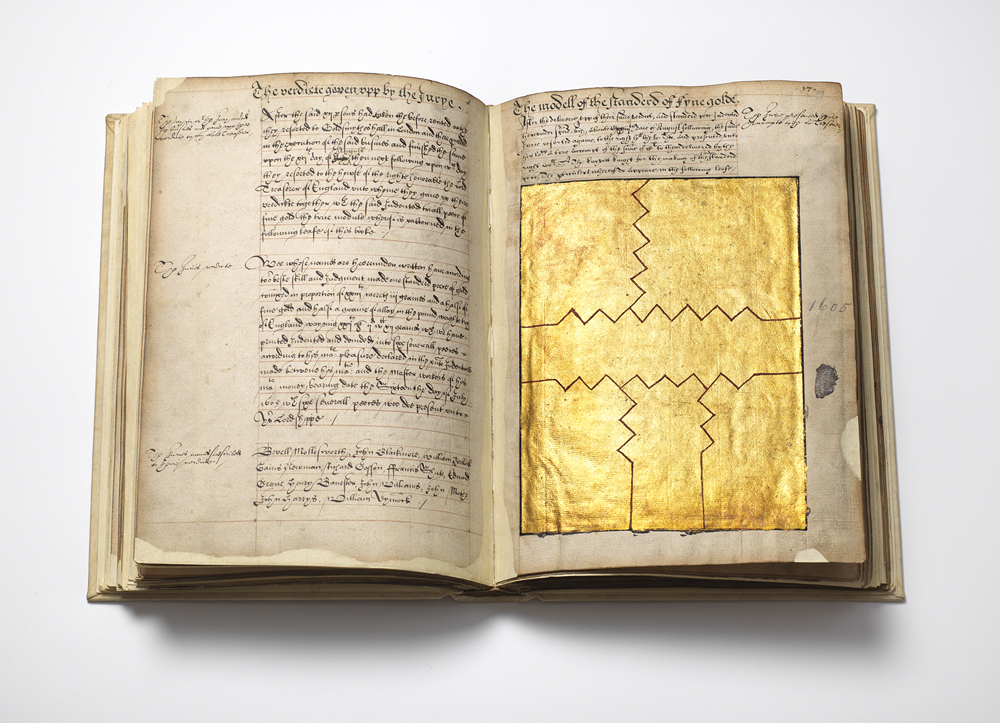
By Kirsty Wright (@BeingKirst) Perhaps ironically in a year when access to archives has been restricted, my research shifted direction to examine the materiality of early modern records and record-keeping. In the summer when I was able to return to The National Archives, I spent some time sifting through different boxes for relevant material and…
-
The Book of Nunnaminster as Digital Reproduction and Material Object

by Kate R. Falardeau (@kate_falardeau) In March 2020, I was preparing to visit the British Library to examine the Book of Nunnaminster (London, British Library, MS Harley 2965) for my MPhil dissertation when the first Covid-19 lockdown began.[1] I’ll be honest— during those first few weeks of lockdown, the accessibility of research material for my…
-
Saving Face? Masculine Prowess and Facial Wounds in Medieval Christendom

By Fiona Knight (@fionalillian_) Sarah Covington writes that the wound of a soldier is not only an ‘embodied record of warmaking’, enshrining the conflict in memory, but also a locus of the soldier’s identity, representing ‘heroism, personal shame, or public burden’.[1] Facial wounds have a unique status in this regard, especially in relation to masculinity…

 doinghistoryinpublic.org