-
‘Hither page and don my tiara’
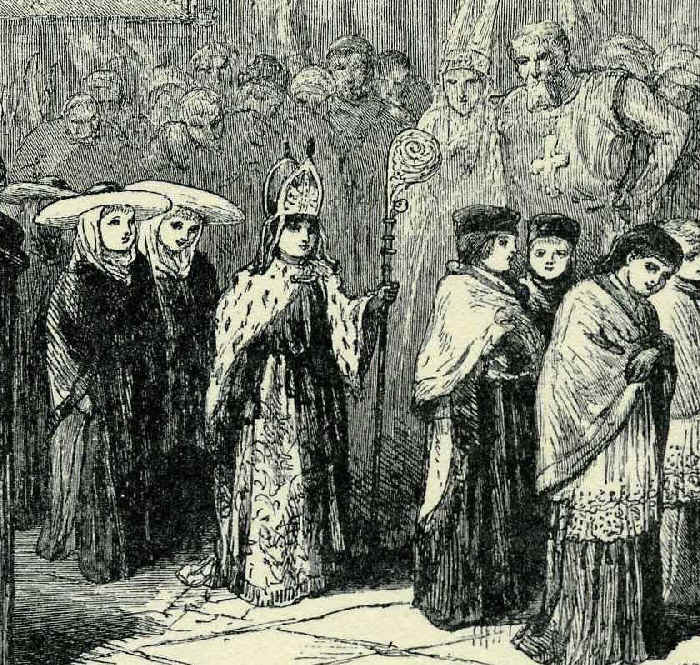
Deposuit potentes de sede et exaltavit humiles Tales of Puritan… well… puritanism, are usually a popular topic of conversation this time of year (especially among certain subsets of the population). Christmas in sixteenth and seventeenth century England was a rather sparse affair with fewer and fewer ‘lords of misrule’ and (ostensibly) more and more ‘cleaning-the-feet-of-the-poor-ers’.…
-
Holiday Gifting and Social Power in Early Modern England
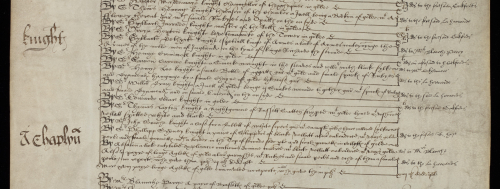
By Marlo Avidon (@marloavidon.bsky.social) While today, families gather around the tree to open gifts on Christmas morning, in sixteenth and seventeenth-century England Christmas Eve and Day were a comparatively solemn affair. That did not mean, however, that families, friends, and their patrons did not exchange gifts over the holidays! Rather than Christmas morning, New Year’s…
-
8. Frankincense in Early Modern Europe

by Tiéphaine Thomason (@teaphaine) This is the first post in a three-part series for the Doing History Advent Calendar on the history of the senses and the gifts of the Magi. When first drafting this post, I had written something short about the role of frankincense and its scent in early modern churches. Just as…
-
The Winter of Discontent: Towton, 1461

By Ben Oldham (bo286@cantab.ac.uk) Picture a medieval battlefield. A mudbath littered with writhing corpses is usually what springs to mind – but what if that ground was frozen? A hail of arrows was a common sight against English armies – but what of a blizzard of ice? What exactly did a winter campaign look like?…
-
The Welsh Dadolwch and Princely Favour

By Kit Treadwell (ct578@cam.ac.uk) Dating from the middle of the twelfth century to the middle of the thirteenth, seven Welsh poems bear the title element dadolwch (appeasement, reconciliation).[1] These seven poems — unique enough to bear their own genre term — may well belie a larger but inextant tradition. Regardless, working with what we have reveals the pitfalls…

 doinghistoryinpublic.org