-
Michael Boym’s Illustrated Magna Cathay and Gushi Huapu, the Chinese Source of the Images
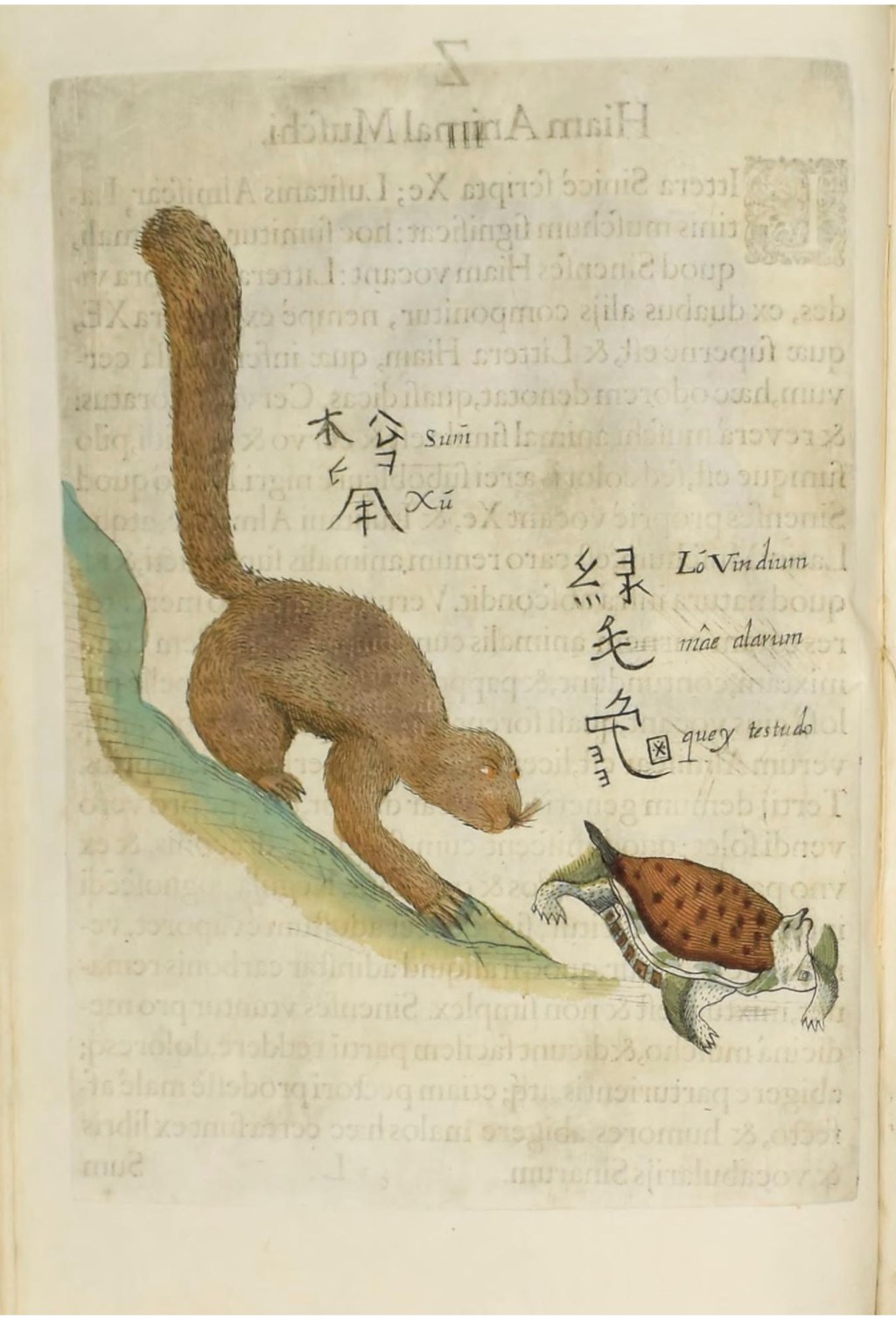
By Eszter Csillag Held at the Vatican Library, Magna Cathay (Borg. Cin. 531) is a never-printed map of China illustrated by the Polish Jesuit Michael Boym (1612–1659) when he returned to Europe from China. This map was part of a larger cartographical enterprise of the Jesuit order in the seventeenth century, when mapmaking was seen as one of the…
-
Rebecca Turkington – Historian Highlight

Rebecca Turkington (@rcturk), interviewed by Alex White (@alex_j_white) Historian Highlight is an ongoing series sharing the research experiences of historians in the History Faculty in Cambridge. We ask students how they came to research their topic, their favourite archival find, as well as the best (and worst) advice they’ve received as academics in training. History…
-
The Crisis in Ukraine and the Making of Modern British Foreign Policy

By Niles Webb During the Ukrainian crisis, the British government has taken a position distinct in key regards from its European counterparts. London seems more closely aligned with Washington’s position than Germany and less willing than France to recognise Russian security concerns regarding NATO. Why? Johnson has defined Britain’s position as the defence of the…
-
The ‘Monstrous Regiment of Women’: The Paradox of the Masculine-Female Monarch
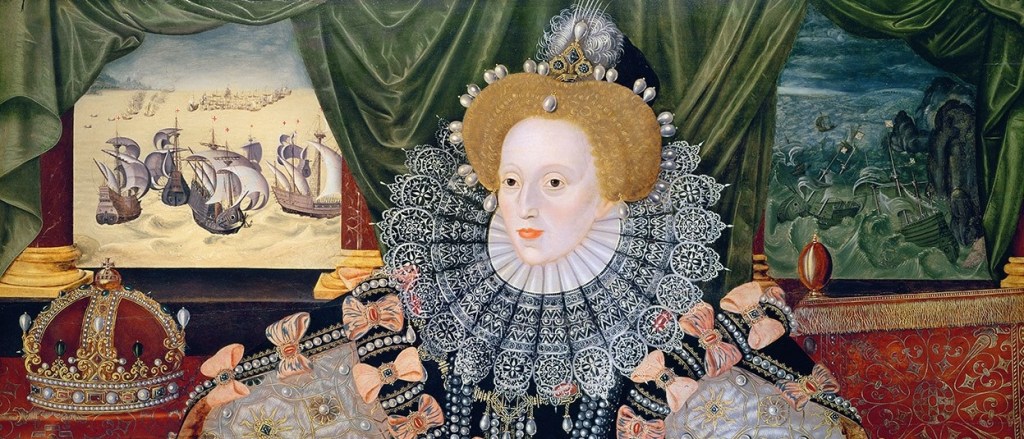
By Megan Chance “Weake, fraile, impacient, feble and foolish…unconstant, variable, cruell and lacking the spirit of counsel and regiment.” [1] John Knox wrote “How abominable before God is the Empire or Rule of a wicked woman” [2] because “Woman in her greatest perfection was made to serve and obey man, not to rule and command…
-
“Steel their Bodies and Minds” – How the Wandervogel reconciled nature with modernity

By Charlotte Alt Life in Germany at the turn of the twentieth century was an overwhelming experience. Modernity by then had arrived in full force: cities exploded with masses of people, and modern innovations like the telegraph and railway drastically changed the pace of everyday life. As urban spaces appeared increasingly overstimulating, people began to…

 doinghistoryinpublic.org