-
6. The 1667 Peace of Breda Medal

By Marlo Avidon (@MarloAvidon) Housed among the Fitzwilliam Museum’s many treasures is this 1667 medal by Jan Rottiers, commissioned to celebrate the Peace of Breda and the end of the Second Anglo-Dutch War. The front of the medal features Britannia, the personification of Britain, holding a spear and gazing at the departing ships of the British…
-
7. A Book of Memory from Medieval Alsace

By Kate Falardeau (@kate_falardeau) Columns prop up a detailed architectural façade. To the left of the composition, the zodiac sign Capricorn emerges from a hypnotic spiral. To the right, a proclamation seems to be issued. The scroll, held by a ruler and an anxious looking man, actually contains a regimen to be followed during January…
-
8. Murals in Contemporary Northern Ireland
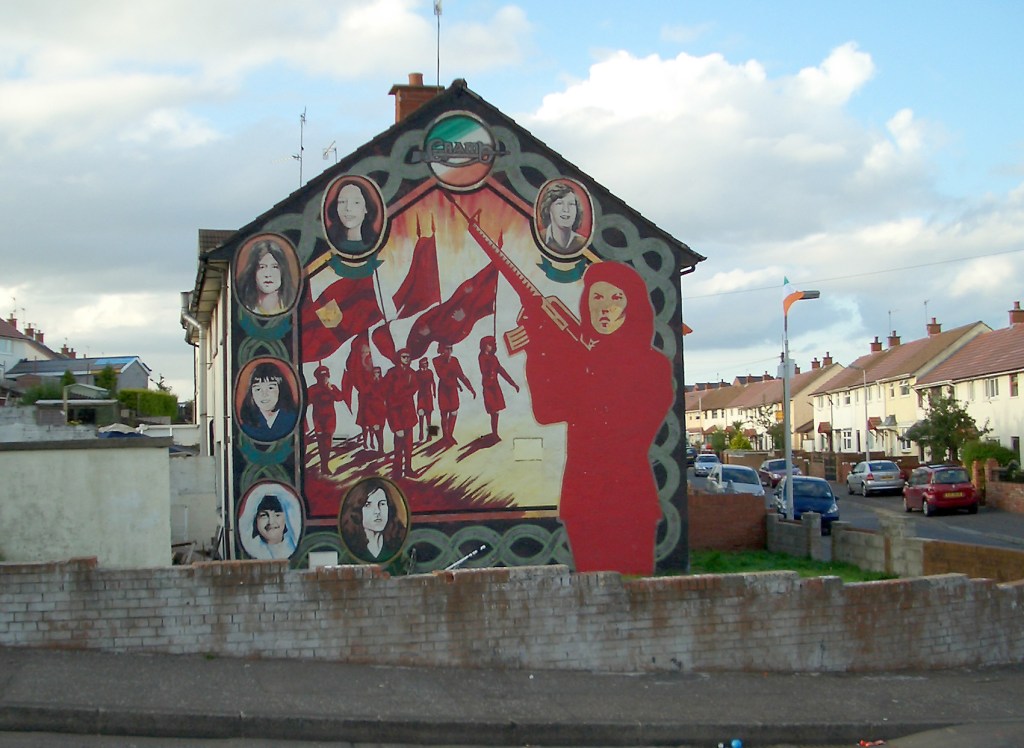
By Shea Murphy Murals have a long history in Northern Ireland of being used as a means of political vocalization and protest. Belfast and Derry city streets are lined with these artistic representations. The subject matter of these murals often centers around the sectarian divisions within these communities and they are ever changing, continually being…
-
9. Nazi Broadcasts to Colonial Africa

By Alex White (@alex_j_white) In August 1935, an officer of the Nigerian civil service sent an unusual pamphlet to the British Colonial Office. Printed in English and German, it provided listings and technical information for a new radio service aimed at listeners in Africa.[1] Like many ‘empire’ broadcasters of the 1930s, the service promised to…
-
10. A Portrait of Dr Charles Russell
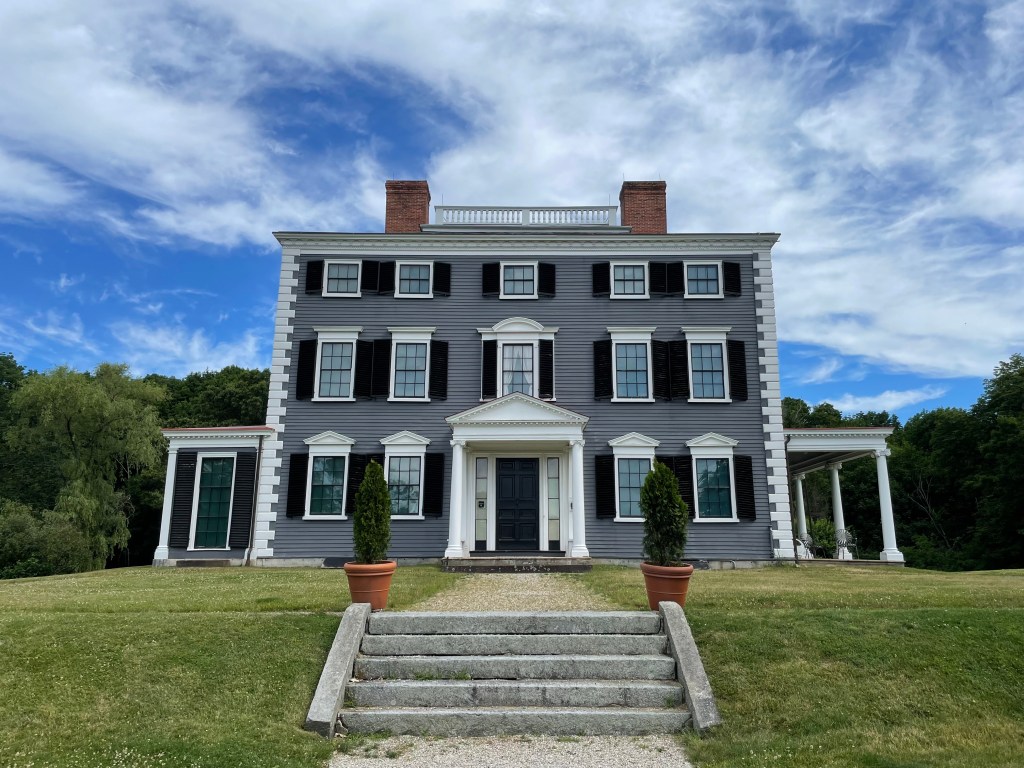
By Shea Hendry Prior to the American Revolution, Dr Charles Russell of Massachusetts owned a thriving medical practice in Charlestown and a sprawling country estate just south of Concord. Direct evidence of Dr Russell’s political leanings is fragmentary prior to the British Army’s ill-fated march into Lexington on April 19, 1775, though as his obituary…

 doinghistoryinpublic.org