-
17. A Pomegranate

By Stephanie Brown (@StephEmmaBrown) The pomegranate has had many religious, mythical, and political connotations. It was associated with Katharine of Aragon due to her position as a Spanish princess. Born in 1485, she was a child when her parents, King Ferdinand II and Queen Isabella, conquered Granada, which is the Spanish word for pomegranate. The…
-
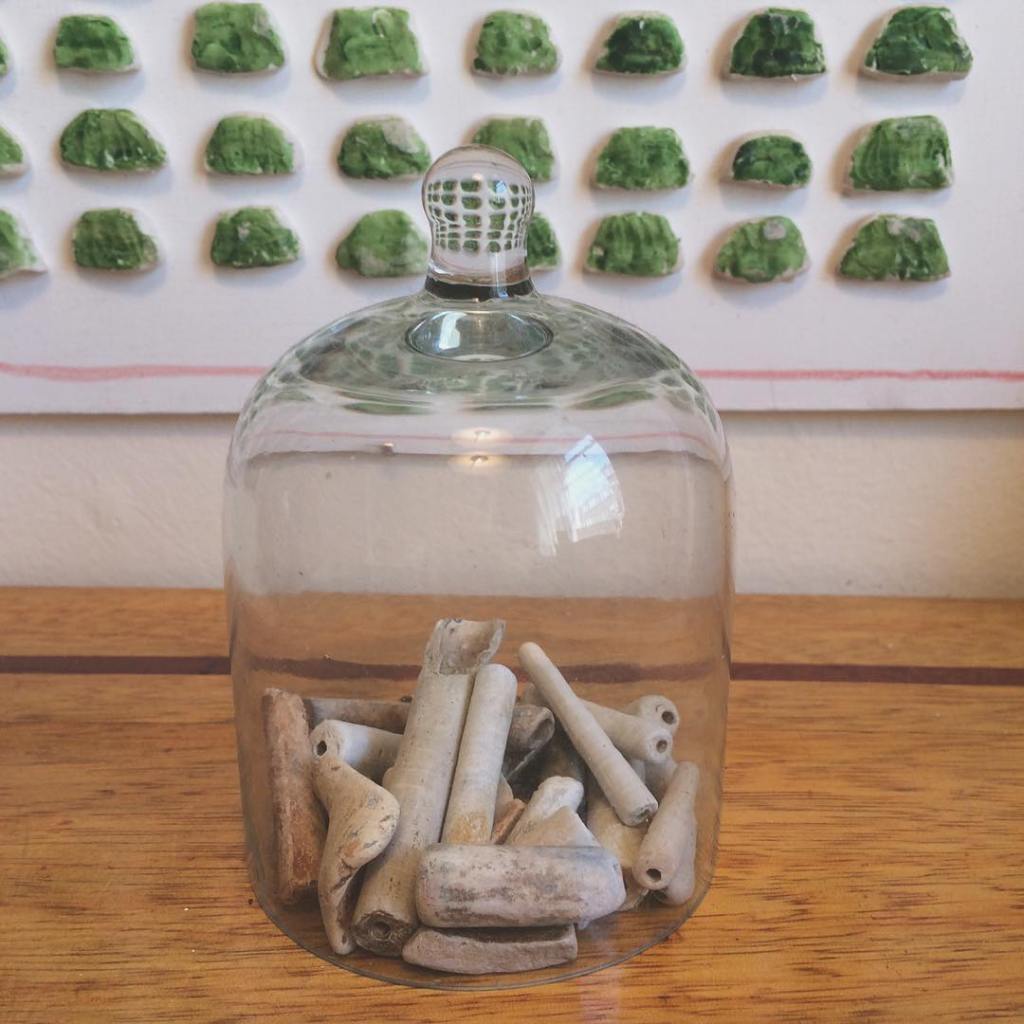
18. Fragments of Clay Pipes found on the Banks of the River Thames
-
19. James Steuart’s box of oysters at the Museum of Natural History (1868)

By Tamara Fernando (@TamaraFernando3) The historians’ job is akin to the detectives’: we ferret out clues, evaluate evidence and make deductions. But what do we do when trails run cold? My doctoral research is on the pearl fishery in the Gulf of Mannar. Sometime between 1820 and 1830, the painter Hippolyte Silvaf made twelve water-colours…
-
20. An Entry for Refuge: the Khoja caravanserai door

By Taushif Kara (@taushif) Of the many ornate wooden doors spread throughout Zanzibar’s ‘stone town’ – and there are many – the one I find the most intriguing, and indeed the most beautiful, is the door to the Khoja caravanserai, built in 1892. The door itself opens to a musafarkhana, a hostel of sorts, meant…
-
23. Cleaning teeth through the ages
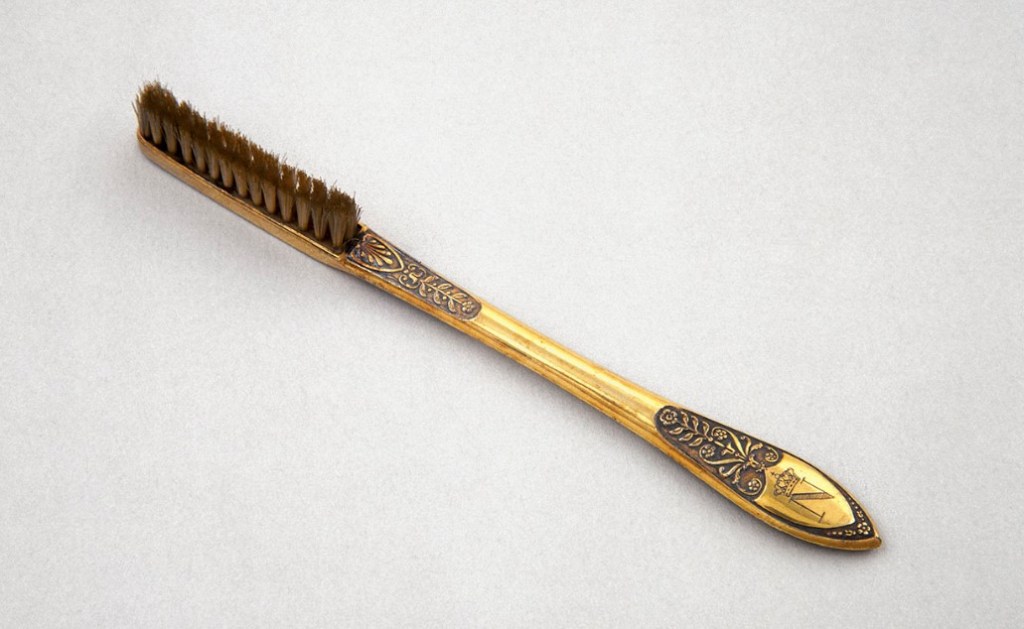
By Emily Redican-Bradford (efr27@cam.ac.uk) The first ‘toothbrush’ is thought to have been invented in China in the 1400s, when bristles from the necks of pigs were fixed onto bone or bamboo handles.[1] Before that, twigs were chewed on or split to form brushes and different flavours were used for freshening breath. The ‘modern toothbrush’ was…

 doinghistoryinpublic.org