-
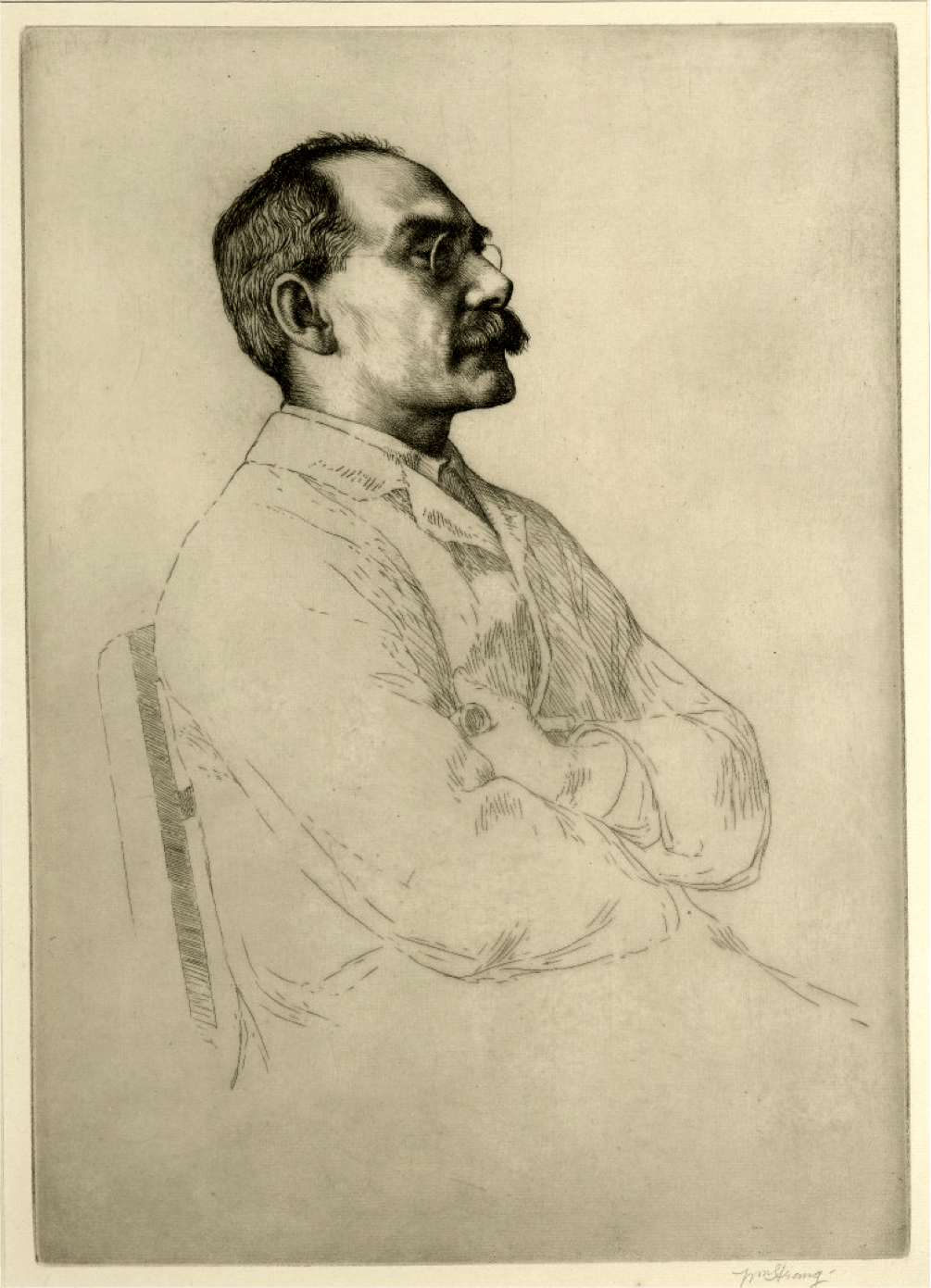
Revisiting Kipling’s Kim
-
Capturing the Raj: visual narratives of British India
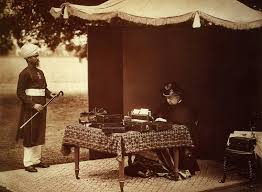
By Mobeen Hussain | @amhuss27 In the last few years, there has been a resurgence of period adaptations based on the British in India. This spat of television and film productions depicts particular historical narratives that romanticise the British Empire and hark back to the good-old-days of British imperialism. Indian Summers (2015), Victoria and Abdul…
-
Cherry-picking the past: empire through a public lens

By Liam Grieve @LiamGrieve4 For all academia’s ‘independence’, historians remain tied to one immortal axiom: the past serves at the pleasure of the present. In this sense, history is underpinned by an informal social contract. Yet what happens when the terms of this contract are rewritten without the historian’s consent? Spike Lister recently did a…
-
A familiar tune: the Proms affair highlights Britain’s reluctance for critical self-reflection

By Daniel Adamson (@DanielEAdamson) Controversy was caused by the recent announcement that orchestral versions of Rule, Britannia! and Land of Hope and Glory would feature at the Last Night of the Proms, in a break with the traditional singing of the anthems. Eventually, this decision was reversed by the BBC. According to the broadcaster, the…
-
The Unbearable Failure of Looking

By Ivana Dizdar (@ivana_dizdar) An Arctic seascape. A shipwreck. Polar bears devouring human flesh. This is the scene British artist Edwin Landseer depicts in his 1864 painting Man Proposes, God Disposes. The action takes place within a landscape of glaciers and ice: cold, hard, and jagged. The environment is inhospitable and threatening, just like the feast…

 doinghistoryinpublic.org