-
Collecting for Good Causes in Seventeenth-Century England

By Jacob F. Field (@jakeishistory) Charitable giving is an intrinsic part of contemporary British society. In 2017 the total amount given to charity in the United Kingdom was £10.3 billion, with the most popular causes being medical research, animal welfare, children or young people, hospitals and hospices, and overseas aid and disaster relief.[i] Early modern…
-
Playing the Blame Game: Divorce Then and Now

By Georgia Oman (@Georgia_Oman) When Parliament was suspended this September, several bills making their way through the Commons and Lords were dropped. Although three pieces of legislation were carried over to the next session, the remainder fell into a legal limbo, with their only hope of resurrection being that the government would choose to re-introduce them…
-
Levelling, enclosure, and coronavirus

-
A familiar tune: the Proms affair highlights Britain’s reluctance for critical self-reflection

By Daniel Adamson (@DanielEAdamson) Controversy was caused by the recent announcement that orchestral versions of Rule, Britannia! and Land of Hope and Glory would feature at the Last Night of the Proms, in a break with the traditional singing of the anthems. Eventually, this decision was reversed by the BBC. According to the broadcaster, the…
-
6. Womanopoly
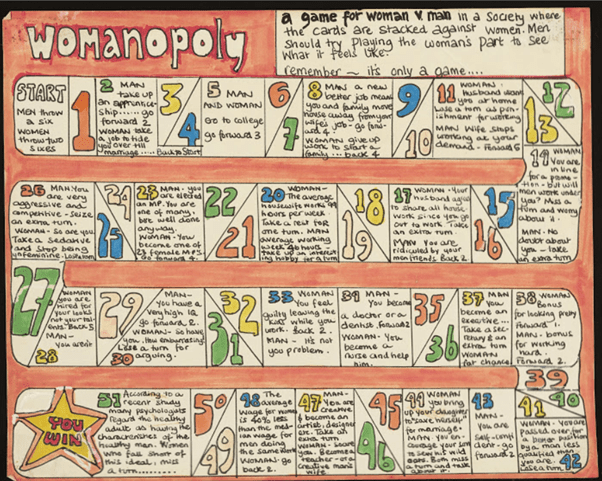
By Rebecca Goldsmith (@rebeccagold123) Womanopoly, a board game created by activist and writer Stella Dadzie in the late 1970s, offers an unusual yet productive entry-point for examining late twentieth-century British feminism. The game moves through the life-stages of education, work, politics and the home, in each case capturing the contrasting experiences of men and women;…

 doinghistoryinpublic.org