-
Gospel truth? History and the writing of the New Testament

By Robert Evans @R_AH_Evans This Sunday, millions around the world will gather to celebrate Easter. They will listen to historical documents written almost two thousand years ago, purporting to describe the last hours, death, and physical resurrection of Jesus of Nazareth, a religious teacher from first-century Palestine. Those events, and the documents which supposedly describe them,…
-
Reformation parallels: the case of Gottschalk of Orbais
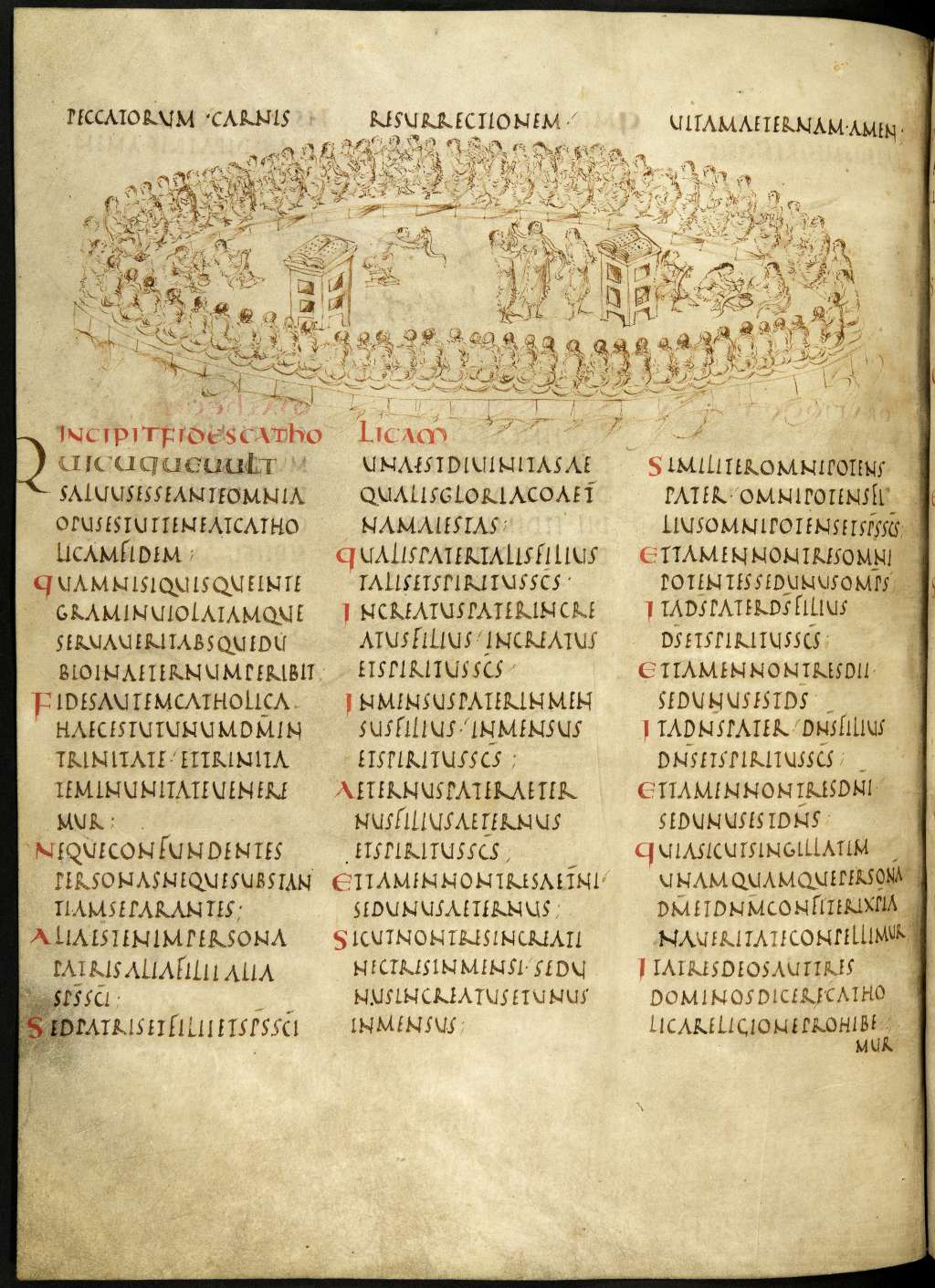
By Robert Evans @R_AH_Evans Five hundred years ago this October, the German monk, Martin Luther (probably) nailed his famous 95 theses to Wittenberg’s cathedral door. This sparked a lengthy and complex process of religious transformation across Europe. Luther’s views continue to have consequences for the modern world and as this anniversary approaches, there are many questions…
-
5. Lieve Verschuier’s ‘Tail Star (Comet) over Rotterdam’

By Lavinia Gambini (https://cambridge.academia.edu/LaviniaGambini) For early modern contemporaries, comets were not only associated with the birth of Christ. Comets possessed an eschatological dimension and had often been considered signs of imminent catastrophes, such as the Thirty Years’ War.[1] The celestial phenomenon also retained its apocalyptic dimension in the ‘Scientific Revolution’, when in Cambridge the Lucasian…
-
Vampires, Ghosts, and Spirits on Santorini: The Affectivity of a Sulphuric Landscape

By Lavinia Gambini (@GambiniLavinia) Today known for its luxury tourism, high-end ‘destination weddings’, and romantic ‘Instagrammability’, Santorini was for seventeenth-century Westerners a ‘demonic’ island.[1] Early modern travellers to the Aegean encountered an unsettling landscape: they met a fragmented island torn into pieces by the many seismic and volcanic activities that had struck Santorini throughout…
-
Saving Face? Masculine Prowess and Facial Wounds in Medieval Christendom

By Fiona Knight (@fionalillian_) Sarah Covington writes that the wound of a soldier is not only an ‘embodied record of warmaking’, enshrining the conflict in memory, but also a locus of the soldier’s identity, representing ‘heroism, personal shame, or public burden’.[1] Facial wounds have a unique status in this regard, especially in relation to masculinity…

 doinghistoryinpublic.org