-
Capturing the Raj: visual narratives of British India
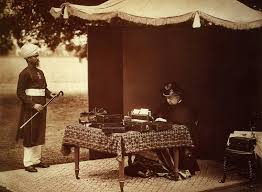
By Mobeen Hussain | @amhuss27 In the last few years, there has been a resurgence of period adaptations based on the British in India. This spat of television and film productions depicts particular historical narratives that romanticise the British Empire and hark back to the good-old-days of British imperialism. Indian Summers (2015), Victoria and Abdul…
-
4. Fuvu la kichwa cha Mkwawa (The Skull of Mkwawa’s Head)
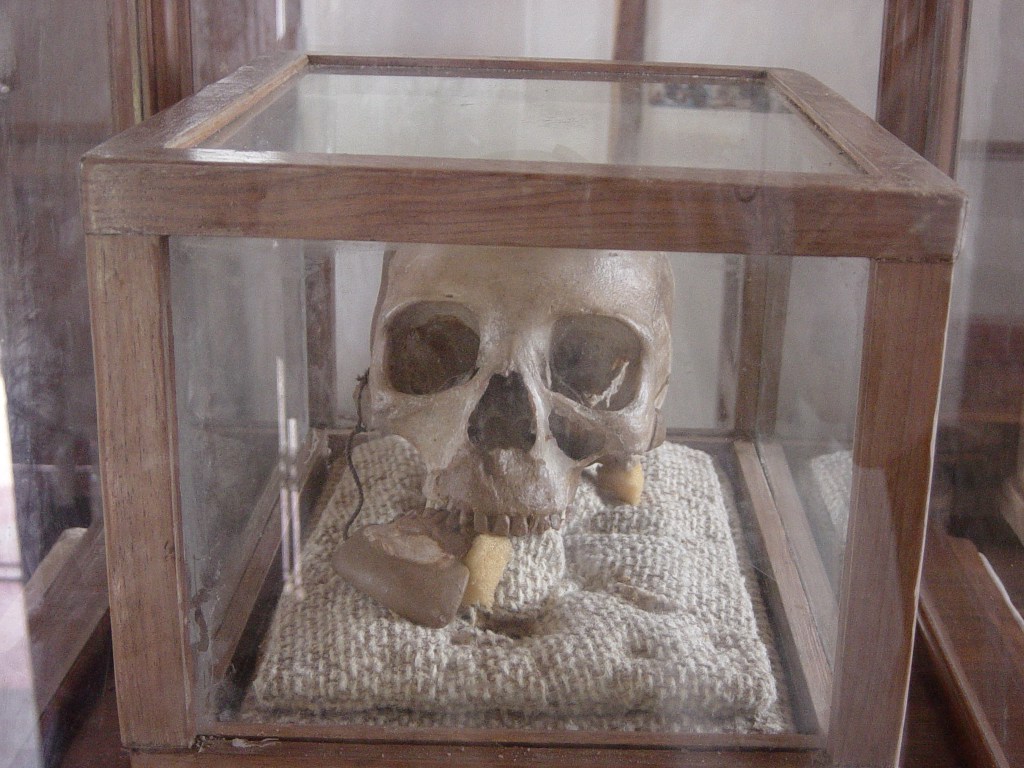
By Jeremiah J. Garsha (@jjgarsha) In 1898, Chief Mkwawa committed suicide after leading a seven-year revolt against German rule. His head was severed to claim a bounty, and then displayed as ‘a family trophy’ in the home of a British-born German colonial administrator. It was then defleshed and the skull was shipped to Germany, where…
-
6. Travelling to India: a handy list for the whole family

By Mobeen Hussain (@amhuss27) As a colonial officer in India, it was paramount that one knew what to expect and how to prepare for the sweltering climate. The mid to late nineteenth century saw a surge of advice books and manuals, mainly written by men, for families voyaging to the Subcontinent. One such book was…
-
Film archives: using moving images as historical sources

-
Cherry-picking the past: empire through a public lens

By Liam Grieve @LiamGrieve4 For all academia’s ‘independence’, historians remain tied to one immortal axiom: the past serves at the pleasure of the present. In this sense, history is underpinned by an informal social contract. Yet what happens when the terms of this contract are rewritten without the historian’s consent? Spike Lister recently did a…

 doinghistoryinpublic.org