-
Why historians should learn how to code (at least a bit)
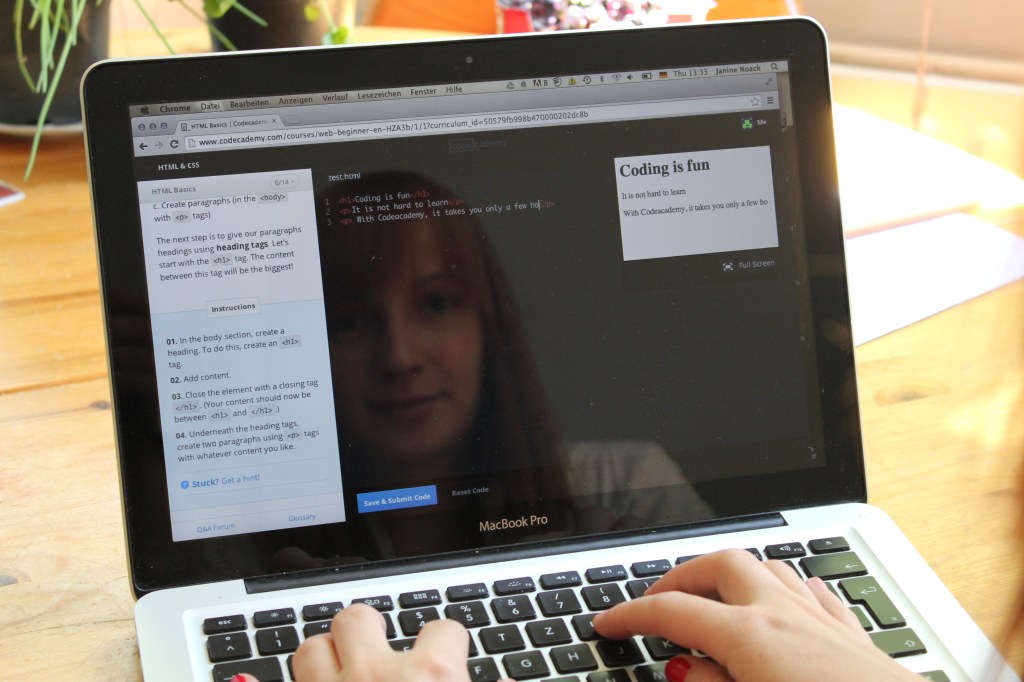
by Janine Noack Historians spend hours and hours in front of computer screens and paper sources from other centuries trying to create a cohesive narrative. Mostly we use Microsoft Word to write down our ideas and the internet to browse for information. But our computers can offer us way more than that. We may not always…
-
2.0 History in Brazil
by Renata Duran, Londrina State University According to the ICT in Education survey (CGI.br, 2013) conducted by the Internet Steering Committee in Brazil (CGI.br), through its Regional Centre of Studies for the Development of the Information Society (cetic.br), “almost all urban public schools have computers (99%) […].
-
Web Archives as Big Data: experimenting with the internet as a historical source
by Marta Musso On the 3rd of December, the Institute for Historical Research hosted a conference on the challenges and opportunities that the digital world offers to researchers in the humanities. As we live in the middle of the digital revolution, we don’t have full perception of the massive changes that the switch to digital…
-
Cambridge University Digital History Seminar: lesson 1, “The digital dark age?”
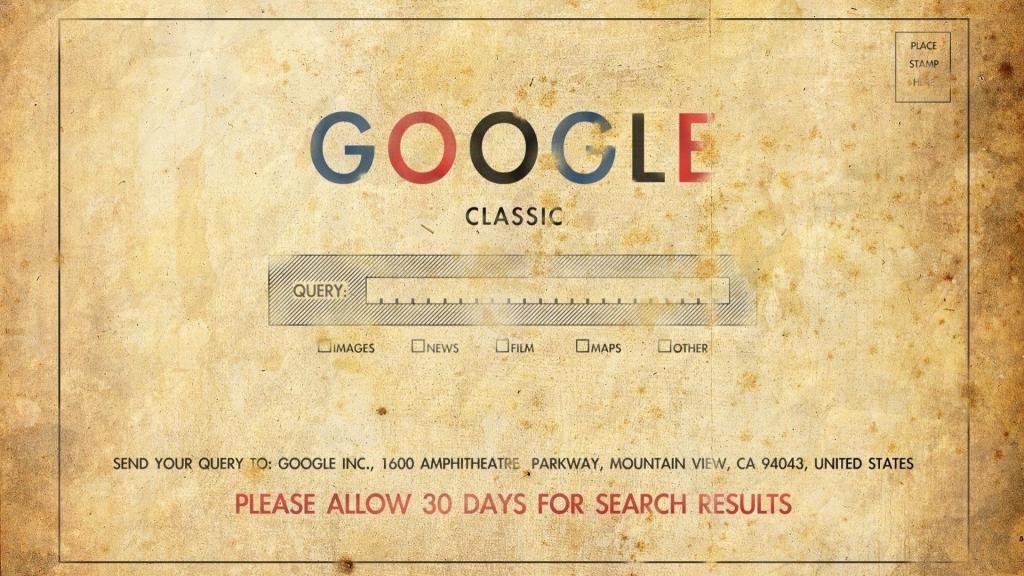
The Cambridge University Digital History Seminar has decided to make available online all the material discussed in class. We start from the first lesson, an introduction to digital sources by Marta Musso. The seminar was held at the History Faculty on the 28th of October, 2014. The PDF with notes can be downloaded and used…
-
The DPL of A: The New Knowledge Commonwealth
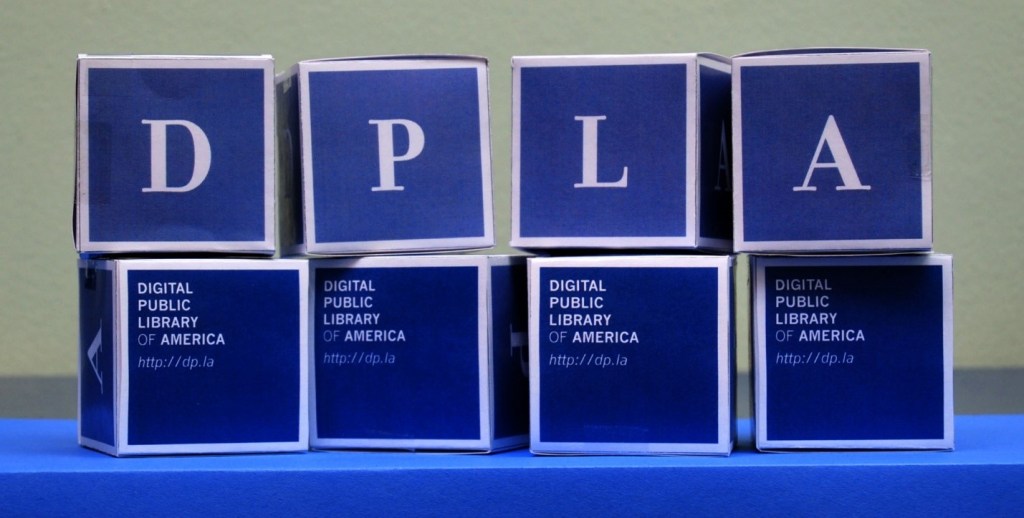
By Louise Moschetta, @LouiseMoschetta Since the 1990s, in the early days of internet and the final demise of the floppy disk, new notions of knowledge have been hashed out on a global stage. With the dial-up sound (for those nostalgic for a slower, more complicated age, click here) came the possibility of an exchange of…

 doinghistoryinpublic.org