-
A. Roger Ekirch, At Day’s Close: A History of Nighttime (2005)
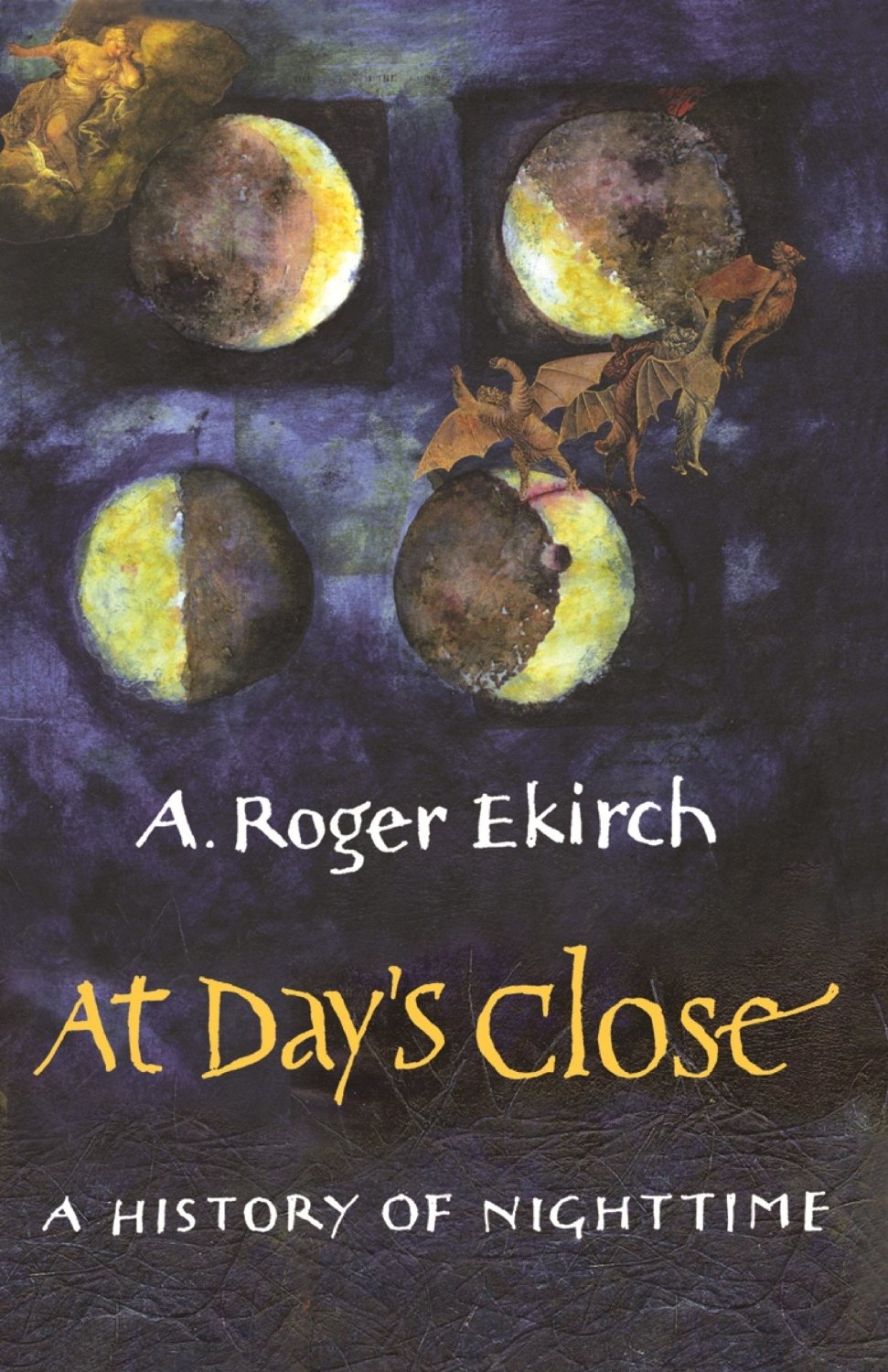
by Ella Hollowood The premise of A. Roger Ekirch’s At Day’s Close is a relatively simple one: what was nighttime like in Western society before industrialisation and modern lighting? Yet the result is a rich and fascinating study of ‘the forgotten half of the human experience’ and of a fundamental shift that took place between…
-
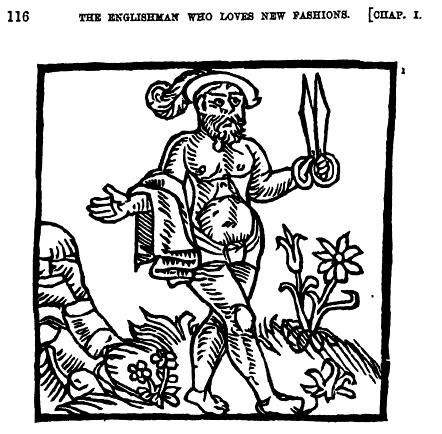
Exposing the ‘Naked Man’: A 16th-century motif of cultural nudity
-
Can Historians Study the Mind?
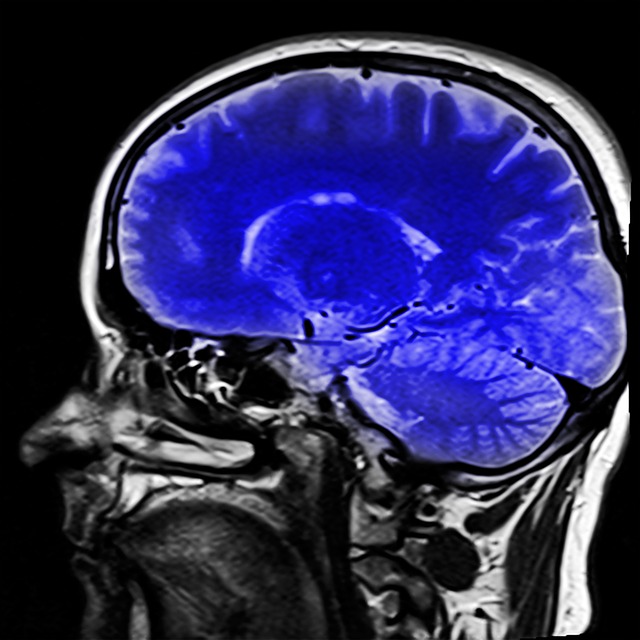
By Carys Brown Carys is a studying for an MPhil in Early Modern History. Her current research is on trust, Catholicism, and confessional co-existence, c. 1688-1750. Looking into the minds of people who have been dead for 300 years may seem like something of an impossible task. Since the 1970s, however, historians have increasingly attempted…
-
Being A Student of Atheism
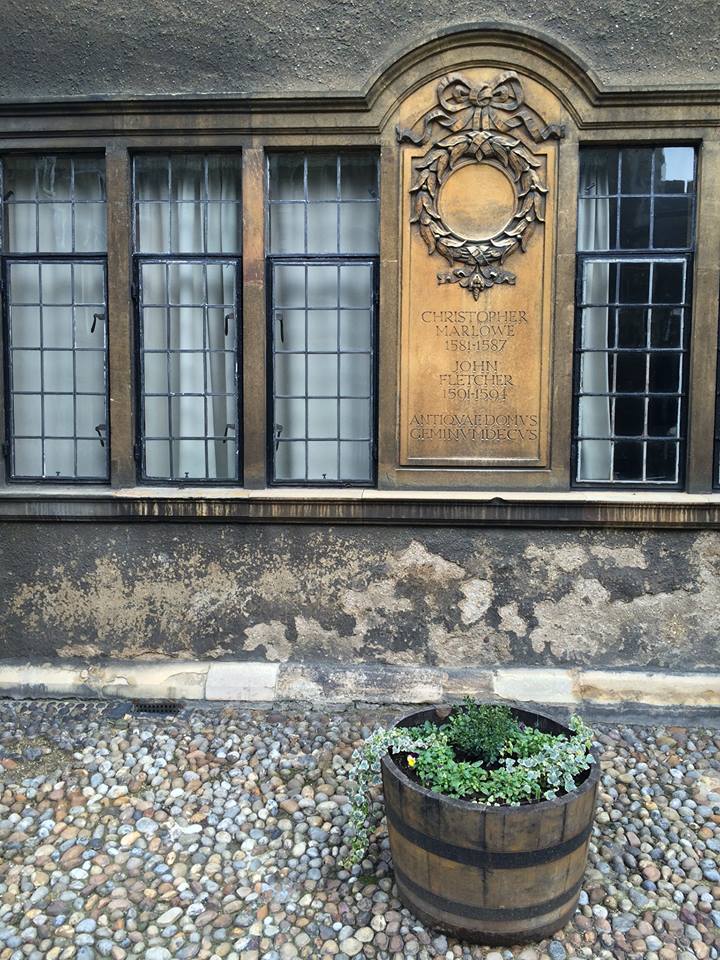
By Patrick Seamus McGhee Patrick is an MPhil student in Early Modern History at the University of Cambridge. He is currently researching atheism and unbelief in post-Reformation England. Cambridge’s Corpus Christi College is home to a rich and impressive collection of Reformation-era documents, named after the theologian and alumnus Matthew Parker (1504–1575). The Parker Library attests…
-
Wolf Hall and the historians: What can historical drama do?
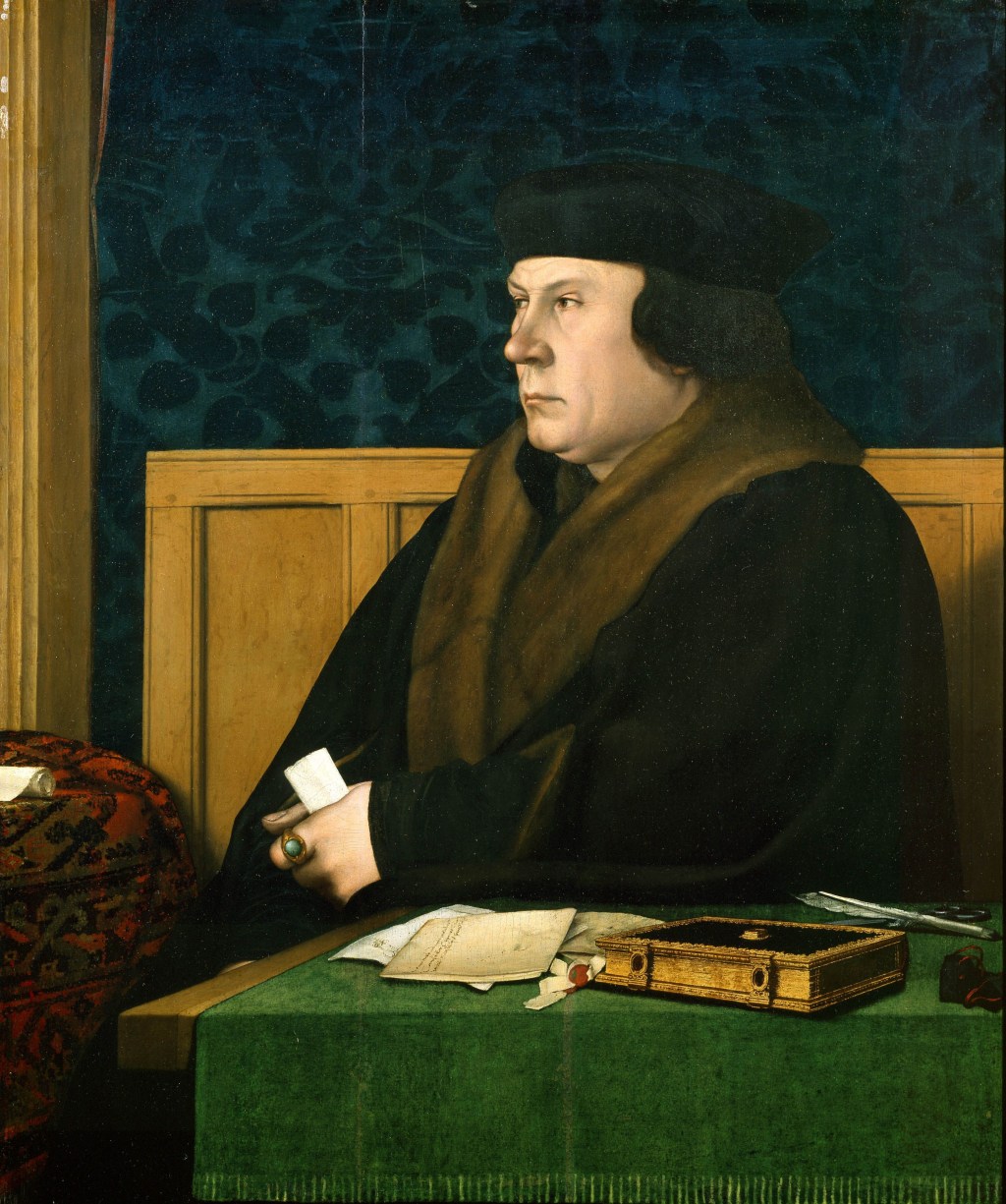
By Carys Brown @HistoryCarys Typing #WolfHall into Twitter reveals no end of enthusiasm about the BBC’s current Tudor drama. Even Prince Charles has admitted to ‘enjoying’ it.1 However, not everyone is happy. Historian and television presenter David Starkey has described both the novel and the TV adaptation as a ‘deliberate perversion’ of history, expressing particular discontent…

 doinghistoryinpublic.org