-
10. A Ticket for the Gift of the King’s Cure
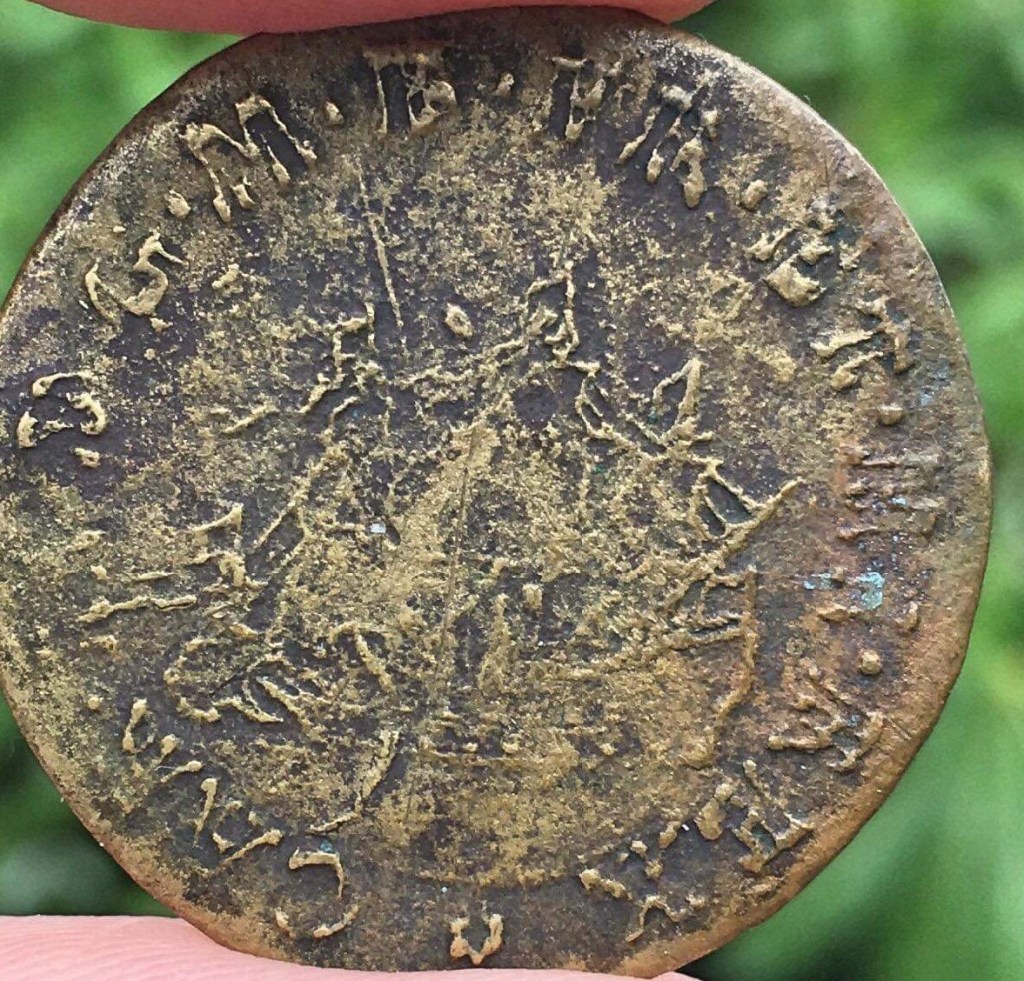
By Christopher Whittell (@ChrisWhittell) The object for today’s calendar is this entry ticket to the ceremony of the Healing of the King’s Evil, issued during the reign of Charles II. Due to the very high demand to attend the ceremony, it was given to invited guests, whom were sufferers from a disease called scrofula, as…
-
Collecting for Good Causes in Seventeenth-Century England

By Jacob F. Field (@jakeishistory) Charitable giving is an intrinsic part of contemporary British society. In 2017 the total amount given to charity in the United Kingdom was £10.3 billion, with the most popular causes being medical research, animal welfare, children or young people, hospitals and hospices, and overseas aid and disaster relief.[i] Early modern…
-
3. The Salamander
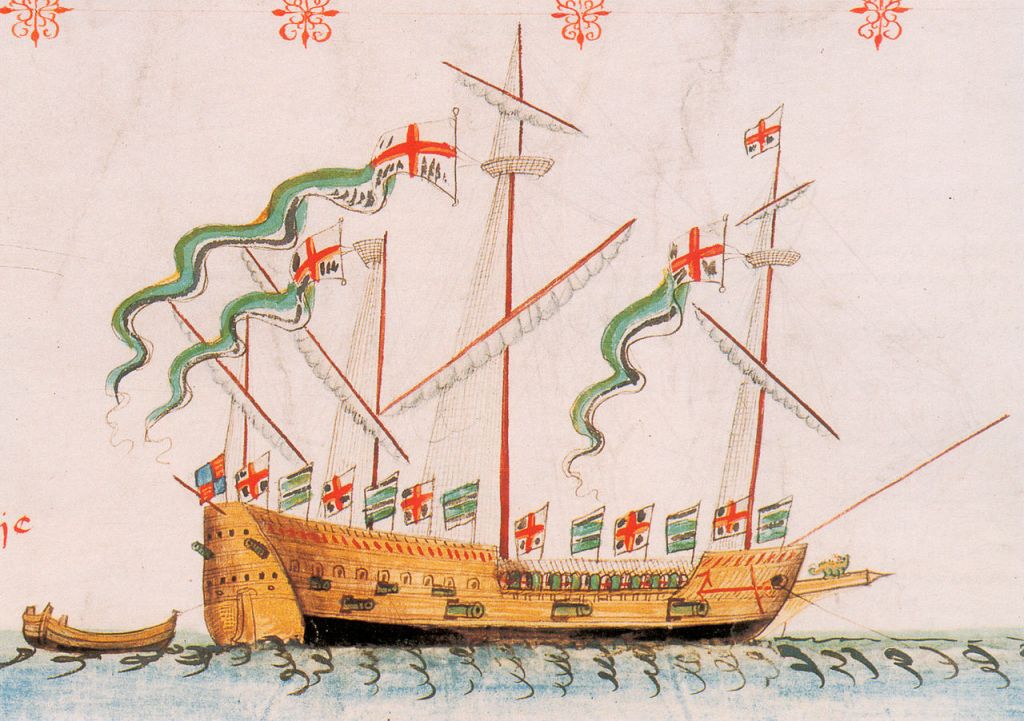
By Kate McGregor (https://katemcgregor.academia.edu/) As wedding presents go a ship is certainly the pièce de résistance. A gift from the French King François I to his new son-in-law James V, King of Scots, it represented the renewal of the Franco-Scots ‘Auld alliance’. [1] At its helm was a glistening salamander, a ‘dragon in flames of…
-
5. Lieve Verschuier’s ‘Tail Star (Comet) over Rotterdam’

By Lavinia Gambini (https://cambridge.academia.edu/LaviniaGambini) For early modern contemporaries, comets were not only associated with the birth of Christ. Comets possessed an eschatological dimension and had often been considered signs of imminent catastrophes, such as the Thirty Years’ War.[1] The celestial phenomenon also retained its apocalyptic dimension in the ‘Scientific Revolution’, when in Cambridge the Lucasian…
-
11. A Knotted Cord


 doinghistoryinpublic.org