-
11. A Knotted Cord

-
15. Water Found on Moon, Researchers Say

[i] By Sakae Gustafson Sculpture of Sir Isaac Newton (with prism), Trinity College Ante-Chapel. 1755, Louis-Francois Roubiliac (detail) On 13 November 2009, NASA announced ‘a new chapter in our understanding of the moon’.[ii] The crash of a satellite and the resulting plume of moon dust testified to the presence of water through spectrometry. Originating in Isaac Newton’s paper…
-
18. Vigani’s Cabinet

By Xinyi Wen (@HPSWarburgian) Red, umber, carmine, massicot yellow, ultramarine… in a 15×15 inches humble drawer, 63 kinds of pigments constituted a vibrant, colourful world. Each pigment was held in a labelled paper box lining inside the wooden grid, indicating these ingredients’ mobility and their flexibility of spatial arrangement. This drawer, together with other 28…
-
Doing History in Public Year in Review: 2020

By Zoë Jackson (@ZoeMJackson1) & Evelyn Strope (@emstrope) This New Year’s Eve, we look back at 2020, a year many have described as ‘unprecedented’. The coronavirus spread around the world from the start of the year, and the ensuing pandemic and resulting lockdowns have completely altered life as we knew it.
-
Protestant Echoes and the Spirit of Calvinism
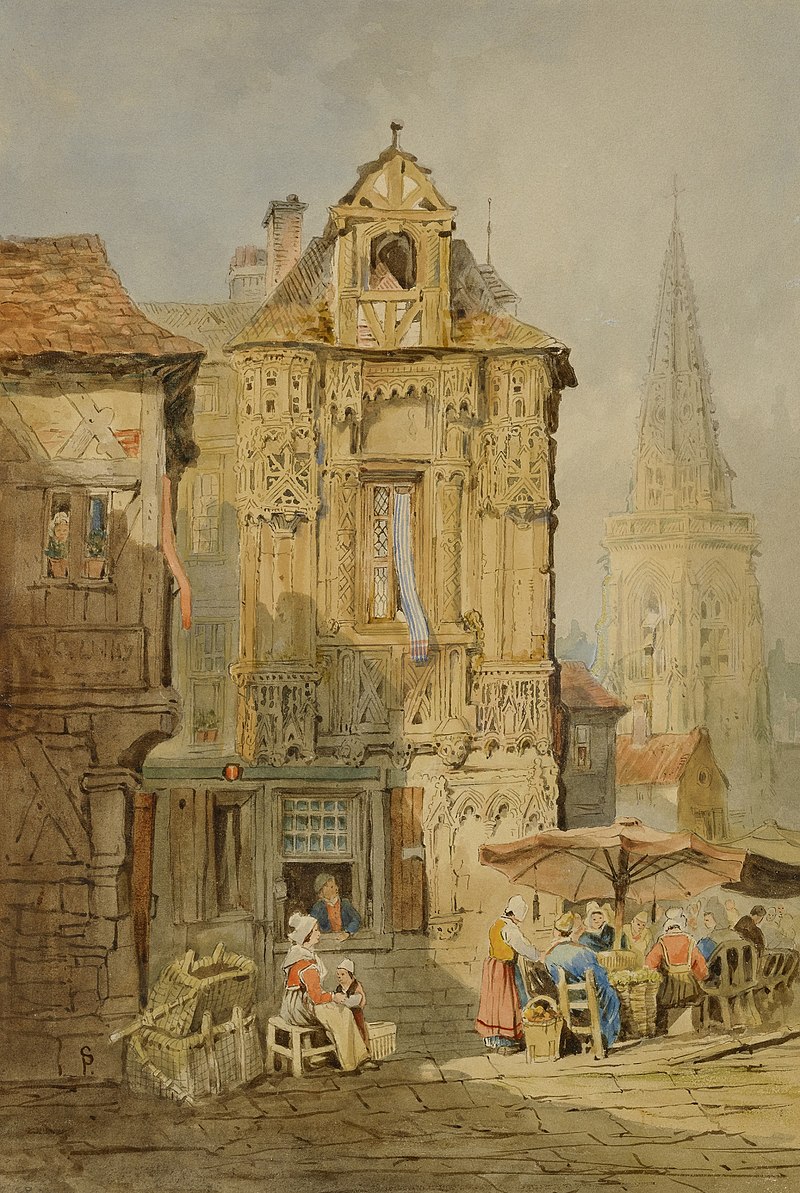
By Rory Bannerman (@BannermanRory) If there is a work of sociology that has held more attention, generated more discussion, and created more controversy than any other, it is Max Weber’s The Protestant Ethic and the Spirit of Capitalism. Released in 1905, its premise is based on Weber’s observation that Protestants, in particular Calvinists, appear to…

 doinghistoryinpublic.org