-
11. An Early Legal Handbook for Women

By Zoë Jackson (@ZoeMJackson1) Ordinary people, including women, in seventeenth-century England participated in legal processes, through which they often demonstrated at least a basic understanding of the law.[1] During the early modern period, there even existed a few legal handbooks specifically aimed at women and their experiences and rights within the law. An early version…
-
Michael Boym’s Illustrated Magna Cathay and Gushi Huapu, the Chinese Source of the Images
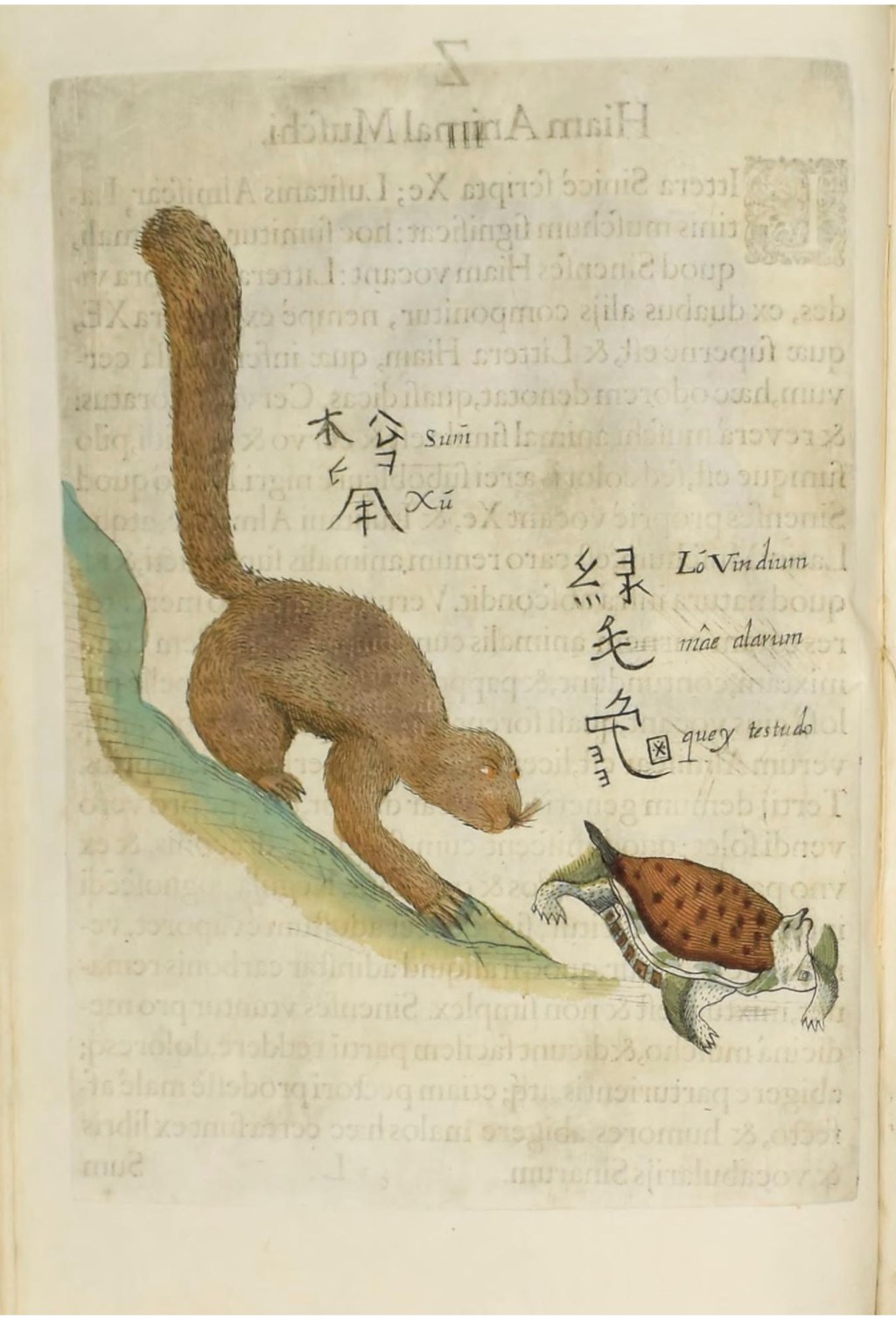
By Eszter Csillag Held at the Vatican Library, Magna Cathay (Borg. Cin. 531) is a never-printed map of China illustrated by the Polish Jesuit Michael Boym (1612–1659) when he returned to Europe from China. This map was part of a larger cartographical enterprise of the Jesuit order in the seventeenth century, when mapmaking was seen as one of the…
-
The ‘Monstrous Regiment of Women’: The Paradox of the Masculine-Female Monarch
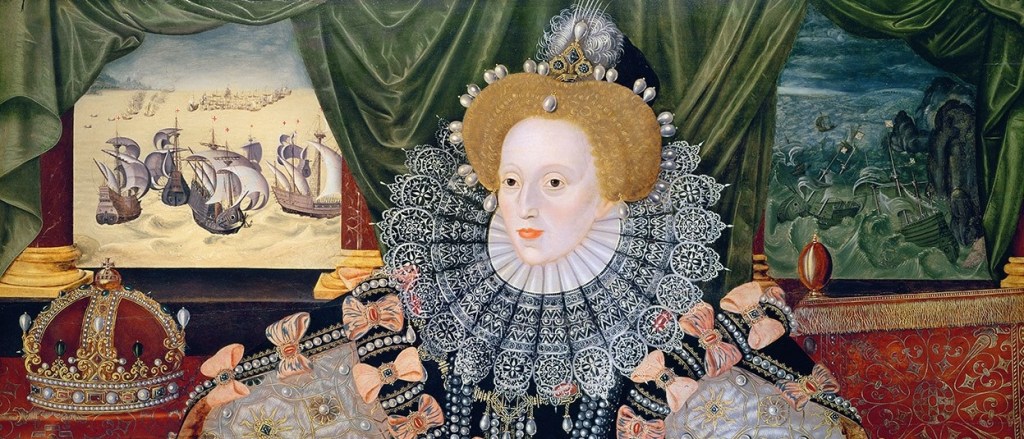
By Megan Chance “Weake, fraile, impacient, feble and foolish…unconstant, variable, cruell and lacking the spirit of counsel and regiment.” [1] John Knox wrote “How abominable before God is the Empire or Rule of a wicked woman” [2] because “Woman in her greatest perfection was made to serve and obey man, not to rule and command…
-
Elmina Castle and the Year of Return

By Evan Binkley (@evanbinkley_) In 2019, Ghanaian President Nana Akufo-Addo inaugurated the Year of Return, a national tourism strategy that invited members of the African Diaspora to visit Ghana.[1] The Year of Return marked four hundred years since the first enslaved Africans arrived in the English Colony of Virginia. To commemorate this anniversary, President Akufo-Addo…
-
‘A Most Ignominious Thing’: Face-Paint and Cosmetics in Seventeenth-Century England
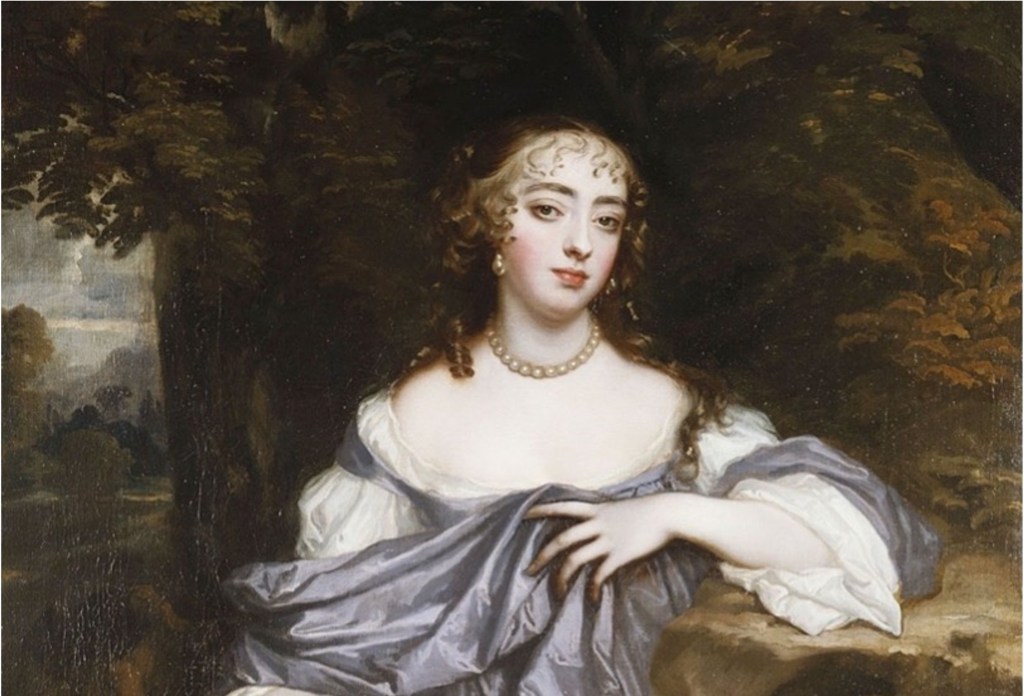
By Marlo Avidon, @MarloAvidon Today, when people hear the term ‘face-paint’, they typically envision children at street-fairs, or birthday party guests decorated as princesses, cats, or fairies. Yet, in seventeenth-century England, ‘painting the face’ was akin to modern make-up, with various pigments used to colour the face artificially and achieve the contemporary beauty standard of a…

 doinghistoryinpublic.org