-
Sweet harmony or rough music? Singing in the seventeenth century

By Carys Brown | @HistoryCarys If you’ve ever been in a roaring rugby crowd, a church full of carol singers, or even just broken into song in the shower, you’ve probably noticed that singing can have a powerful effect. The physical, psychological, and social benefits of singing are now widely recognised, although the underlying reasons behind…
-
Absent leeks, lost voices? Cooking and recording in early modern Wales
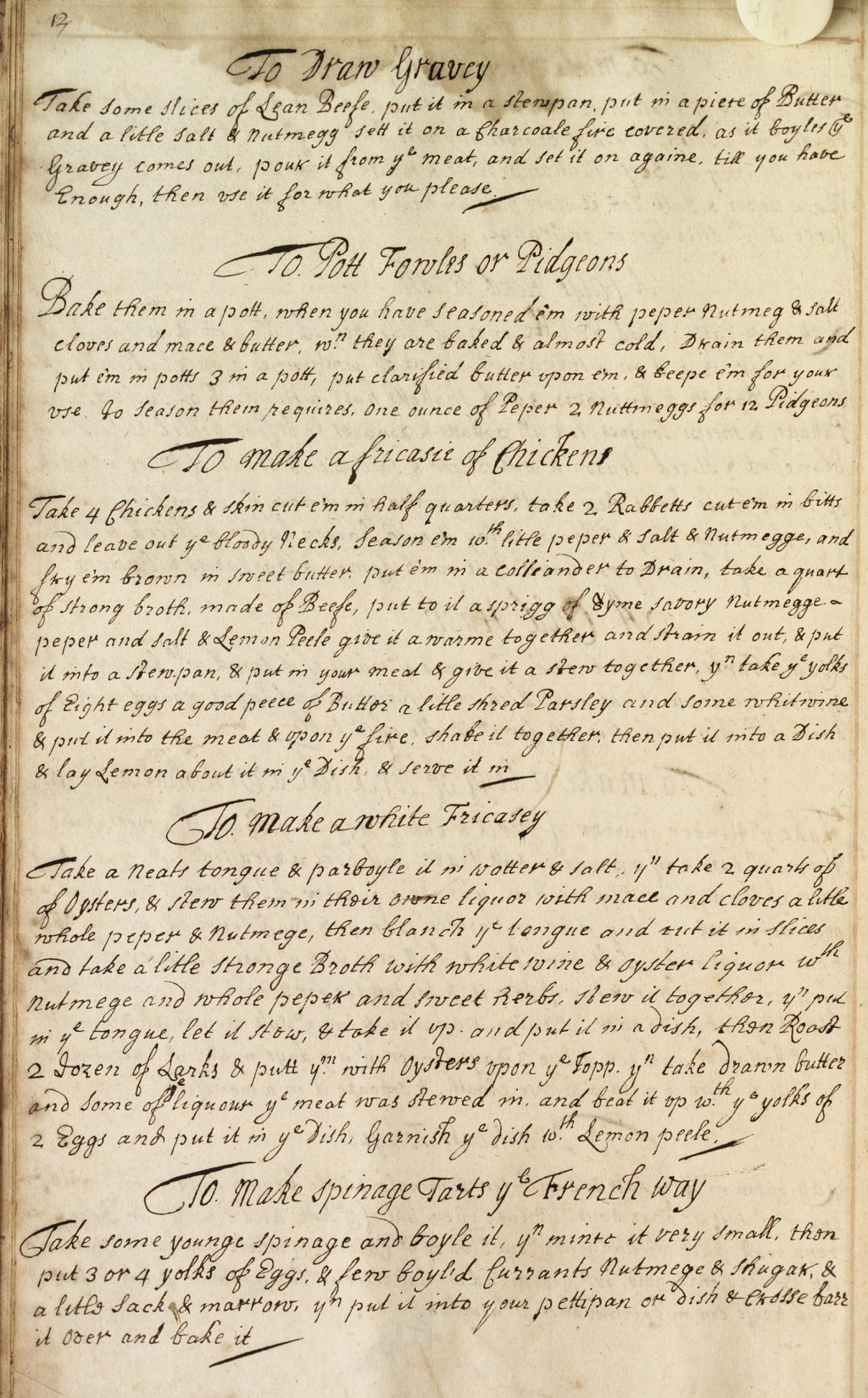
By Carys Brown | @HistoryCarys My original intention for a blog post for St David’s Day (1 March) had been to cook and write about early modern leeks. Quite apart from being one of my favourite vegetables, the humble leek is one of the national symbols of Wales and features in a number of “traditional” Welsh…
-
Catholic murderers in your area put loyal Protestants at risk, SAD! – Benjamin Harris, fake news, and the Popish Plot

By Alex Wakelam – @A_Wakelam Anyone with even a passing awareness of western politics over the last year will have been bombarded with the phrase “Fake News”, whether to describe genuine falsehood circulated as fact or as the rallying cry of bombastic autocrats denying the validity of news sources that disagree with them. While the phrase seems like…
-
Royal Palace or Hellish Temple? Using Architectural Style as a Source
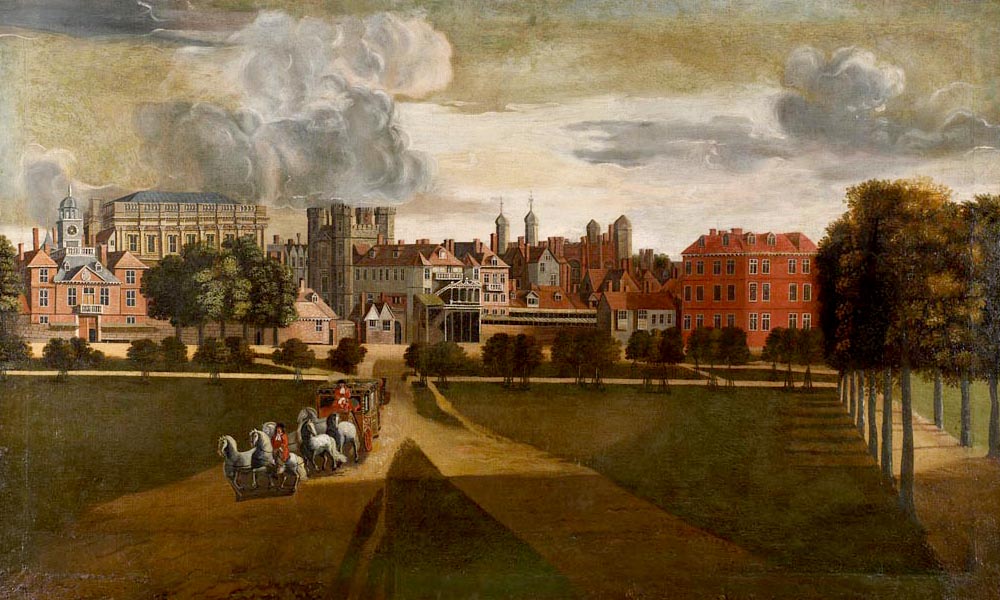
By Atlanta R. Neudorf // arn26@cam.ac.uk When one pictures the historian undertaking their archival research, it is common to conjure up an image of the scholar poring over sources of the written word: newspapers, letters, pamphlets, or book manuscripts. Few would imagine this dusty figure staring at a building.
-
Experiencing the law in sixteenth-century England
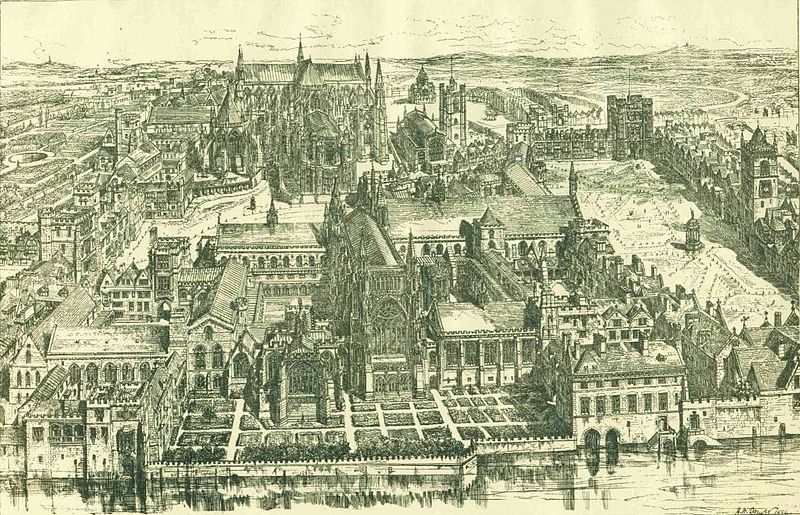
By Laura Flannigan (@LFlannigan17) ‘To London once my stepps I bent, Where trouth in no wyse should be faint, To westmynster-ward I forthwith went, To a man of law to make complaint. I sayd, “for marys love, that holy saynt / Pyty the poore that wold proceede.” But, for lack of mony, I cold not spede.…

 doinghistoryinpublic.org