-
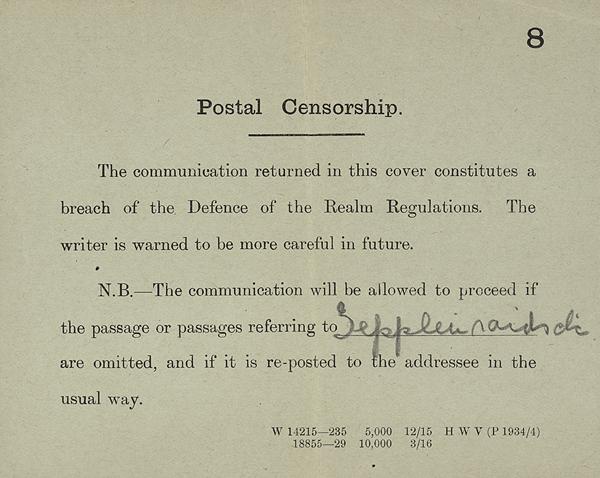
Shadows of the First World War: Surveillance, Censorship, and the Right to Privacy
-
Experiencing the law in sixteenth-century England
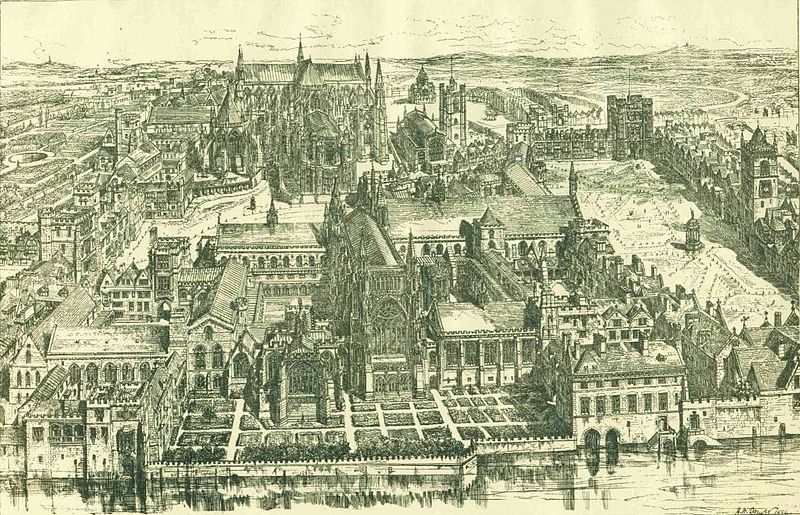
By Laura Flannigan (@LFlannigan17) ‘To London once my stepps I bent, Where trouth in no wyse should be faint, To westmynster-ward I forthwith went, To a man of law to make complaint. I sayd, “for marys love, that holy saynt / Pyty the poore that wold proceede.” But, for lack of mony, I cold not spede.…
-
England’s First Double Agents?

By Fred Smith | @Fred_E_Smith The disturbing events which have recently unfolded in the small English town of Salisbury appear to belong more to the set of a Hollywood spy thriller or the pages of an Ian Fleming novel than to reality. From a historical perspective, the role of spies and informants on all sides during both the…
-
‘[W]ho so wyl a gardener be’: arboriculture in late medieval and early modern commonplace books
![‘[W]ho so wyl a gardener be’: arboriculture in late medieval and early modern commonplace books](https://doinghistoryinpublic.org/wp-content/uploads/2018/09/gardening-1.jpg?w=448)
By Laura Flannigan (@LFlannigan17) Recently, while on the hunt for signs of the reception and expression of legal ideas and practice in late medieval and early modern writing, I had cause to dip into some of the commonplace books surviving from the period. A ‘commonplace book’ has been generally classed by historians as an idiosyncratic, miscellaneous compilation…
-
Treason law in England from 1351 to the present
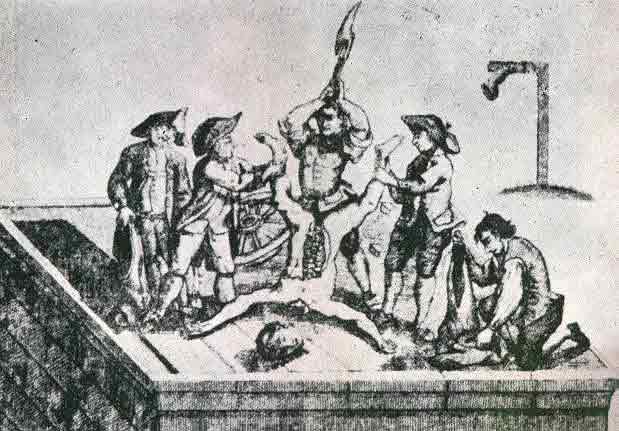
By Stephanie Brown (@StephEmmaBrown) In 1305, William Wallace was hanged, drawn, and beheaded. Notes from the court state that ‘his heart, liver, lungs and all his entrails be cast into the fire and burned’ and ‘his body be cut into four parts.’ His head was to be placed on London Bridge, with each ‘quarter’ of…

 doinghistoryinpublic.org