-
A Little Chaos (2014): A commitment travesty
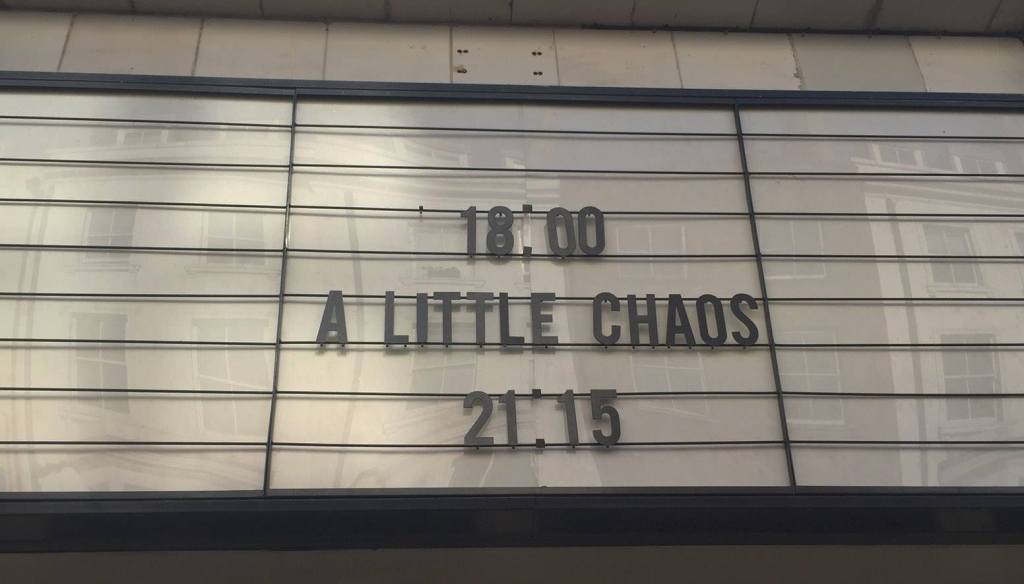
By Anna Knutsson @annaknutsson Anna Knutsson is an MPhil student in Early Modern History at the University of Cambridge. She is currently researching expressions of female involvement in medicine in Renaissance Florence. Director: Alan Rickman Cast: Kate Winslet, Stanley Tucci, Alan Rickman, Jennifer Ehle, Matthias Schoenaerts, Helen McCrory. Lack of commitment is a constant complaint of…
-
The Dreyfus Affair: metaphor and reality in public history
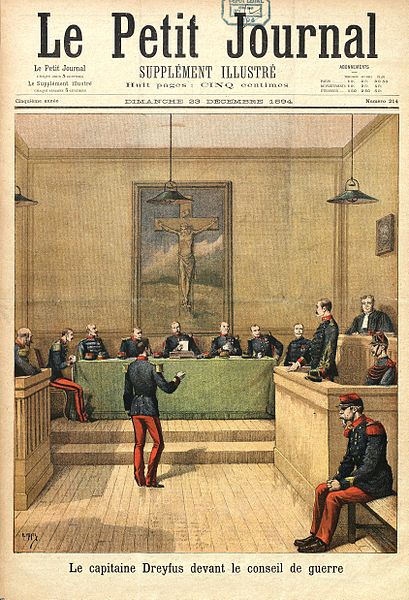
By Daniel Adamson (@DEAdamson9) The Pyrrhic Wars; the crossing of the Rubicon; the witch hunts; the sinking of the Titanic. Modern parlance is littered with examples of historical events that have accrued a metaphorical value superior to the weight of their historical realities. In public spheres, there is more interest in deploying historical events for…
-
3. The Salamander
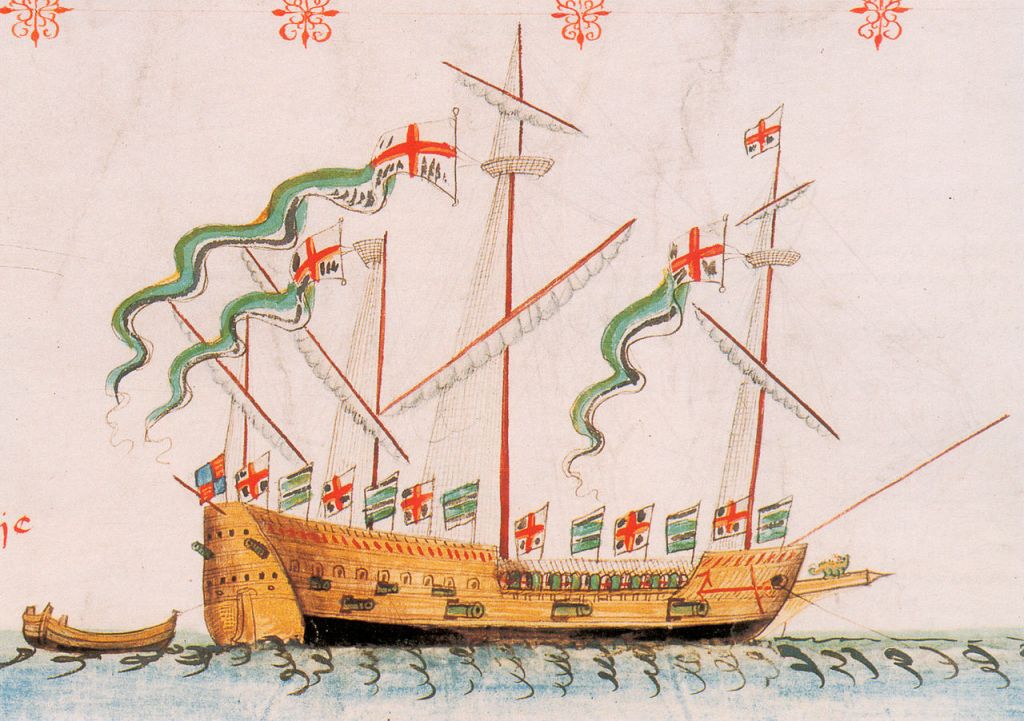
By Kate McGregor (https://katemcgregor.academia.edu/) As wedding presents go a ship is certainly the pièce de résistance. A gift from the French King François I to his new son-in-law James V, King of Scots, it represented the renewal of the Franco-Scots ‘Auld alliance’. [1] At its helm was a glistening salamander, a ‘dragon in flames of…
-
17. Massialot’s Knowledge of December Cuisines

By Weiao Xing (@WeiaoX) Starting with pigeon bisque and casserole, filled with veal loin and ortolans, and embellished by apple fritters and crème brûlée, a wintry feast was prepared by chef de cuisine François Massialot on 27 December 1690. This lavish banquet, originally held at the Duke of Aumont’s palace, exemplifies ‘Another great Entertainment for the…
-
16. Le Cochon Noir (‘The Black Pig’) Songbook
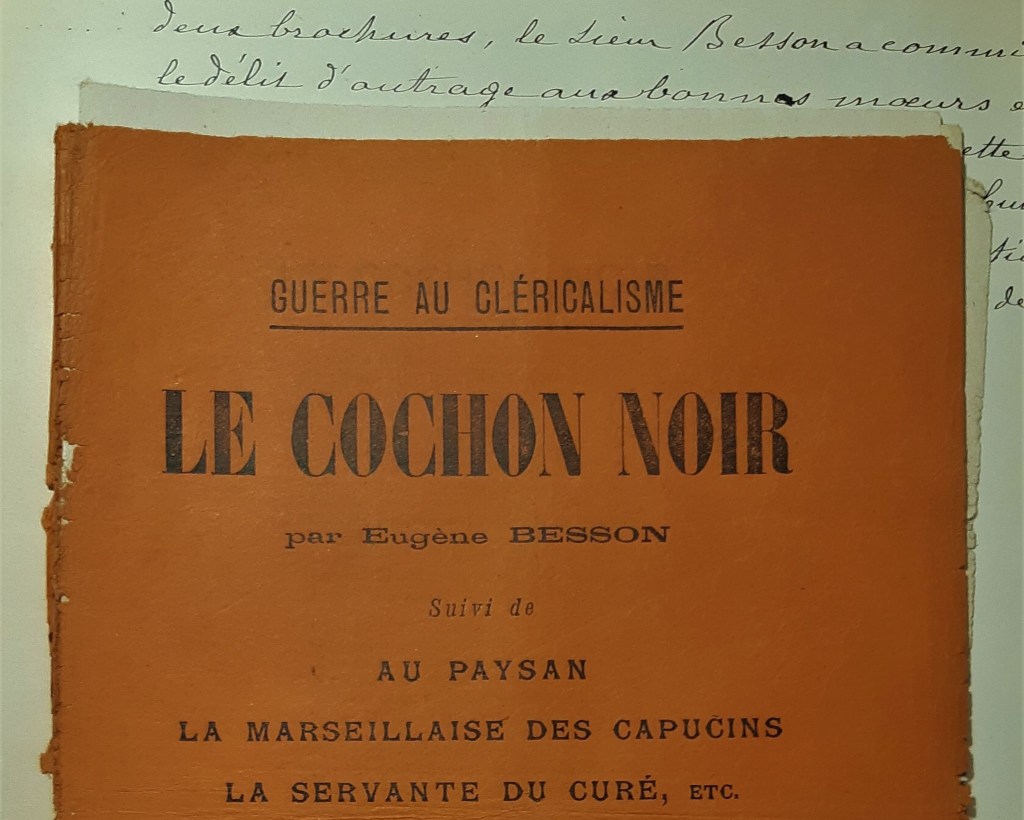
By Sam Young (@samyoung102) Le Cochon Noir is a booklet of anticlerical songs produced in Marseilles in 1902 by the songwriter Eugène Besson. [i] Though humorous in tone, Besson’s songs are sharp in their condemnation of the Catholic clergy. Priests are ridiculed throughout as gluttons (the title song refers to a cleric’s black robes), liars…

 doinghistoryinpublic.org