-
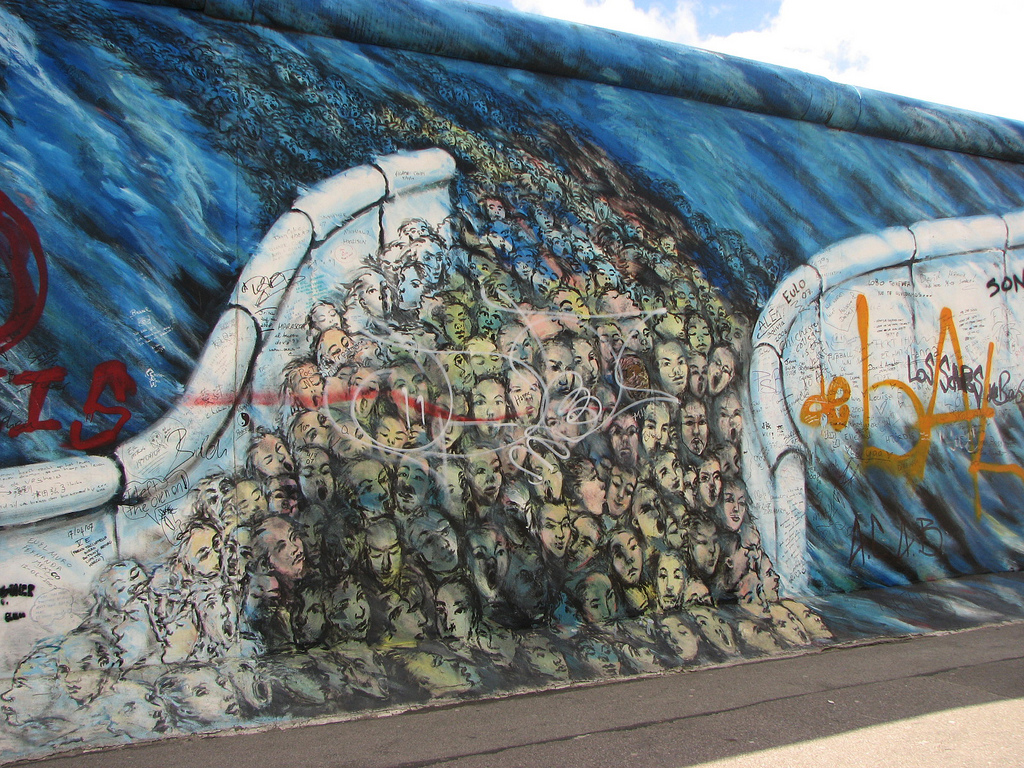
Forgotten in the Victory Celebrations: Thoughts on the 25th Anniversary of the Fall of the Wall
-
The Grand (Archival) Tour

By Zoe Farrell (@zoeffarrell) One of the many advantages of being a historian who studies other countries is the ample opportunities for travel. My work focuses on artisans and material culture in sixteenth-century Verona, and I have therefore spent a lot of time in Veronese archives. However, I am also interested in how Renaissance culture travelled,…
-
15. The Iron Cross: a national symbol

By Laura Achtelstetter (@Laura8tel) In my research, the Napoleonic Wars – or Wars of Liberation (1813-15) as they are called in Germany – are a central event. Nearly all of the people I am focusing on fought in these wars, many of them got wounded, lost friends and family members. In testimonies from this time,…
-
Re-educating the enemy: German Prisoners of War in Britain
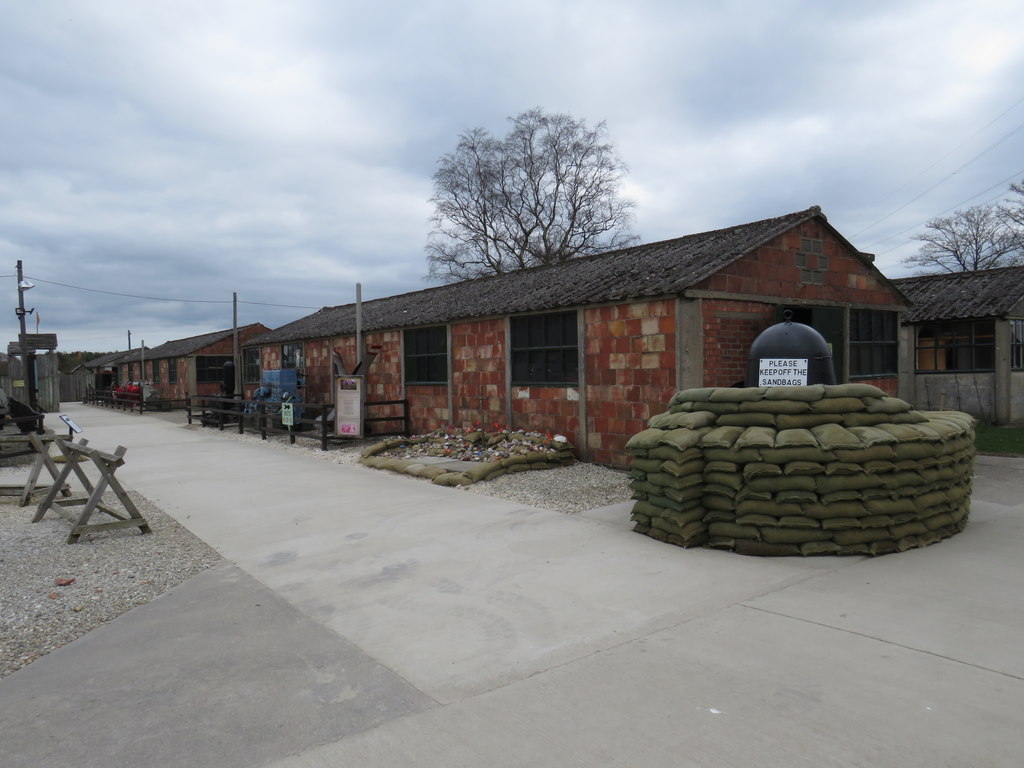
By Emily Redican-Bradford As the Second World War in Europe entered its final stages, Allied governments began to focus on how to deal with a defeated Germany. The leaders of Britain, the United States and the Soviet Union were determined to eradicate Nazism, in the hope of preventing the eruption of another global conflict. In…
-
“Steel their Bodies and Minds” – How the Wandervogel reconciled nature with modernity

By Charlotte Alt Life in Germany at the turn of the twentieth century was an overwhelming experience. Modernity by then had arrived in full force: cities exploded with masses of people, and modern innovations like the telegraph and railway drastically changed the pace of everyday life. As urban spaces appeared increasingly overstimulating, people began to…

 doinghistoryinpublic.org