-
Elizabeth Sculthorp and the Embodiments of Unbelief
By Patrick Seamus McGhee Patrick is an MPhil student in Early Modern History at the University of Cambridge. He is currently researching atheism and unbelief in post-Reformation England. In 1519, Elizabeth Sculthorp was brought before the church courts in the diocese of Lincoln to explain her faltering religious belief. The court book reports that: “First she…
-
The Case of Betty John – gender ambiguity in a late eighteenth century small-claims court
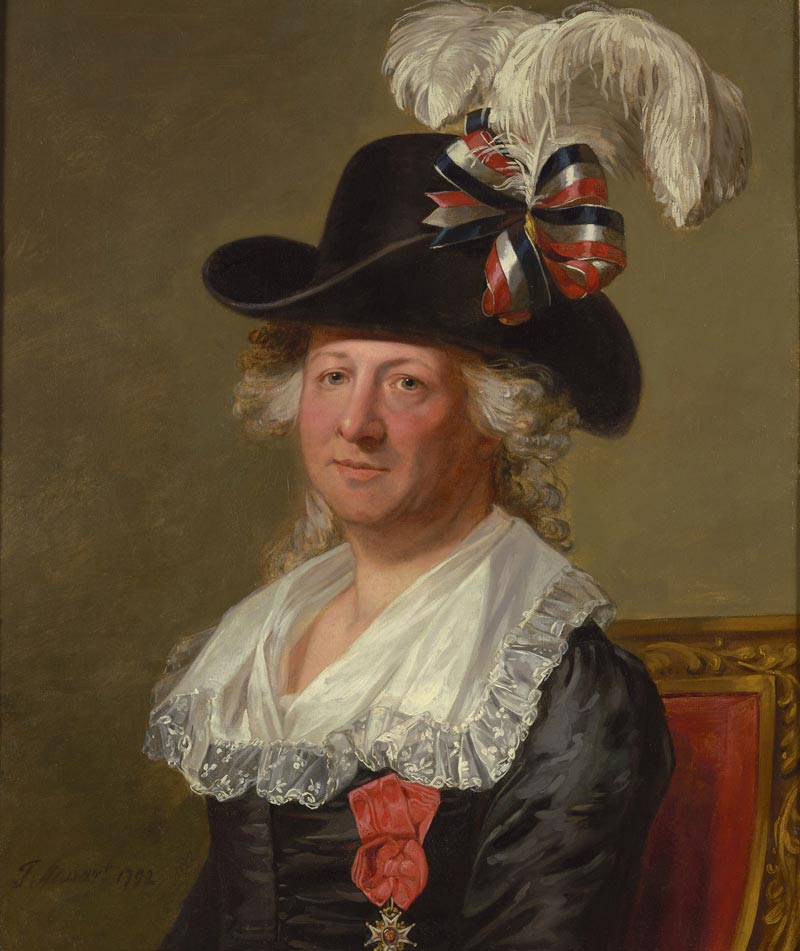
By Alex Wakelam – @A_Wakelam Alex is a PhD candidate in the Faculty of History. His thesis is entitled “Imprisonment for Debt and Women’s Financial Failure in the Long Eighteenth Century”. Before the eighteenth century, it was potentially possible to stand at the window of an English townhouse and gaze out across the milieu of different classes, ages, and ethnicities…
-
Experiencing the law in sixteenth-century England
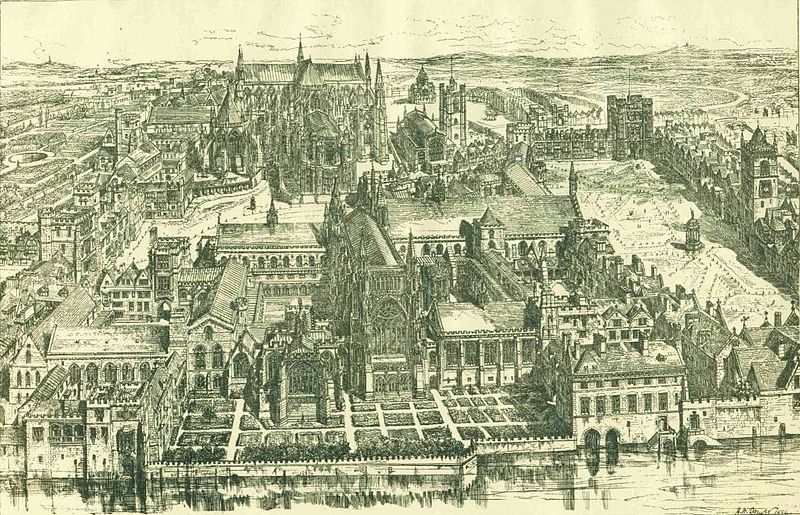
By Laura Flannigan (@LFlannigan17) ‘To London once my stepps I bent, Where trouth in no wyse should be faint, To westmynster-ward I forthwith went, To a man of law to make complaint. I sayd, “for marys love, that holy saynt / Pyty the poore that wold proceede.” But, for lack of mony, I cold not spede.…
-
Treason law in England from 1351 to the present
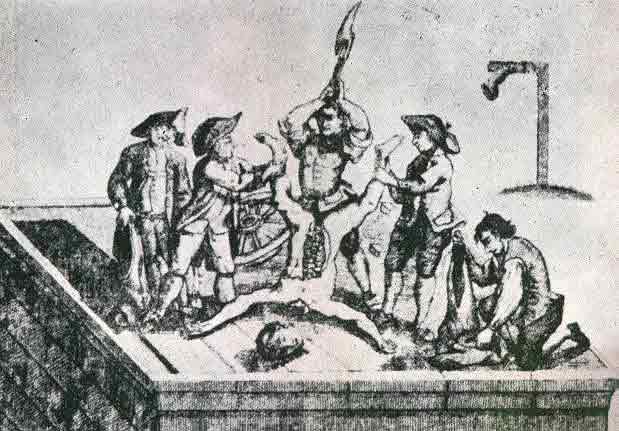
By Stephanie Brown (@StephEmmaBrown) In 1305, William Wallace was hanged, drawn, and beheaded. Notes from the court state that ‘his heart, liver, lungs and all his entrails be cast into the fire and burned’ and ‘his body be cut into four parts.’ His head was to be placed on London Bridge, with each ‘quarter’ of…
-
Researching with English Legal Records: some tips on getting started

By Laura Flannigan (@LFlannigan17) The vast archives produced by the English legal system are some of our most valuable materials for legal, political, social, and family histories. Issuing from national and local courts, from common, ecclesiastical, and equitable jurisdictions, and covering civil and criminal law, they offer a window into the lives of ordinary people and…

 doinghistoryinpublic.org