-
18. Vigani’s Cabinet

By Xinyi Wen (@HPSWarburgian) Red, umber, carmine, massicot yellow, ultramarine… in a 15×15 inches humble drawer, 63 kinds of pigments constituted a vibrant, colourful world. Each pigment was held in a labelled paper box lining inside the wooden grid, indicating these ingredients’ mobility and their flexibility of spatial arrangement. This drawer, together with other 28…
-
Doing History in Public Year in Review: 2020

By Zoë Jackson (@ZoeMJackson1) & Evelyn Strope (@emstrope) This New Year’s Eve, we look back at 2020, a year many have described as ‘unprecedented’. The coronavirus spread around the world from the start of the year, and the ensuing pandemic and resulting lockdowns have completely altered life as we knew it.
-
The It-Narrative as Material Culture Methodology: Practical Applications for Historians

By Kerry Love (@kerrymlove) A popular novel format in the eighteenth century was the ‘it-narrative,’ or ‘novel of circulation,’ whereby the story was told by an inanimate object, such as a coin, quill or a coach, or an animal such as a pet dog, in first person. Their treatment in literary studies has been covered…
-
Cultivating research skills: artificial flowers and the process of making

-
1. An Eighteenth-Century Waistcoat
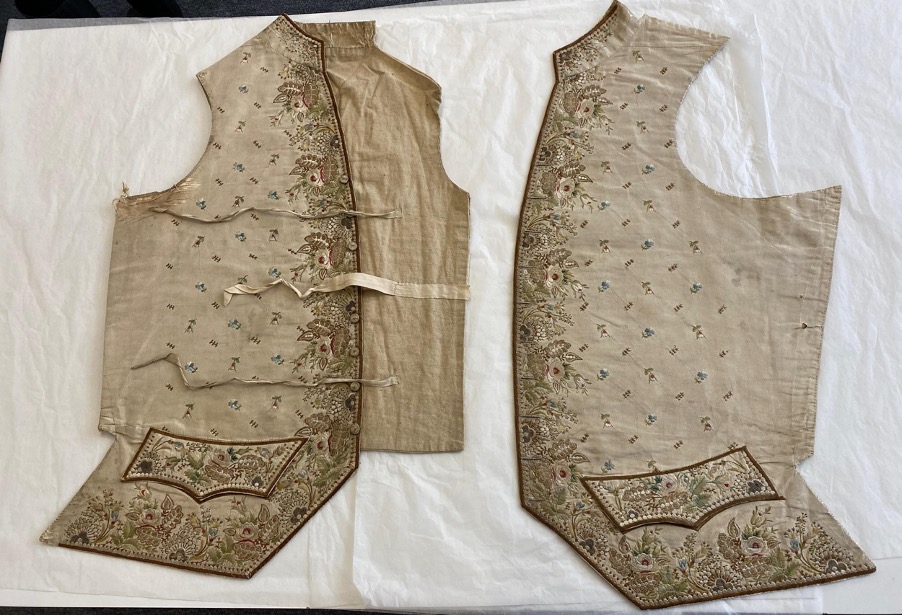
By Zara Kesterton (@ZaraKesterton) This eighteenth-century man’s waistcoat would look appropriately festive at a Christmas party, with its cream silk and rich embroidery glimmering under candlelight. It was likely made initially for use at the British court between c.1770 and c.1795. The waistcoat features a floral design with an innovative machine-made net applied over dark…

 doinghistoryinpublic.org