-
Can Historians Study the Mind?
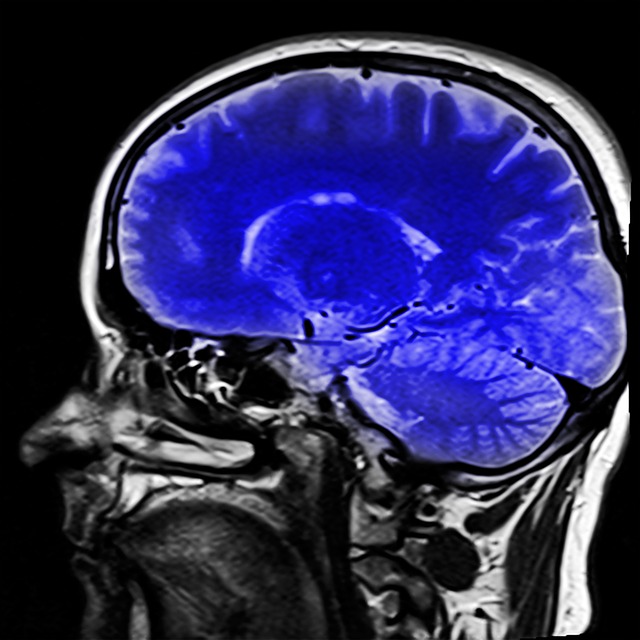
By Carys Brown Carys is a studying for an MPhil in Early Modern History. Her current research is on trust, Catholicism, and confessional co-existence, c. 1688-1750. Looking into the minds of people who have been dead for 300 years may seem like something of an impossible task. Since the 1970s, however, historians have increasingly attempted…
-
Some reflections on Charlie Hebdo
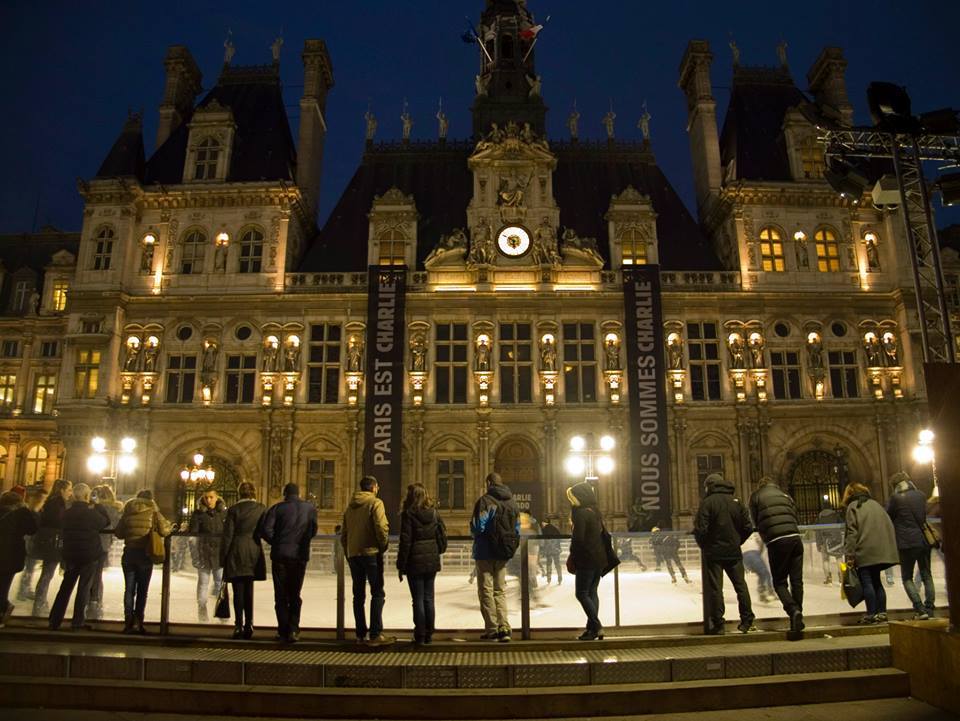
By Hira Amin 9/11 is often cited as a watershed moment in contemporary history. The pervasive narrative was that these extremists hated Western freedom and democracy and Islam is an inherently violent and dangerous religion. In the wake of the brutal Charlie Hebdo attacks, one of the most striking features of the coverage was simply…
-
Being A Student of Atheism
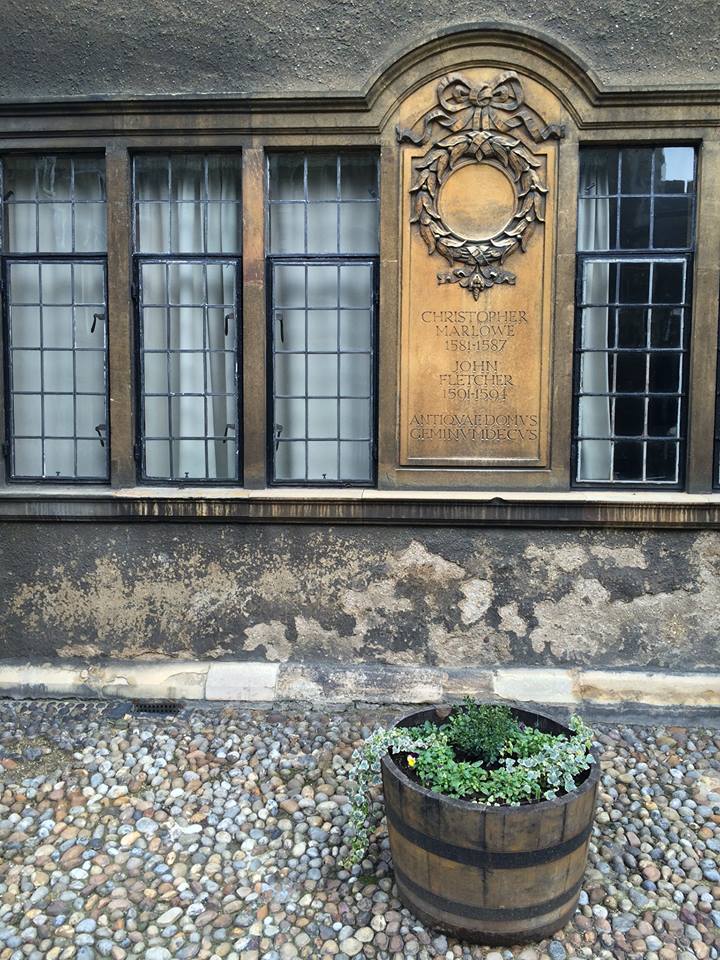
By Patrick Seamus McGhee Patrick is an MPhil student in Early Modern History at the University of Cambridge. He is currently researching atheism and unbelief in post-Reformation England. Cambridge’s Corpus Christi College is home to a rich and impressive collection of Reformation-era documents, named after the theologian and alumnus Matthew Parker (1504–1575). The Parker Library attests…
-
Wolf Hall and the historians: What can historical drama do?
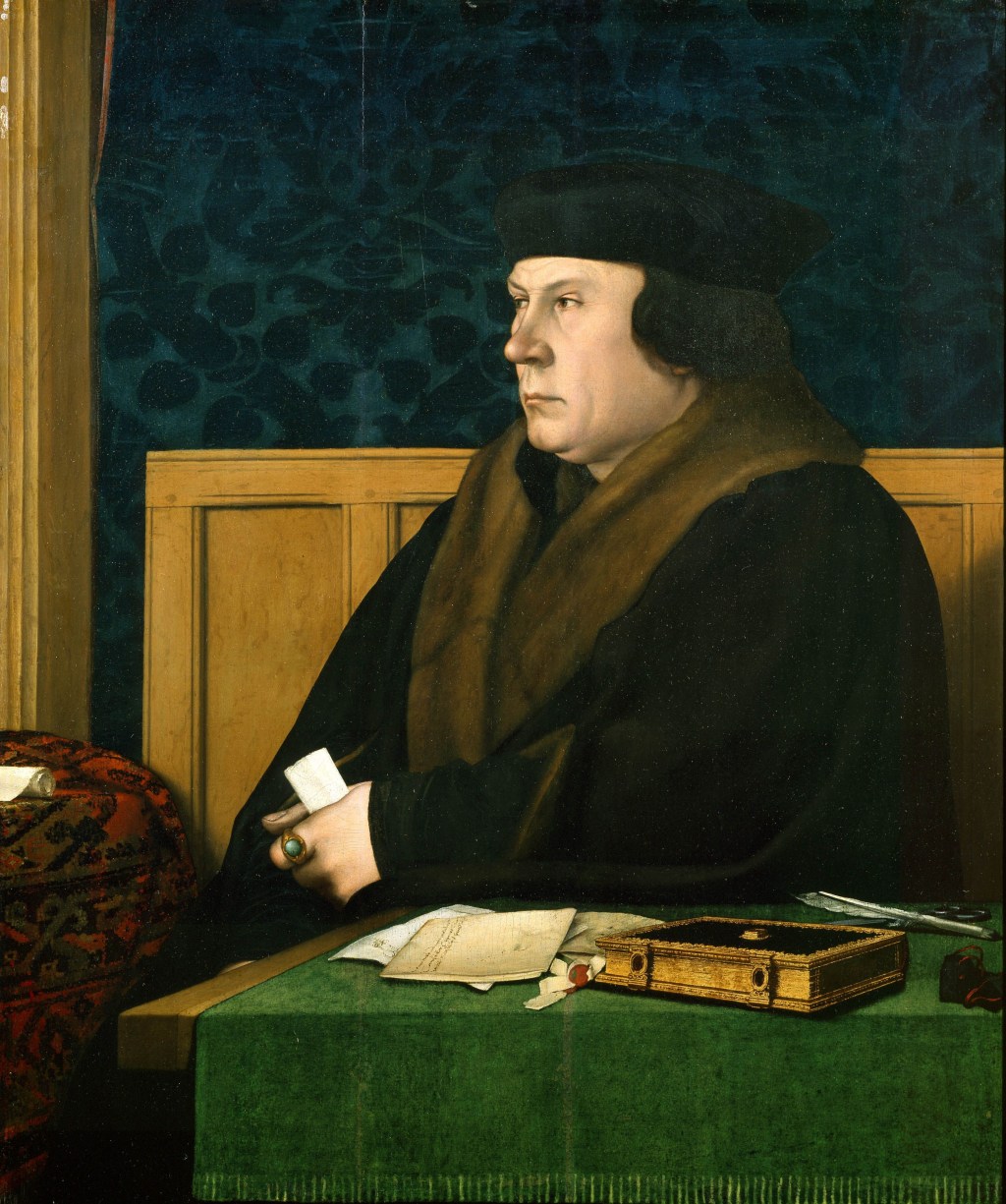
By Carys Brown @HistoryCarys Typing #WolfHall into Twitter reveals no end of enthusiasm about the BBC’s current Tudor drama. Even Prince Charles has admitted to ‘enjoying’ it.1 However, not everyone is happy. Historian and television presenter David Starkey has described both the novel and the TV adaptation as a ‘deliberate perversion’ of history, expressing particular discontent…
-
Elizabeth Sculthorp and the Embodiments of Unbelief
By Patrick Seamus McGhee Patrick is an MPhil student in Early Modern History at the University of Cambridge. He is currently researching atheism and unbelief in post-Reformation England. In 1519, Elizabeth Sculthorp was brought before the church courts in the diocese of Lincoln to explain her faltering religious belief. The court book reports that: “First she…

 doinghistoryinpublic.org