-
The Wandering Historian: Reflections on a Year of Research Abroad

In the second of our posts on doing research abroad, Tom Smith (@TomEtesonSmith) traverses the United States. Working on American history from a British university as I do, it was inevitable that at some point during my PhD research I was going to have to spend some time abroad. Courtesy of two Arts and Humanities Research Council-funded…
-
What’s in a map?
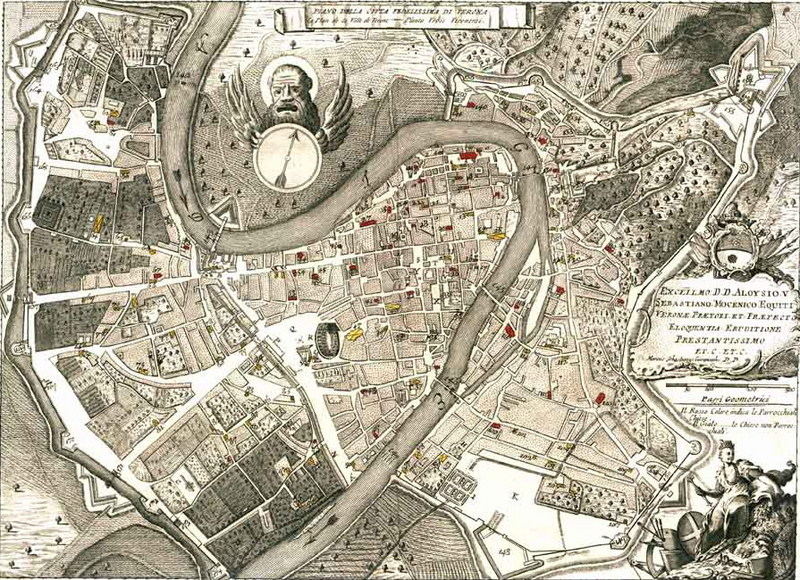
By Zoe Farrell | @zoeffarrell At first glance, a map is a simple entity. It is a tool through which towns and cities can be organised so that people can gain knowledge of places, roads, waterways and significant buildings. However, maps are often in fact complex objects of state building, propaganda and identity formation. J.…
-
Reorienting the Home Front: Spatial History and Collective Memory

By Clemency Hinton (@clemencyhinton) Does the past sometimes feel ‘far away’? Can we ever ‘go back’? And ‘where’ did we come from? These questions demonstrate that we often conceptualise and speak about history in spatial terms. That is, we describe the past as a place. History has famously been called a ‘foreign country’. Perhaps the…
-
The Grand (Archival) Tour

By Zoe Farrell (@zoeffarrell) One of the many advantages of being a historian who studies other countries is the ample opportunities for travel. My work focuses on artisans and material culture in sixteenth-century Verona, and I have therefore spent a lot of time in Veronese archives. However, I am also interested in how Renaissance culture travelled,…
-
Constructing an archive: a reflection on British Library collections
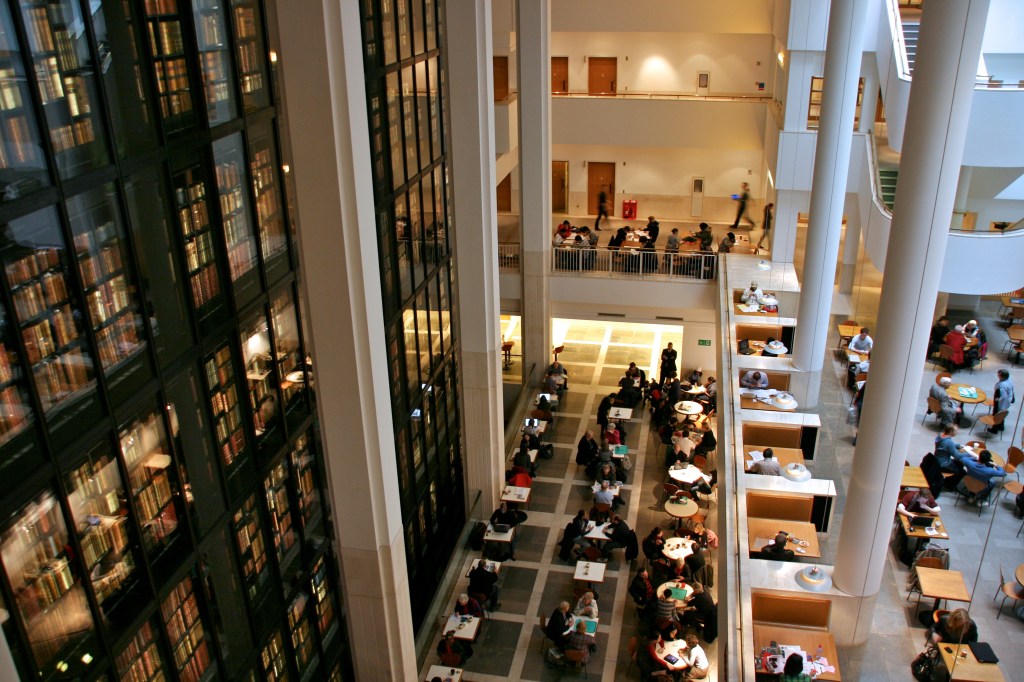
By Mobeen Hussain (@amhuss27) As historians, we are often used to thinking about an archive as a fixed set of documents kept in a static physical location. An appropriate historical source is often considered as such only if it can be verified by ‘real’ material from a ‘real’ archive.[1] Yet, archives mean different things to different researchers.…

 doinghistoryinpublic.org