-
Folk Wisdom and Slovak Winter Sayings

By Vanesa Djibrilova Every culture has its own wisdom summed up in catchy short phrases that are easy to remember. Sayings and proverbs are a form of practical and moral guidance, as cultures present their own understanding of the human experience, crystallised into idioms and folk sayings. Over time, I have been confronted by the…
-
‘St Patrick’s Well Lane’ and the Origins of St Patrick’s Day

-
Indian Independence 8,290 miles away: U.C. Berkeley and the Fight for Self-Rule
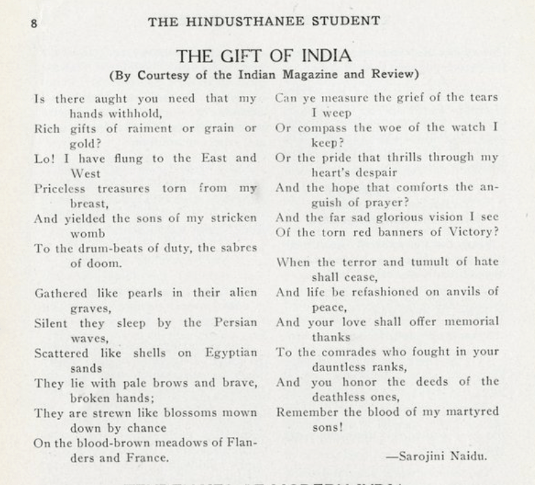
By Madhumitha Krishnan (@MadhumithaKris)[1] ‘…[India’s] teeming millions are dying of abject starvation, ever increasing famines and devastating epidemics. The present-day India needs readjustment and reconstruction socially, morally, and economically.’[2] So proclaimed Dr K. D. Shastri in his inaugural address at the 1915 International Hindustanee Student Convention in Chicago. Dr Shastri, a religious and social reformer, levied…
-
4. The History of Pantomime

By Zara Kesterton (@ZaraKesterton) In 1728, the English dancer and writer John Weaver published The History of the Mimes and Pantomimes. Weaver has been widely credited with introducing the pantomime to England – although his pantomime of the eighteenth century is not what we would recognise today. Audiences at a modern British pantomime expect a…
-
5. Medieval Murder Maps

By Stephanie Brown (@StephEmmaBrown) Upon finding a dead body in medieval England, you were required to raise the alarm to alert bystanders and the authorities. Once the coroner had been notified of a violent death, they summoned an investigative jury from the village or parish where the person had died and from the three neighbouring…

 doinghistoryinpublic.org