-
History on stage: Queen Anne

By Carys Brown @HistoryCarys For the first ten minutes of Helen Edmundson’s Queen Anne at the RSC’s Swan Theatre, I have to confess I was sceptical. The complex political intrigue of the reign of this little-known monarch (1702-1714) is fascinating, but impossible, I thought, to convey on stage in a mere two hours and thirty-five minutes.…
-
Theatre History: Out of the Archives and Onto the Stage
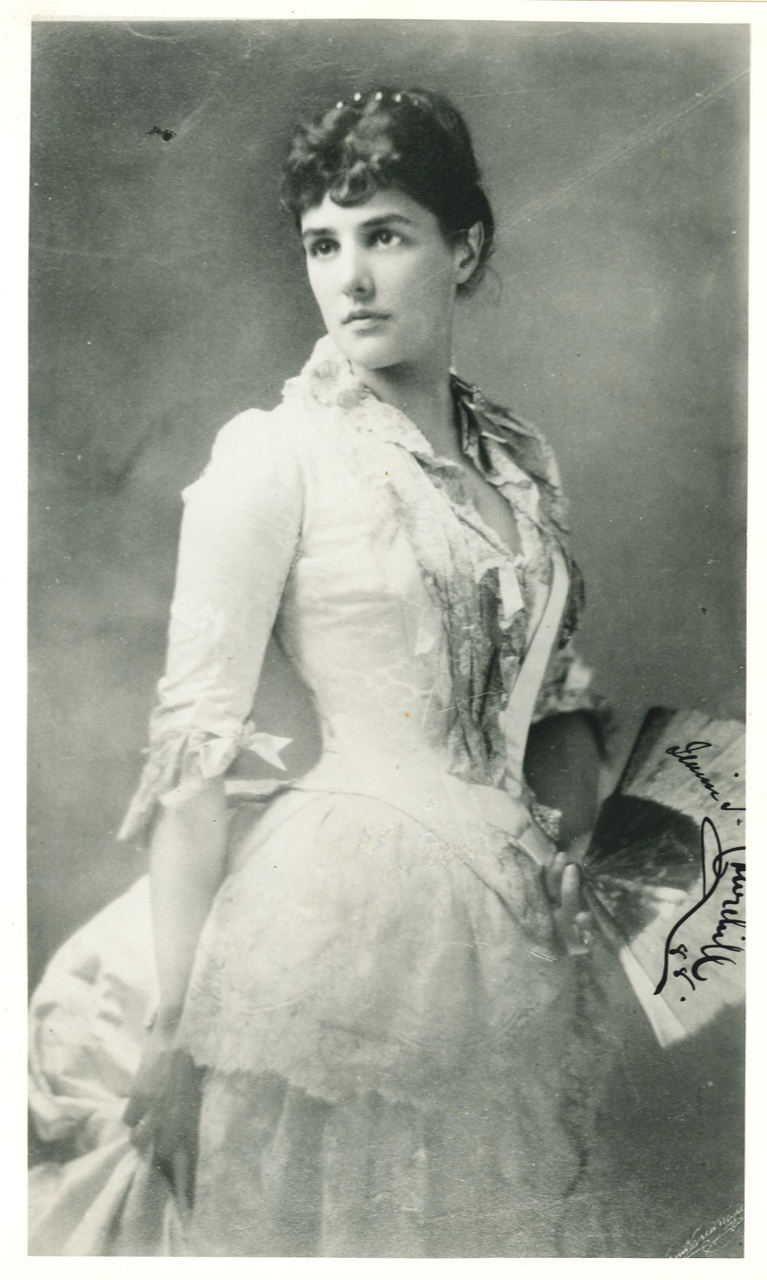
by Holly Dayton | hollyedayton@gmail.com Few people know that Lady Randolph Churchill, Winston’s American mother, was a playwright. If they happen to know of her, they only know her as the mother of Winston Churchill. Yet she wrote three plays over the course of her life: His Borrowed Plumes (1909), The Bill (1913), and Between the…
-
Staging History: Mary Stuart
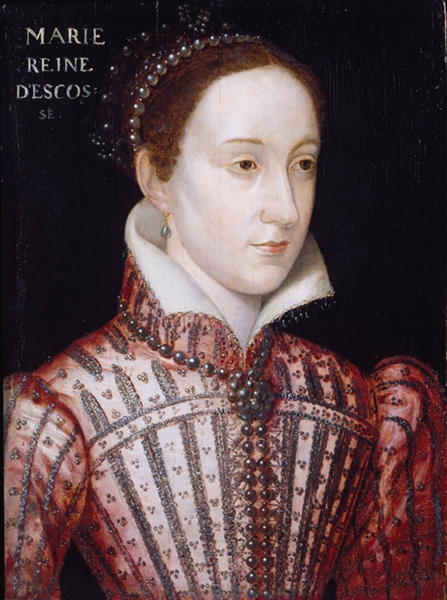
Harriet Lyon (@HarrietLyon) reviews Friedrich Schiller’s play Mary Stuart, adapted and directed by Robert Icke. What is history if not a series of contingencies? For every thing that happens, an infinite number of other possibilities are extinguished. But what if things had been different? Although writing history certainly involves a good dose of imagination, academic historians have…
-
‘Come From Away’: Can historical methodology and theatre co-exist?
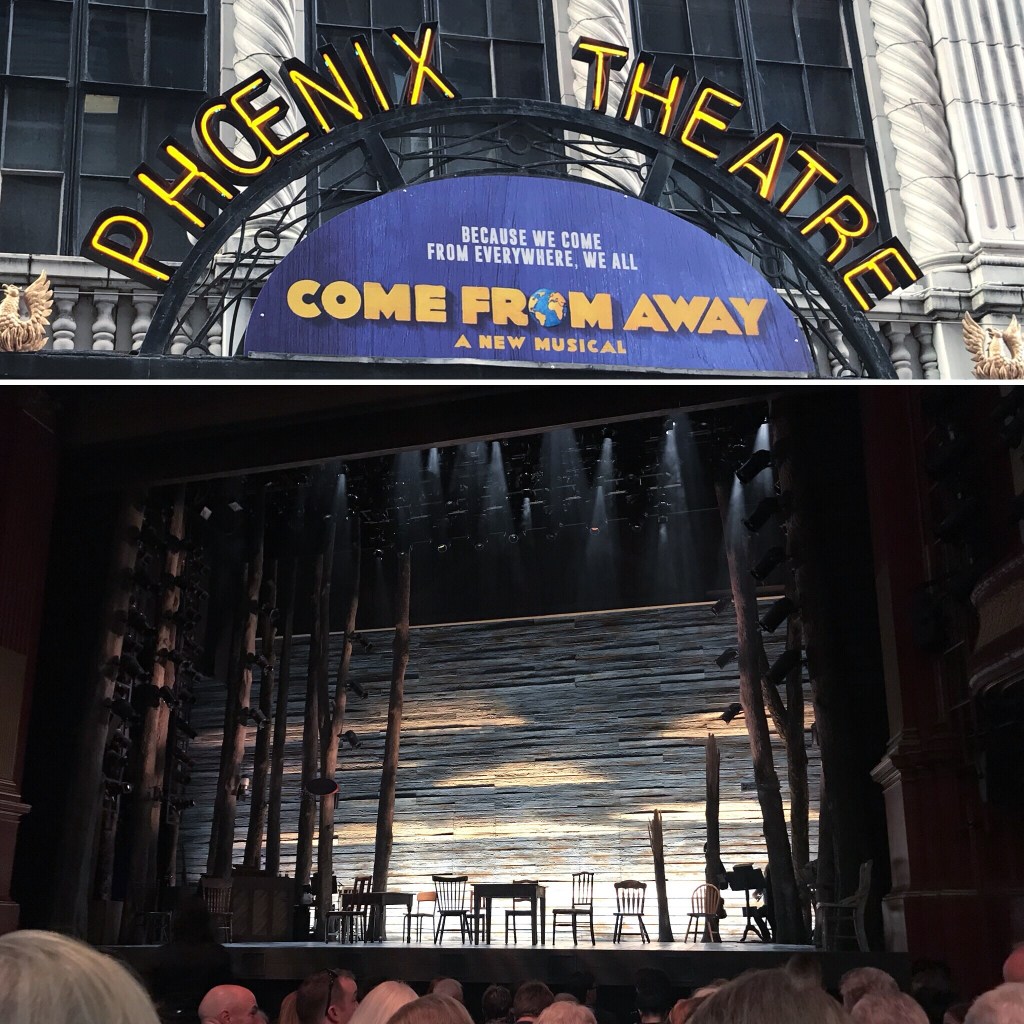
By Charlotte Coyne (@charlottecoyne_) Recently, there has been a rise in the number of musical theatre productions which choose to depict historical events. Many even delve into discussing historiography and the process of creating history as a major theme of the show. Most lauded among these is, of course, Hamilton: An American Musical, to which…
-
David Lyndsay’s Ane Satyre of the Thrie Estatis

By Kate McGregor (@ks_mcgregor) David Lyndsay is perhaps Scotland’s best, but least well known, poet and playwright.[1] Yet his work both reflects the vibrant culture of early modern Scotland and the deeply political ramifications drama could have during this period. One could imagine that the performance of a play written by Lyndsay was an eagerly…

 doinghistoryinpublic.org