-
Uncomfortable History: Modern Skull Collecting

By Jeremiah J. Garsha (@jjgarsha) It is comforting to think of the collecting of human heads as existing in the distant past. When visitors to the Pitt-Rivers Museum in Oxford marvel at the shrunken heads display, they do so under a combination of alterity and distancing. The process of shrinking the heads renders them distinguishable…
-
Fad or philosophy? The old debate over the consumption of animals

By Zoe Farrell (@zoeffarrell) Veganism seems to be the word of the moment. As we come to the end of ‘Veganuary’, it is estimated that a record-breaking number of individuals signed up to ditch meat and dairy for the month, with 14,000 people signing the pledge on 30th December 2018 alone.[1] As scientists are urging us to…
-
Collecting for Good Causes in Seventeenth-Century England

By Jacob F. Field (@jakeishistory) Charitable giving is an intrinsic part of contemporary British society. In 2017 the total amount given to charity in the United Kingdom was £10.3 billion, with the most popular causes being medical research, animal welfare, children or young people, hospitals and hospices, and overseas aid and disaster relief.[i] Early modern…
-
21. Gifts from The Queen, the End of a Diplomatic Career
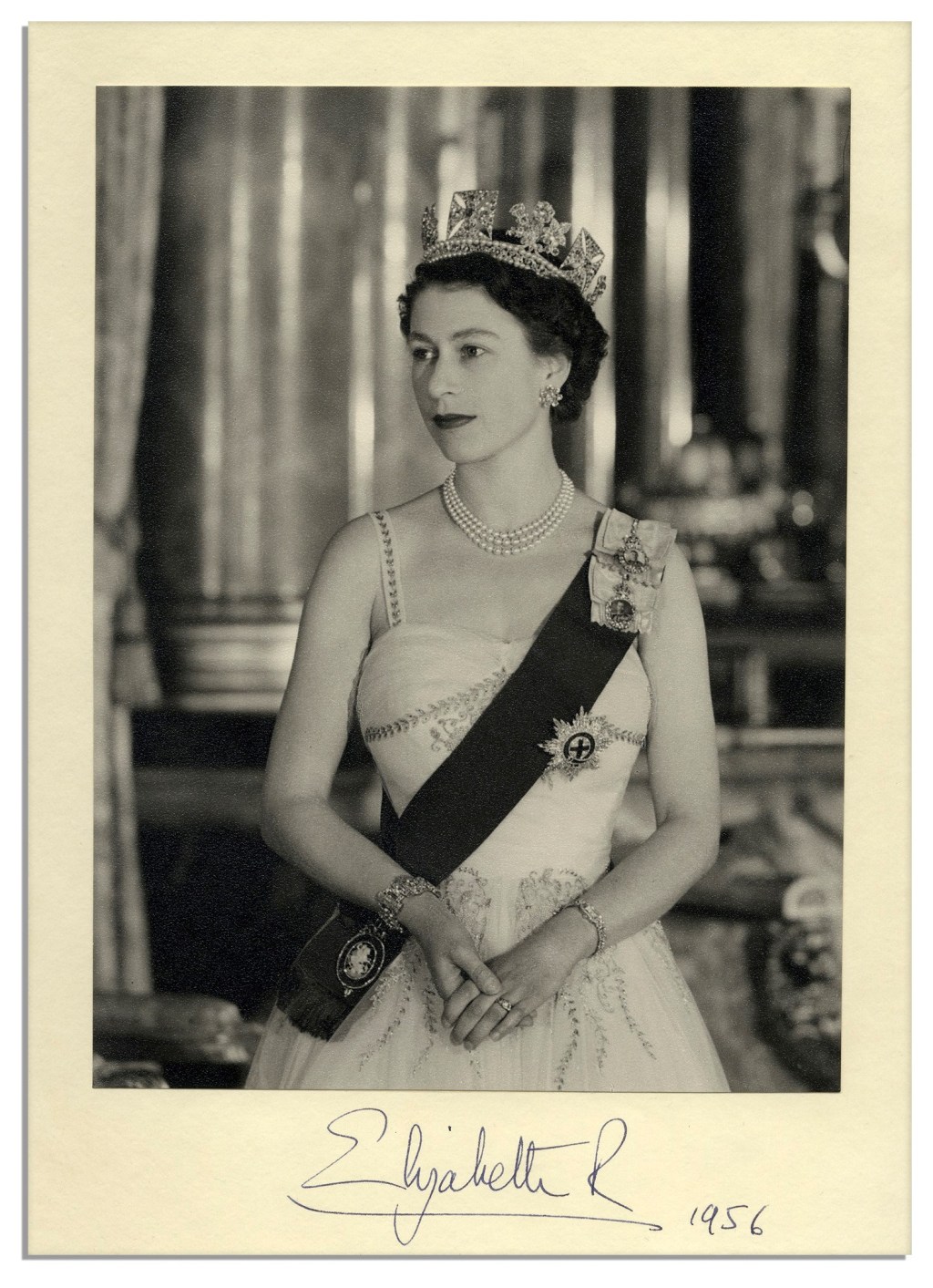
By Harry J. Mace (@harryjmace) The British Embassy in Stockholm, 1956: Jane Holliday was considering her resignation from the Diplomatic Service. Precipitated by her anger at the treatment of women and a burgeoning romantic relationship with a senior diplomat, Holliday felt it was time to work elsewhere. Having spent some time in Sweden as a…
-
22. Miss Merrifield’s Cricket Bat

By Georgia Oman In May 1876, Margaret Merrifield wrote a letter home to her mother from Newnham College, Cambridge, where she had arrived as a student the year before. The College itself had only been founded a few years earlier, in 1871, with five students living in a rented house in Regent Street, Cambridge. In…

 doinghistoryinpublic.org