-
Teaching Around Trauma: The Holocaust in Primary School Education
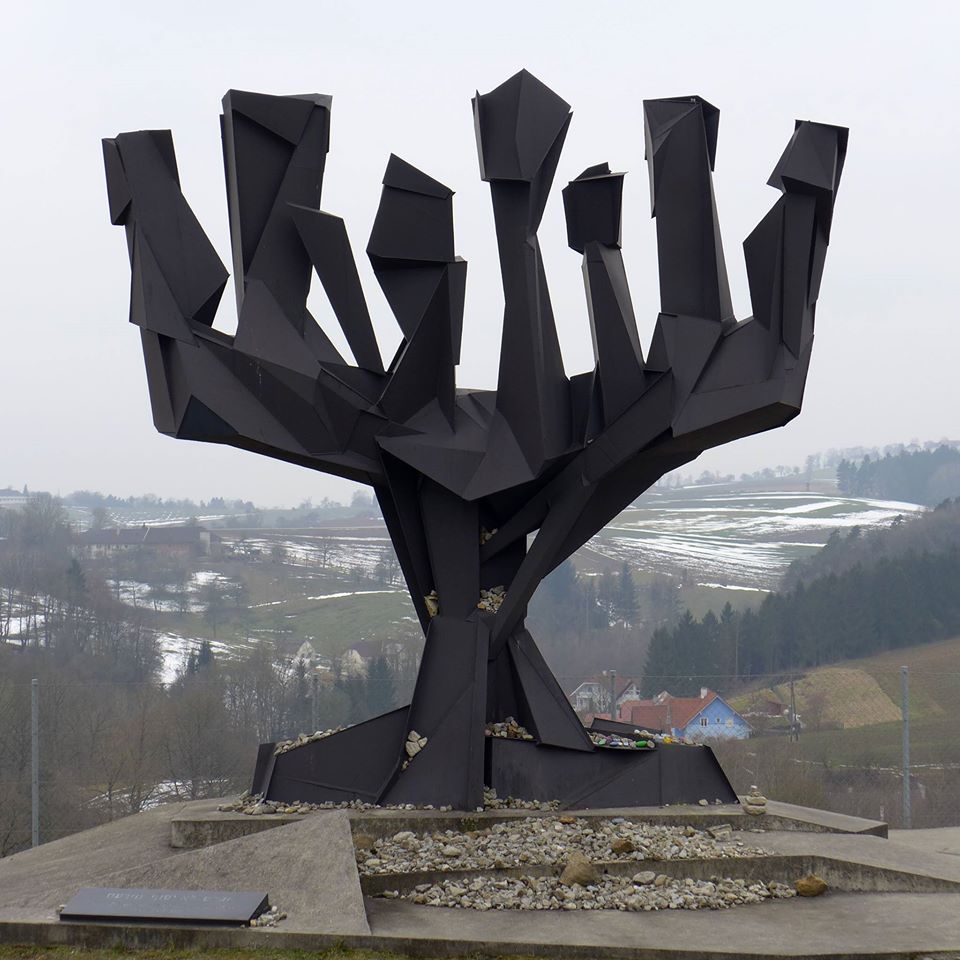
By Alex White (@alex_j_white) It’s a sunny day in rural England. A football team is practising on the field outside, a group of schoolchildren are queuing for lunch, and I am working as a teaching assistant as a class of nine-year-olds learn about the Holocaust for the first time. The room is quiet, and I…
-
The Cancellation of Christmas

Philippa Carter (@extispicium) In The accomplisht cook (1660), the English chef Robert May recommended to his readers a feast ‘to be used at Festival Times, as Twelfth Day [of Christmas]’. All the budding cook had to do, May explained, was to construct – in pastry – a castle, a ship laced with gunpowder, a wine-filled…
-
Tour de Force: A Selected History of Guided Tours

By Clemency Hinton (@clemencyhinton) Guided tours are part and parcel of today’s tourism industry. In fact, there are over 1,800 registered professional tour guides in the UK alone.[1] Tour guides (also known as rangers, couriers or interpreters) can be traced through history, leading one scholar to describe guiding as likely to be ‘among the world’s…
-
Victim Personal Statements: Are We Restoring a Wrong Right?
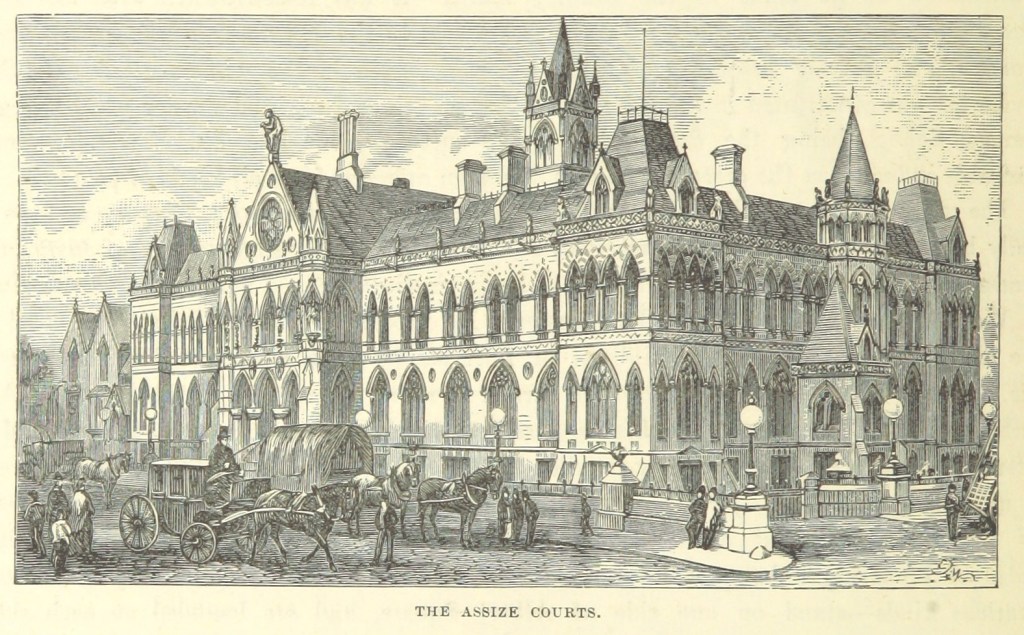
By Kevin Bendesky Beginning in the 1960s, the Victims’ Rights Movement had profound impacts on English law. One result, Victim Personal Statements (VPS), raised the important question of whether the victim should have the chance to say how the crime affected them. A VPS happens after the adjudication of guilt, but before the sentence is…
-
Suffrage, Arson, and the University of Bristol
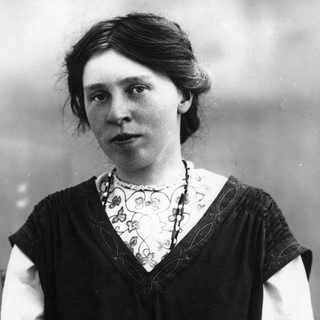
By Georgia Oman (@Georgia_Oman) Founded as University College, Bristol, in 1876, the awarding of a royal charter in 1909 allowed the University of Bristol to officially come in to being. In that time, the institution had earned a reputation as a trailblazer in the higher education of women. During the College’s first year, there were 69 women…

 doinghistoryinpublic.org