-
“Steel their Bodies and Minds” – How the Wandervogel reconciled nature with modernity

By Charlotte Alt Life in Germany at the turn of the twentieth century was an overwhelming experience. Modernity by then had arrived in full force: cities exploded with masses of people, and modern innovations like the telegraph and railway drastically changed the pace of everyday life. As urban spaces appeared increasingly overstimulating, people began to…
-
British Chineseness in the mind of Susie Wong

By Charmaine Au-Yeung It’s mid-March, and my eyes are glazing over he-said-she-said bickering between Home Office officials. Unfortunately, it’s all relevant to my dissertation – I study the Hong Kong Chinese diaspora and their emigration to Britain. I desperately need another coffee but cannot bring myself to buy one (it’s London). Stretching my limbs, I…
-
Private Rumours as a Public Sphere in Nazi-Occupied Poland

By Izabela Paszko (@IzabelaPaszko) It is commonly assumed that the public sphere is a specific kind of common ground for group discourse, confrontation of opinions and expression of one’s own views. The nature of this sphere as one made up of many voices and actors means that it carries the risk of false, unconfirmed and…
-
‘A Most Ignominious Thing’: Face-Paint and Cosmetics in Seventeenth-Century England
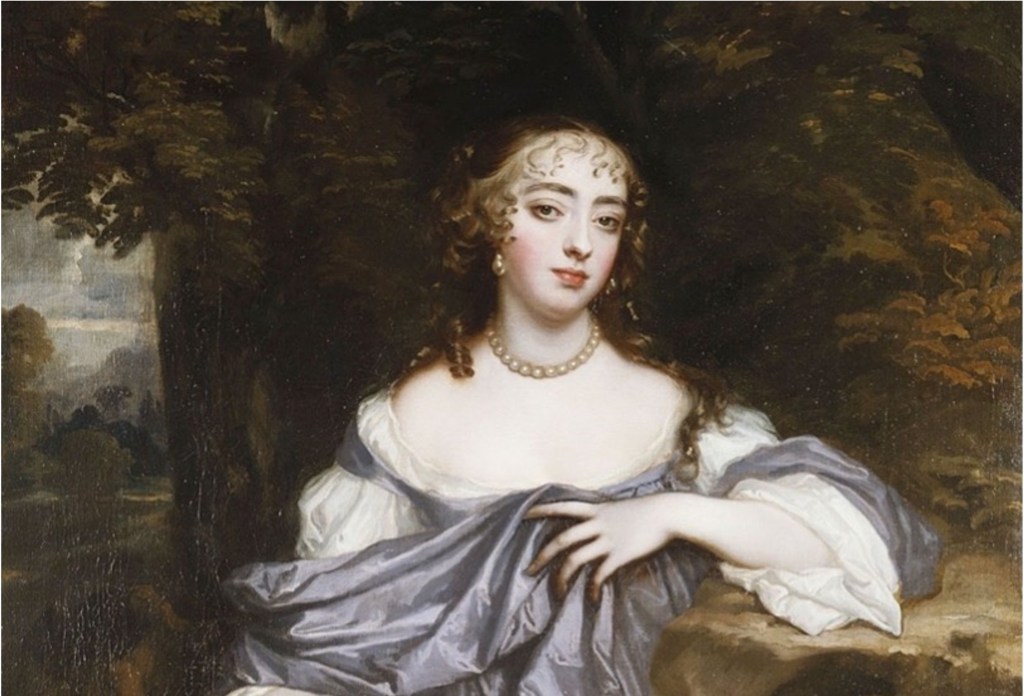
By Marlo Avidon, @MarloAvidon Today, when people hear the term ‘face-paint’, they typically envision children at street-fairs, or birthday party guests decorated as princesses, cats, or fairies. Yet, in seventeenth-century England, ‘painting the face’ was akin to modern make-up, with various pigments used to colour the face artificially and achieve the contemporary beauty standard of a…
-
The Unbearable Failure of Looking

By Ivana Dizdar (@ivana_dizdar) An Arctic seascape. A shipwreck. Polar bears devouring human flesh. This is the scene British artist Edwin Landseer depicts in his 1864 painting Man Proposes, God Disposes. The action takes place within a landscape of glaciers and ice: cold, hard, and jagged. The environment is inhospitable and threatening, just like the feast…

 doinghistoryinpublic.org