-
The It-Narrative as Material Culture Methodology: Practical Applications for Historians

By Kerry Love (@kerrymlove) A popular novel format in the eighteenth century was the ‘it-narrative,’ or ‘novel of circulation,’ whereby the story was told by an inanimate object, such as a coin, quill or a coach, or an animal such as a pet dog, in first person. Their treatment in literary studies has been covered…
-
Vampires, Ghosts, and Spirits on Santorini: The Affectivity of a Sulphuric Landscape

By Lavinia Gambini (@GambiniLavinia) Today known for its luxury tourism, high-end ‘destination weddings’, and romantic ‘Instagrammability’, Santorini was for seventeenth-century Westerners a ‘demonic’ island.[1] Early modern travellers to the Aegean encountered an unsettling landscape: they met a fragmented island torn into pieces by the many seismic and volcanic activities that had struck Santorini throughout…
-
Striking Gold in the Archive: Goldsmiths’ Hall
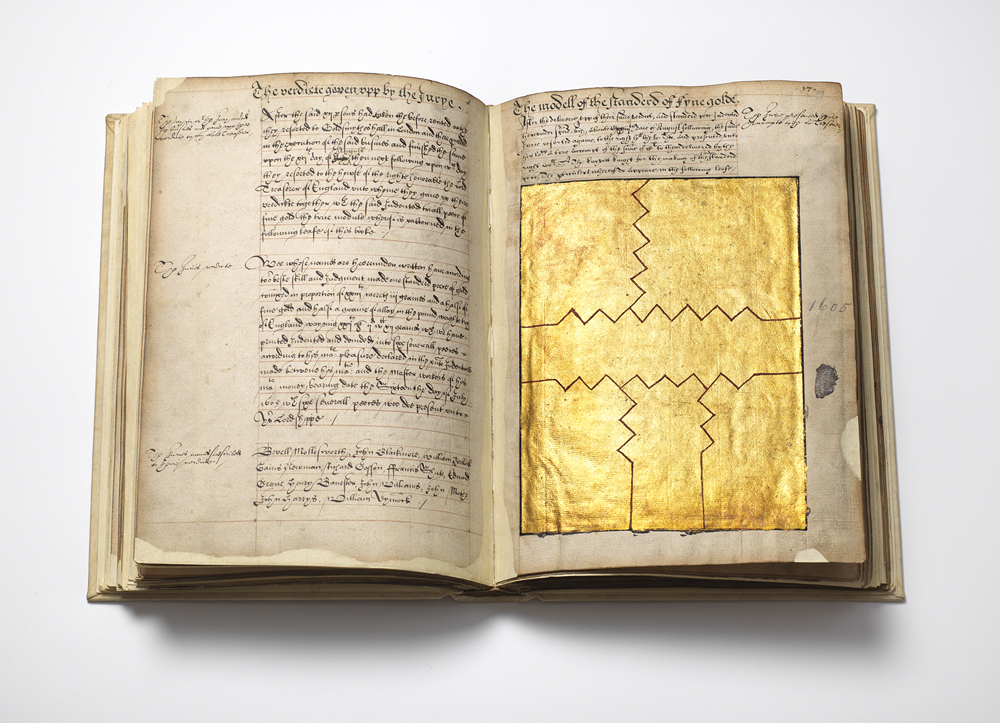
By Kirsty Wright (@BeingKirst) Perhaps ironically in a year when access to archives has been restricted, my research shifted direction to examine the materiality of early modern records and record-keeping. In the summer when I was able to return to The National Archives, I spent some time sifting through different boxes for relevant material and…
-
13. An Anatomical Atlas
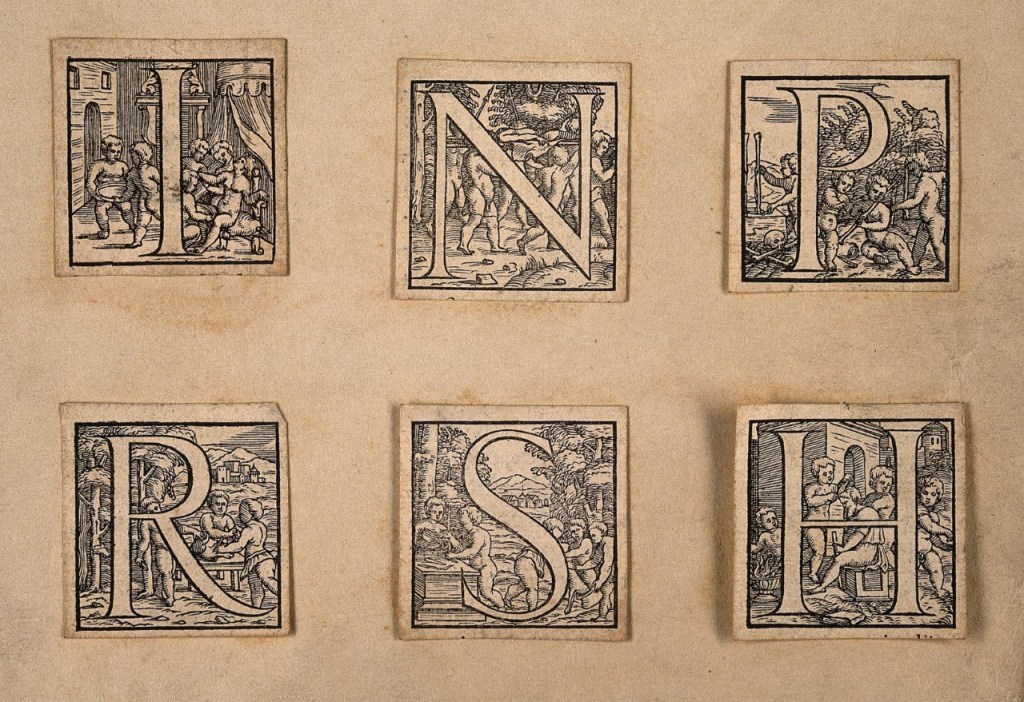
By Fiona Knight (@fionalillian_) Upon first glance, these decorated woodcut initials may appear quite charming, featuring little working cherubs. But upon closer inspection, it becomes clear that they’re engaging in something a bit more macabre – bloodletting, the assemblage of a skeleton, the transportation of a corpse and the dissection of one. This is because…
-
7. A Film Slide from the Cultural Revolution


 doinghistoryinpublic.org